
Introduction to Aquaponics
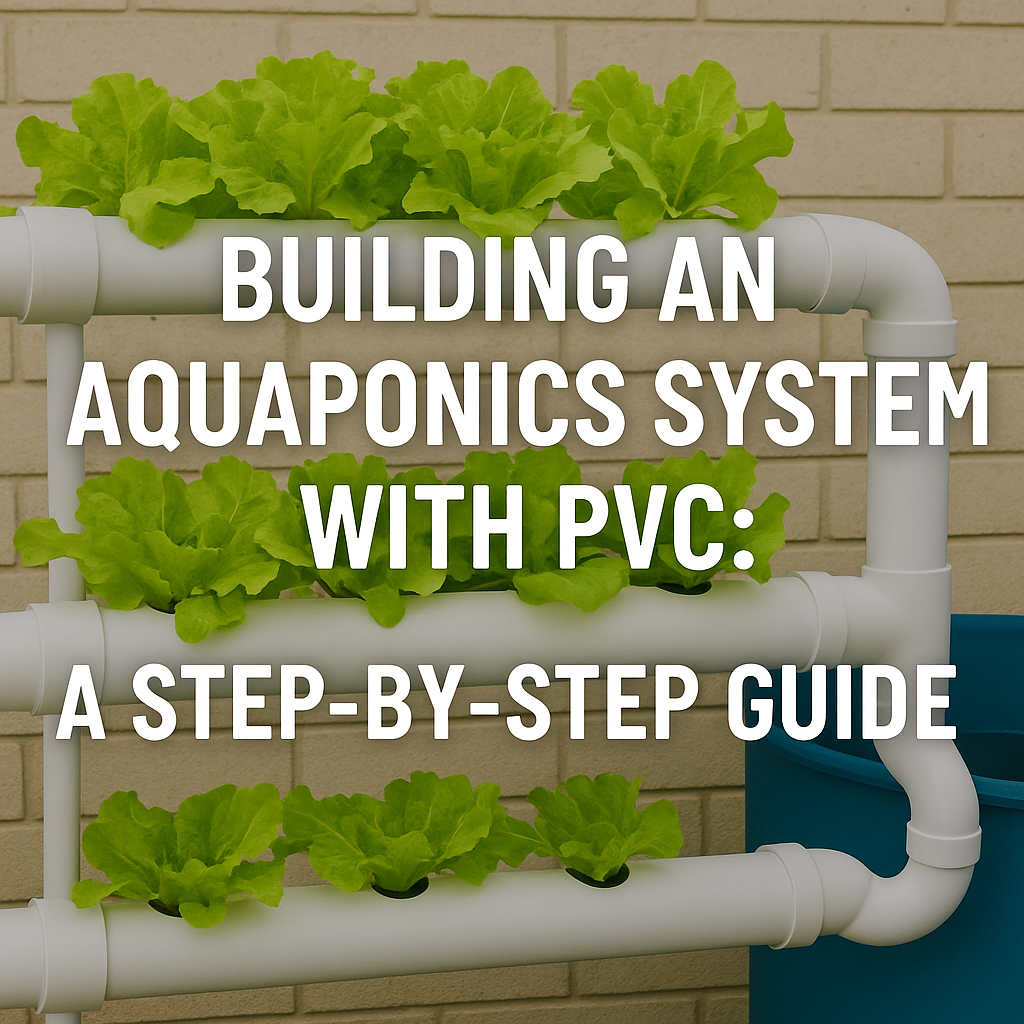
Aquaponics, a revolutionary method of farming, integrates aquaculture (raising fish) and hydroponics (growing plants in water without soil) in a symbiotic system. This ecological paradigm allows for sustainable food production by cycling water and nutrients between fish and plants. With the increasing global population, the need for innovative farming techniques is more pressing than ever. One of the most promising materials in building these systems is PVC, or polyvinyl chloride. In this article, we will delve deep into the fascinating world of aquaponics, focusing on how PVC can transform this agriculture model, answering common questions and highlighting its numerous benefits.
What Exactly is PVC, and Why Use It?
Understanding PVC
PVC, or polyvinyl chloride, is a type of plastic widely used in construction and plumbing. Its versatility, durability, and low cost make it an attractive choice for various applications, including building aquaponics systems. PVC is resistant to corrosion and can be manipulated easily, making it ideal for different configurations and frameworks in aquaponics setups.
Advantages of Using PVC in Aquaponics
-
Cost-Effectiveness: PVC is generally cheaper than other materials, significantly lowering the initial investment required to establish an aquaponics system.
-
Durability and Longevity: PVC can withstand environmental factors, such as moisture and UV rays, ensuring that your aquaponics setup remains operational for years to come.
-
Lightweight and Portable: This material allows for easier transportation and setup, crucial for those looking to create mobile or temporary systems.
-
Flexibility in Design: PVC pipes come in various sizes and can be cut and shaped according to individual needs, making it possible to create unique aquaponics designs tailored to specific spaces.
-
Easy Maintenance: PVC is easy to clean and maintain, which is essential in aquaponics to prevent disease and ensure optimal plant growth.
Building an Aquaponics System with PVC
How to Choose the Right PVC for Your Design
When designing an aquaponics system using PVC, consider the following factors while selecting your materials:
-
Diameter of Pipes: Depending on the type of fish and plants you intend to raise, choose appropriate pipe diameters. Larger pipes allow for more water movement, while smaller ones can save space.
-
Schedule Rating of PVC: PVC comes in different schedules, which dictate the thickness and pressure rating of the pipes. For aquaponics, Schedule 40 is often selected for its balance of strength and cost.
-
Non-Toxic Materials: Always ensure that the PVC you choose is safe for aquatic systems. Look for NSF-approved (National Sanitation Foundation) materials, indicating suitability for drinking water and aquaponics.
Essential Components of a PVC Aquaponics System
-
Fish Tank: This is where the aquatic animals will live. The tank size will depend on the type and number of fish you intend to raise.
-
Grow Beds: Using PVC pipes as grow beds allows for efficient water nutrients distribution. Nutrient film technique (NFT) or deep water culture (DWC) systems are often used.
-
Plumbing Supplies: Various connectors, elbows, tees, and valves help to configure the flow of water throughout the system efficiently.
-
Aeration Systems: Ensuring that the water has adequate oxygen levels is vital for both fish and plants. Aeration stones attached to PVC piping can help achieve this.
-
Water Pumps: Standard submersible pumps can be utilized to circulate water between fish tanks and plant beds.
Step-by-Step Guide to Building an Aquaponics System with PVC
-
Planning Your System: Determine the scale and design based on available space, desired fish species, and plant types. Sketch your layout to visualize the arrangement of tanks and grow beds.
-
Gathering Materials: Purchase high-quality PVC pipes and components. Don’t forget additional equipment like water pumps, aerators, and possibly a heater depending on your fish species.
-
Building the Framework: Construct a sturdy frame for your grow beds and fish tanks. PVC pipes can be used to make a secure structure to support the grow beds.
-
Setting Up the Fish Tank: Install the fish tank at the bottom or lower level of your system to facilitate gravity-assisted water movement.
-
Creating the Grow Bed: Cut the PVC pipes to the desired lengths for the grow beds. Drill small holes for water to flow in from the fish tank, ensuring that the water is well-distributed.
-
Installing the Plumbing: Connect all components using PVC glue and fittings. Ensure that all connections are watertight to prevent leaks.
-
Setting Up Aeration: Aeration stones can be easily incorporated into your system. Add them to the fish tank and connect them to PVC tubing for oxygenation.
-
Testing the System: With everything set up, fill the system with water and check for leaks. Test the water levels and ensure proper circulation through the grow beds.
-
Introducing Fish and Plants: Once the system is stabilized, introduce your fish and plants. Monitor the system regularly as they establish themselves.
Frequently Asked Questions about PVC Aquaponics
What Types of Fish are Best for PVC Aquaponics Systems?
The type of fish you choose will depend on your climate, local regulations, and personal preference. Popular choices include:
- Tilapia: Fast-growing and hardy, they thrive in various conditions.
- Catfish: They adapt well to aquaponics and have a high market demand.
- Trout: Require cooler water but are a viable option if you live in suitable areas.
What Plants Thrive Best in PVC Aquaponics?
Generally, leafy greens and herbs do exceptionally well in aquaponics systems:
- Lettuce: Grows rapidly and doesn’t require much space.
- Basil: One of the more popular herbs that can enhance the flavor of dishes.
- Kale: Nutrient-rich and highly adaptable to different systems.
How Do I Ensure a Balanced Ecosystem?
Maintaining balance is crucial in aquaponics systems. Regularly monitor water parameters such as pH, ammonia, nitrite, and nitrate levels. Additionally, a good variety of fish and plants will help sustain a healthy ecosystem. Regular feedings for fish will also provide necessary nutrients for plants.
Is There Any Special Maintenance for PVC Aquaponics Systems?
Regular maintenance involves checking for leaks, cleaning filters, and ensuring that the water pump and aeration systems are functioning adequately. Periodically check the growth of vegetation and the overall health of the fish.
Can PVC Aquaponics Systems be Scaled?
Absolutely! PVC aquaponics systems can be very flexible and are easily scalable, allowing you to start small and progressively increase the size of your operation as you gain experience.
What Are the Environmental Impacts of Using PVC?
While PVC has many benefits, it is essential to consider its environmental footprint. When properly managed, PVC is durable and reduces waste associated with short-lived materials. Additionally, aquaponics helps reduce water usage compared to traditional farming practices, making it a more sustainable option.
The Future of PVC Aquaponics: Innovations on the Horizon
As technology and research into aquaponics continue to evolve, new methods and materials are being developed to increase efficiency and feasibility. Innovations in PVC technology can maximize airflow within the system and improve plant yield, potentially reducing energy costs.
Integrating Technology into PVC Aquaponics
-
Smart Sensors: The introduction of IoT (Internet of Things) technology can transform aquaponics by automating parameters such as pH levels, temperature, and nutrient balance.
-
LED Grow Lights: Efficient lighting technology can enhance plant growth in indoor environments, utilizing PVC systems to manage both light and water flow better.
-
Mobile Applications: Farming enthusiasts can use apps to track their fish and plant performance, ensuring optimal health.
Conclusion: Embracing the Future of Sustainable Agriculture
Aquaponics using PVC presents a remarkable blend of innovation and sustainability. As we navigate the complexities of climate change, resource depletion, and food security, this farming method can become a cornerstone of our agricultural future. By harnessing PVC’s accessibility and adaptability, urban farmers and homesteaders alike can create productive and sustainable food systems.
In summary, aquaponics with PVC not only optimizes space and resources but also offers an enjoyable way to connect with nature and exercise creativity in farming. Whether you’re a novice gardener or an experienced farmer, PVC aquaponics presents opportunities for education, expansion, and nourishment. As we cultivate our understanding of these systems, we can contribute positively to the world and forge a path toward a healthier planet.
Additional Resources
To explore more about aquaponics and PVC, consider checking out community blogs, forums, and academic research papers. Educational institutions increasingly offer courses in urban agriculture and aquaponics, providing further avenues for learning and engagement.
By embarking on the journey of aquaponics with PVC, you are not just nurturing plants and fish but also engaging in a movement aimed at the future sustainability of our food systems. Happy Farming!