
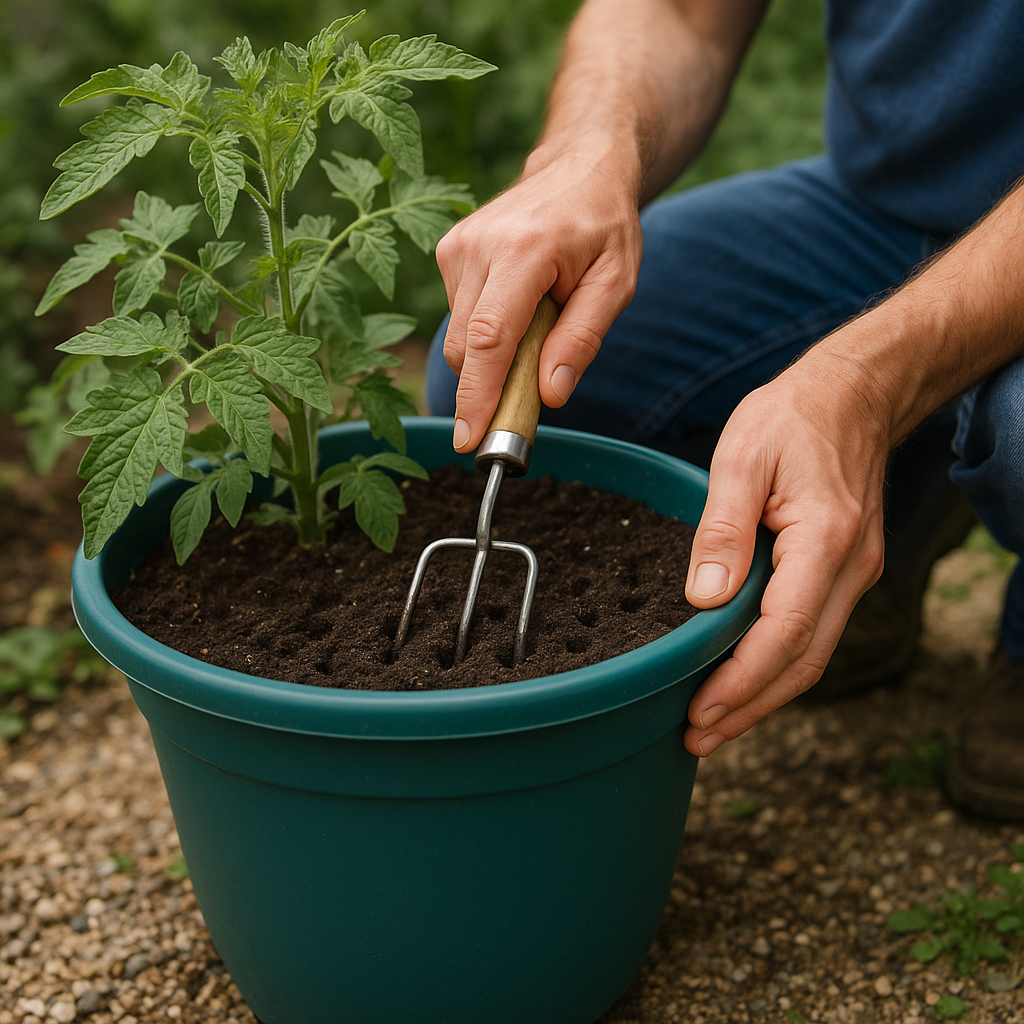
Container gardening has soared in popularity over recent years, driven by the need for space-efficient gardening solutions that cater to urban dwellers and those with limited gardening patches. While container gardening provides the flexibility to grow plants almost anywhere—from patios to balconies—it also brings unique challenges. One of these is aeration, a key component in ensuring healthy plant growth. In this comprehensive article, we will explore container garden aeration, discussing its importance, methods, and answering common questions in a way that can help both novice and experienced gardeners achieve lush, vibrant containers.
What is Aeration?
Aeration refers to the process of introducing air into the soil. This is essential for healthy plant growth because it allows oxygen to reach the plant roots and promotes gas exchange. In a natural environment, soil is aerated by the activity of earthworms, other organisms, and natural phenomena like wind and rain. However, in container gardening, the compacted nature of the soil and limited volume can restrict airflow significantly, leading to poor plant growth, root rot, and other problems.
Why is Aeration Important for Container Gardens?
-
Promotes Root Health: Plants require oxygen for root respiration. Without adequate oxygen, roots can suffocate, leading to poor growth, wilting, and even death.
-
Enhances Nutrient Uptake: Aerated soil enables better movement of nutrients in the soil solution, making it easier for plants to absorb essential minerals.
-
Improves Drainage: Aeration helps prevent soil compaction and pooling, reducing the risk of waterlogged roots and related diseases.
-
Encourages Beneficial Microorganisms: Healthy aerated soil fosters a thriving ecosystem of beneficial bacteria and fungi, which play a crucial role in nutrient cycling and soil health.
-
Prevents Soil Compaction: Over time, soil in containers can settle and become compacted, hindering root development and water infiltration. Regular aeration helps combat this issue.
Common Questions and Answers about Container Garden Aeration
1. How Do I Know If My Container Soil Needs Aeration?
Signs that your container garden soil might need aeration include:
- Water pooling: If you notice that water does not drain quickly after watering, this could indicate compaction.
- Slow plant growth: Stunted growth or yellowing leaves might suggest that roots are not getting enough oxygen.
- Root rot: Foul odors and mushy roots when you remove a plant are indicators of waterlogging due to poor aeration.
- Poor nutrient uptake: If your plants are not thriving despite fertilization, aeration might be needed.
2. What Are the Best Methods for Aerating Container Garden Soil?
There are multiple effective methods for aerating container garden soil:
a. Physical Aeration
-
Using a Garden Fork: Insert a garden fork into the soil at various angles, turning it gently. This method creates small holes that improve airflow but be careful not to disturb the roots too much.
-
Soil Aerator Tool: A specialized tool with hollow tines can be pushed into the soil to remove small plugs of compacted soil, leaving air pockets that promote aeration.
-
Drilling Holes: For larger containers, consider drilling extra holes around the sides to improve drainage and aeration. Ensure that the container can handle this without compromising its integrity.
b. Natural Soil Amendments
-
Perlite and Vermiculite: Mixing perlite or vermiculite into your potting mix increases drainage and aeration. These materials create space in the soil, allowing for better airflow.
-
Coconut Coir: This organic amendment makes for a light, well-aerated growing medium, retaining moisture while allowing oxygen to reach plant roots.
-
Peat Moss: While it retains moisture well, adding peat moss can also enhance aeration when used in moderation.
c. Watering Techniques
-
Bottom Watering: Placing containers in shallow trays of water allows for gradual absorption. This reduces soil compaction caused by heavy watering from above.
-
Misting: Misting the foliage can help increase humidity without soaking the soil, thereby reducing compaction.
-
Avoid Over-Watering: It’s essential to allow the soil to dry out slightly between waterings to prevent compaction and maintain good aeration.
3. How Often Should I Aerate My Container Gardens?
The frequency of aeration largely depends on several factors:
- Type of plants: Fast-growing plants tend to require more frequent aeration than slow-growing varieties.
- Container size: Larger containers may need aeration less frequently than smaller ones due to the greater volume of soil.
- Environmental factors: Hotter climates can cause soil to dry out and compact more quickly, necessitating more regular aeration.
4. Can I Use Indoor Plants in My Container Garden?
Absolutely! Indoor plants can thrive in container gardens, but you need to ensure proper aeration to replicate their natural environment conditions. Many indoor plants require well-draining, aerated soil to prevent root rot and ensure healthy growth.
5. Does Aeration Affect Container Garden Design?
Yes! When planning your container garden, consider the plants’ aeration needs alongside aesthetic preferences. Grouping plants with similar aeration requirements can help you manage watering and aeration more effectively.
6. What are the Consequences of Poor Aeration in Container Gardens?
Poor aeration leads to a host of problems, including:
- Root Rot: Waterlogged soil promotes fungal growth that can destroy roots.
- Nutrient Deficiencies: Plants starve when they cannot access vital nutrients present in compacted soil.
- Pest Infestations: Stressed plants can become more susceptible to pests and diseases.
- Reduced Yields: Poor plant health leads to fewer flowers or fruits, impacting your harvest.
7. Are There Specific Plants That Benefit More from Aeration?
Certain plants thrive with good aeration:
- Root Vegetables: Carrots, radishes, and potatoes require loose soil with good aeration for the development of healthy roots.
- Herbs: Basil, parsley, and cilantro grow best in well-aerated soil, which promotes robust root structures.
- Succulents: These plants are particularly sensitive to overwatering, making aerated soil essential for their health.
Practical Tips for Maintaining Aeration in Your Containers
1. Regular Monitoring
Keep an eye on your plants’ health, and regularly check soil moisture levels. Test your soil for compactness by inserting your finger about an inch deep. If it feels dense and compacted, it’s time to aerate.
2. Rotate Your Containers
If possible, periodically rotate your containers to expose different sides to sunlight and wind. This can naturally help with soil aeration.
3. Use a Quality Potting Mix
Invest in high-quality potting soil designed for container gardening. Many commercial potting soils contain ingredients that help with aeration, such as perlite and coconut coir.
4. Encourage Beneficial Microorganisms
Adding compost or well-rotted manure to your soil can introduce beneficial microbes that help aerate the soil naturally by breaking down organic matter.
5. Practice Companion Planting
Companion planting can aid aeration; planting deep-rooted plants alongside shallow-rooted ones can help create spaces in the soil that enhance air circulation.
6. Be Mindful of Container Materials
Choose containers made from breathable materials like terracotta or fabric (such as Smart Pots), which allow moisture to evaporate and promote airflow around the roots.
Conclusion
Aeration is a vital component of successful container gardening. By understanding the principles of aeration and implementing simple methods to maintain it, you can enhance your plants’ health and optimize your garden’s yields. Whether through physical aeration techniques, amendments to your soil, or simply being mindful of watering practices, taking the time to ensure good soil aeration will pay off in lush, vibrant plants.
By adopting these strategies, you’re investing in better plant growth, a healthier garden, and a rewarding gardening experience. With patience and care, even the simplest container gardens can flourish beautifully!