
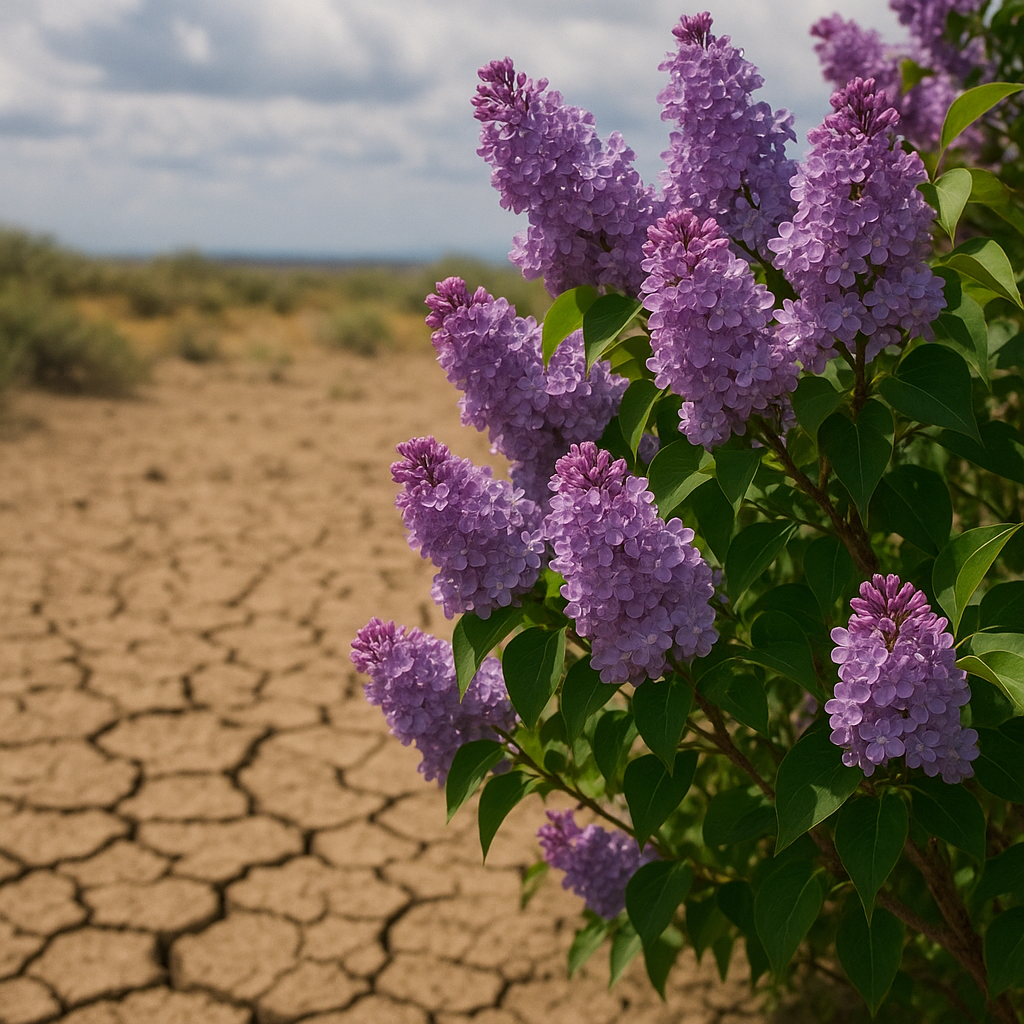
Lilacs evoke a sense of nostalgia, with their enchanting fragrance and striking blooms that herald the arrival of spring. These beloved shrubs have graced gardens and landscapes for generations. However, as we face the ongoing challenges of climate change and shifting weather patterns, the question arises: Are lilacs drought tolerant? In this detailed examination, we will explore the drought resilience of lilacs, their growing conditions, and practical gardening tips for those looking to cultivate these beautiful shrubs in a drier climate.
Table of Contents
-
Introduction to Lilacs
- 1.1 The Botanical Background
- 1.2 Varieties of Lilacs
-
Understanding Drought Tolerance
- 2.1 What Is Drought Tolerance?
- 2.2 Factors Affecting Drought Resilience
-
Are Lilacs Drought Tolerant?
- 3.1 Water Requirements of Lilacs
- 3.2 Growing Conditions for Optimal Drought Recovery
-
Landscape and Environmental Benefits
- 4.1 Lilacs and Pollinator Support
- 4.2 Erosion Control and Soil Improvement
-
Practical Tips for Growing Drought-Tolerant Lilacs
- 5.1 Choosing the Right Location
- 5.2 Soil Preparation and Mulching
- 5.3 Watering Practices
- 5.4 Pest and Disease Management
-
Conclusion
- 6.1 The Future of Lilacs in a Changing Climate
1. Introduction to Lilacs
1.1 The Botanical Background
Lilacs belong primarily to the genus Syringa, which comprises around 20 species of flowering woody plants native to Europe and Asia. They are known for their heart-shaped leaves and clusters of tubular flowers that bloom in a spectrum of colors, predominantly purple, white, and pink. With a rich cultural history, lilacs have been featured in art, literature, and even medicine, often symbolizing renewal and the arrival of spring.
1.2 Varieties of Lilacs
Common lilac (Syringa vulgaris) is perhaps the most recognized species, but numerous cultivars exist, each with unique characteristics. Other popular varieties include:
- Japanese Lilac (Syringa reticulata): Noted for its creamy white flowers and compact form.
- Dwarf Korean Lilac (Syringa meyeri): Ideal for smaller gardens, known for its fragrant blossoms and compact size.
- Miss Kim Lilac (Syringa patula ‘Miss Kim’): A hardy cultivar with lovely lavender flowers and a delightful scent.
These varied species often exhibit differing levels of drought tolerance, making it essential for gardeners to choose wisely.
2. Understanding Drought Tolerance
2.1 What Is Drought Tolerance?
Drought tolerance refers to a plant’s ability to withstand prolonged periods of dry conditions without suffering significant stress or damage. This capability is influenced by several factors, including root structure, leaf anatomy, and physiological adaptations.
2.2 Factors Affecting Drought Resilience
Several factors contribute to a plant’s drought tolerance:
- Root Depth: Deeper roots enable plants to access moisture from lower soil layers.
- Leaf Structure: Plants with smaller or thicker leaves often lose water more slowly.
- Growth Habits: Perennial plants may endure drought conditions better than annuals due to their deeper root systems.
3. Are Lilacs Drought Tolerant?
3.1 Water Requirements of Lilacs
Lilacs are relatively low-maintenance shrubs; they generally prefer well-draining soil and can thrive in a variety of conditions. However, they do have specific water requirements primarily during their initial establishment phase. Young lilac plants need consistent moisture to adapt and develop their root systems. Once established (typically after 2-3 years), they become more resilient to drought conditions.
3.2 Growing Conditions for Optimal Drought Recovery
While lilacs can tolerate short periods of drought, they require a good amount of moisture to bloom prolifically and maintain vibrant foliage. Ideal growing conditions for drought resilience include:
- Soil Type: Sandy or loamy soils provide better drainage, helping prevent root rot during overly wet periods while still retaining some moisture.
- Mulching: Organic mulch helps retain soil moisture and regulates temperature. It also suppresses weed growth that competes for water and nutrients.
- Sunlight: Lilacs thrive in full sun, which not only encourages blooming but also aids in reducing disease incidence.
4. Landscape and Environmental Benefits
4.1 Lilacs and Pollinator Support
Lilacs play a crucial role in supporting pollinators. Their nectar-rich flowers are a significant food source for bees, butterflies, and hummingbirds. Planting lilacs in your garden diversifies the landscape, promoting biodiversity and enhancing the ecosystem.
4.2 Erosion Control and Soil Improvement
Lilacs are robust plants capable of stabilizing soil and preventing erosion. Their root systems enhance soil structure, promoting aeration and water infiltration. This characteristic is beneficial in drought-prone areas, where retaining moisture in the soil becomes imperative.
5. Practical Tips for Growing Drought-Tolerant Lilacs
Aspiring gardeners should follow certain best practices to cultivate healthy lilacs that can withstand dry conditions.
5.1 Choosing the Right Location
Selecting an appropriate site is crucial for the success of lilacs. Here are some factors to consider:
- Sun Exposure: Aim for a location that receives at least 6-8 hours of direct sunlight each day.
- Drainage: Avoid areas with standing water or poor drainage, as lilacs are susceptible to root rot.
- Air Circulation: Planting lilacs in an area with good air circulation helps prevent fungal diseases.
5.2 Soil Preparation and Mulching
Soil plays a significant role in regulating moisture levels. Here’s how to prepare your soil:
- Testing: Conduct a soil test to determine pH and nutrient levels. Lilacs prefer a pH between 6.0 and 7.0.
- Amending: Amend heavy clay soils with organic matter to improve drainage and water retention.
- Mulching: Apply a 2-3 inch layer of organic mulch around the base of the lilacs to conserve moisture and regulate soil temperature.
5.3 Watering Practices
Proper watering practices can significantly enhance drought tolerance:
- Deep Watering: Water deeply but infrequently. This encourages deep root growth.
- Establishment Phase: During the first two years, provide additional water during dry spells to help the plants establish.
- Monitoring: Regularly check soil moisture by digging a few inches into the soil; if it feels dry at that depth, it’s time to water.
5.4 Pest and Disease Management
Maintaining plant health is crucial for drought resilience. Here are some tips:
- Regular Inspections: Check for common pests like aphids, scale, and spider mites. Early intervention can prevent infestations.
- Pruning: Remove dead or diseased wood to improve air circulation and reduce disease incidence.
- Fungicide Treatment: If fungal diseases like powdery mildew appear, consider applying fungicides approved for lilacs, specifically during periods of high humidity.
6. Conclusion
6.1 The Future of Lilacs in a Changing Climate
As water scarcity becomes increasingly common, the need for drought-tolerant plants is more pressing than ever. Lilacs, with their moderate drought resilience and enchanting beauty, can be a viable option for sustainable gardening practices. By following sound gardening techniques, not only can we preserve the lush blooms we adore, but we can also contribute positively to our ecosystems.
In summary, while lilacs do require water, particularly during their establishment phase, they show remarkable drought tolerance once fully rooted. Their adaptability makes them an excellent choice for gardeners aiming to balance beauty with responsible water management practices. As we shift our focus towards sustainable gardening, lilacs can continue to thrive and bring joy to our landscapes, even in times of drought.