
Aquaponics, a system that combines aquaculture (raising fish) with hydroponics (growing plants in nutrient-rich water), is gaining popularity as a sustainable and efficient method of food production. As issues surrounding food security, environmental sustainability, and nutrition come to the forefront of global concerns, aquaponics offers a promising solution. However, like any agricultural method, it has its advantages and drawbacks. This article aims to provide a detailed exploration of the pros and cons of aquaponics while addressing common questions surrounding the topic.
What is Aquaponics?
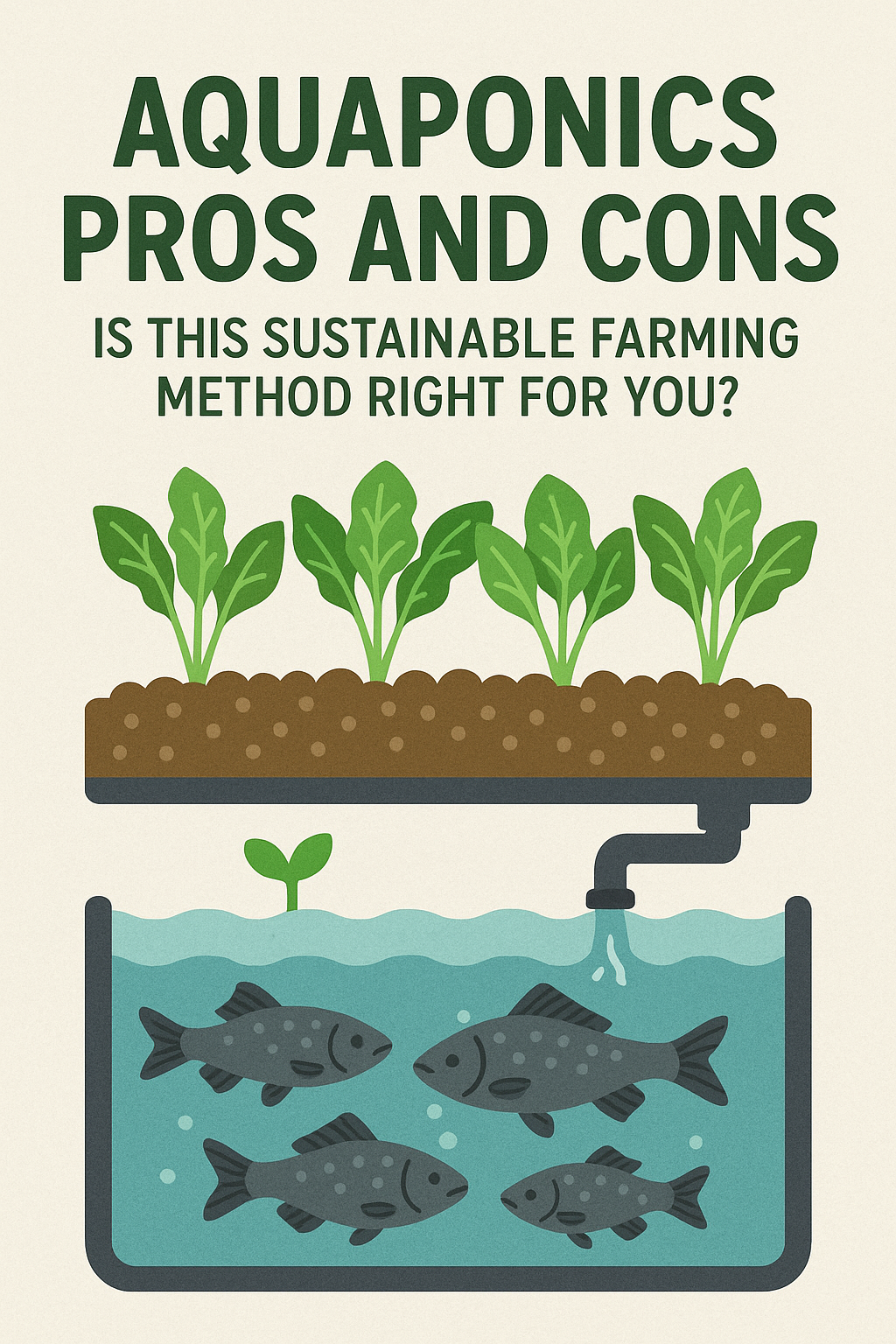
Before delving into the pros and cons of aquaponics, it’s essential to define what it is. Aquaponics is a symbiotic system where fish waste provides organic nutrients for plants, and in return, plants help filter and purify the water for the fish. This closed-loop system can be set up in a variety of formats, from small home setups to large commercial operations.
How Does Aquaponics Work?
The fundamental components of an aquaponics system are:
- Fish Tanks: Fish, typically tilapia, goldfish, or catfish, are raised in tanks, generating waste that contains ammonia.
- Biofilter: Beneficial bacteria convert ammonia into nitrites and then into nitrates, which are essential nutrients for plant growth.
- Growing Beds: The plants are grown in media beds, where their roots are submerged in nutrient-rich water. As the plants absorb nutrients, they also filter the water, which is then returned to the fish tanks.
This circulating water system not only maximizes water efficiency but also eliminates the need for chemical fertilizers, as the nutrient cycle naturally sustains both fish and plants.
Pros of Aquaponics
1. Environmental Sustainability
One of the most significant advantages of aquaponics is its reduced environmental impact compared to traditional farming practices.
Water Conservation
Aquaponics requires up to 90% less water than conventional agriculture. In a traditional soil-based farm, water can evaporate or run off, leading to wastage. In contrast, aquaponics systems recirculate water, making them ideal for regions facing water scarcity.
Reduced Chemical Use
Aquaponics eliminates the need for synthetic fertilizers and pesticides, as the ecosystem naturally balances itself. This reduces the risk of chemical runoff that can contaminate groundwater and harm aquatic ecosystems.
Space Efficiency
Aquaponics can be set up in various locations, including urban areas where land is scarce. Vertical farming and rooftop gardens further enhance space efficiency, allowing for food production closer to consumers.
2. Nutrient-Rich Produce
Plants grown in aquaponic systems tend to be rich in nutrients:
Organic Growth
The absence of chemical fertilizers means that the produce is organic and healthier. Moreover, many community supported agriculture (CSA) programs and farmers’ markets prioritize locally grown organic produce.
Freshness and Flavor
Since aquaponics systems can be placed near consumers, this allows for the distribution of fresher, tastier produce. The ability to harvest just-in-time for local sales reduces transport time and carbon footprint.
3. Increased Crop and Fish Yield
Aquaponics can yield more food in smaller spaces compared to traditional farming:
Dual Production
Farmers can harvest both fish and plants, providing an economic return on investment from two different sources. Fish can provide protein, while plants can offer vegetables and herbs, making this system a comprehensive food production strategy.
Year-Round Production
Aquaponics systems can function throughout the year, regardless of external weather conditions. This continuous production can stabilize incomes for farmers and ensure food supply consistency for consumers.
4. Reduced Labor Costs
Aquaponics systems can be automated to a significant degree:
Automated Monitoring and Control
With the help of technology, various aspects of aquaponics systems (like pH levels, water temperature, and nutrient levels) can be monitored and adjusted automatically. This reduces the need for manual labor and allows farmers to manage larger systems more easily.
5. Education and Community Engagement
Aquaponics systems can serve as excellent educational tools:
Learning Opportunities
Schools and community organizations can set up aquaponics systems to teach students about biology, ecology, and sustainable practices. This hands-on experience can inspire the next generation of farmers and environmentalists.
Community Awareness
Combining aquaculture and hydroponics creates an opportunity for community engagement through workshops, farm tours, and local volunteering. This fosters a deeper connection between consumers and their food sources.
Cons of Aquaponics
While aquaponics has numerous benefits, there are also challenges and drawbacks associated with the system:
1. High Initial Capital Costs
The setup costs for an aquaponics system can be fairly high:
Infrastructure Investment
Building a comprehensive aquaponics system requires an initial investment in tanks, pumps, plumbing, growing media, and environmental controls (like lighting and climate control). Small-scale setups can be done economically; however, commercial systems can require tens of thousands of dollars.
Maintenance Costs
Maintaining the system, including fish feed, equipment repairs, and electricity costs, can add up. The economic viability often depends on scale and efficiency.
2. Technical Knowledge and Skill Requirement
Aquaponics systems require a certain level of technical expertise that may deter some entrants:
Complex Ecosystem Management
Balancing the fish and plant needs can be tricky, requiring knowledge of both aquaculture and hydroponics. Mistakes in management, such as overfeeding fish or failing to monitor water quality, can lead to crop failure.
Continuous Learning Curve
Those new to aquaponics may face a steep learning curve. The successful integration of both fish and plant cultivation requires ongoing education and adaptation to system needs.
3. Limited Crop Variety
Not all plants are equally suited for aquaponics:
Plant Selection
The species of plants that grow well in aquaponics are generally leafy greens, herbs, and some vegetables. Root vegetables (like carrots and potatoes) and certain fruit-bearing plants may struggle due to the lack of suitable subsoil conditions.
Market Demand
Depending on regional markets, the type of crops grown may be limited due to consumer preferences. This can affect profitability and sales potential.
4. Fish Welfare and Management
Fish health is crucial to an aquaponics system’s success:
Disease Management
Fish are susceptible to diseases and parasites, which can spread rapidly. Maintaining optimal water conditions is essential to prevent outbreaks and ensure fish health.
Ethical Considerations
Some consumers may harbor concerns about fish welfare in aquaponics systems and may prefer plant-only systems. Addressing these concerns requires proper education and ethical practices.
5. System Vulnerability
The interdependent nature of aquaponics systems can also be a vulnerability:
System Failure
If one component fails (for example, a pump stops working), it can impact both the fish and plants. This risk requires constant monitoring and a thorough understanding of the entire system.
External Factors
Environmental changes, such as power outages or extreme weather conditions, can disrupt aquaponics systems, potentially leading to loss of crops and fish.
FAQs about Aquaponics Pros and Cons
Q1: Is aquaponics affordable for the average person?
A1: While small-scale aquaponics systems can be affordable, especially for home gardeners, commercial operations require significant capital investment. Beginners may consider starting with a smaller system to assess its feasibility before scaling up.
Q2: Can aquaponics be used in urban settings?
A2: Yes, aquaponics is particularly suited to urban environments due to its minimal space requirements. It can be implemented in basements, rooftops, or community gardens, contributing to urban food security.
Q3: How can a beginner learn about aquaponics?
A3: Many resources are available, including local workshops, online courses, books, and community groups focused on sustainable agriculture. Engaging with local aquaponics enthusiasts or joining online forums can provide valuable insights and support.
Q4: What types of fish are best for aquaponics?
A4: Popular fish choices for aquaponics include tilapia, catfish, and goldfish. The selection often depends on the local climate and regulations, as well as the growth rates and market demand for different fish species.
Q5: What are common plants grown in aquaponics?
A5: Common choices include leafy greens (like lettuce and spinach), herbs (like basil and mint), and certain fruits (like tomatoes). Each plant type has specific growth requirements that must be considered.
Q6: Are there any health risks associated with consuming aquaponics produce?
A6: Aquaponically grown produce is generally safe. However, as with any agricultural practice, proper hygiene and maintenance are crucial to minimize risks of contamination. Ensuring fish health and water quality also contributes to the overall safety of the system.
Conclusion
Aquaponics is a groundbreaking approach to sustainable farming that showcases the potential of combining aquaculture and hydroponics to create a thriving ecosystem. While its advantages—such as water conservation, reduced chemical use, and year-round production—make it an attractive option for many, the challenges associated with setup costs, technical know-how, and plant selection cannot be overlooked.
Ultimately, aquaponics offers a viable solution for addressing some of the pressing issues of our time, including food security and environmental sustainability. As technology evolves and more people embrace innovative farming methods, aquaponics could play a significant role in shaping the future of food production. Whether for home gardening, community initiatives, or commercial ventures, understanding the pros and cons of aquaponics will empower individuals to make informed decisions in their agricultural pursuits.