
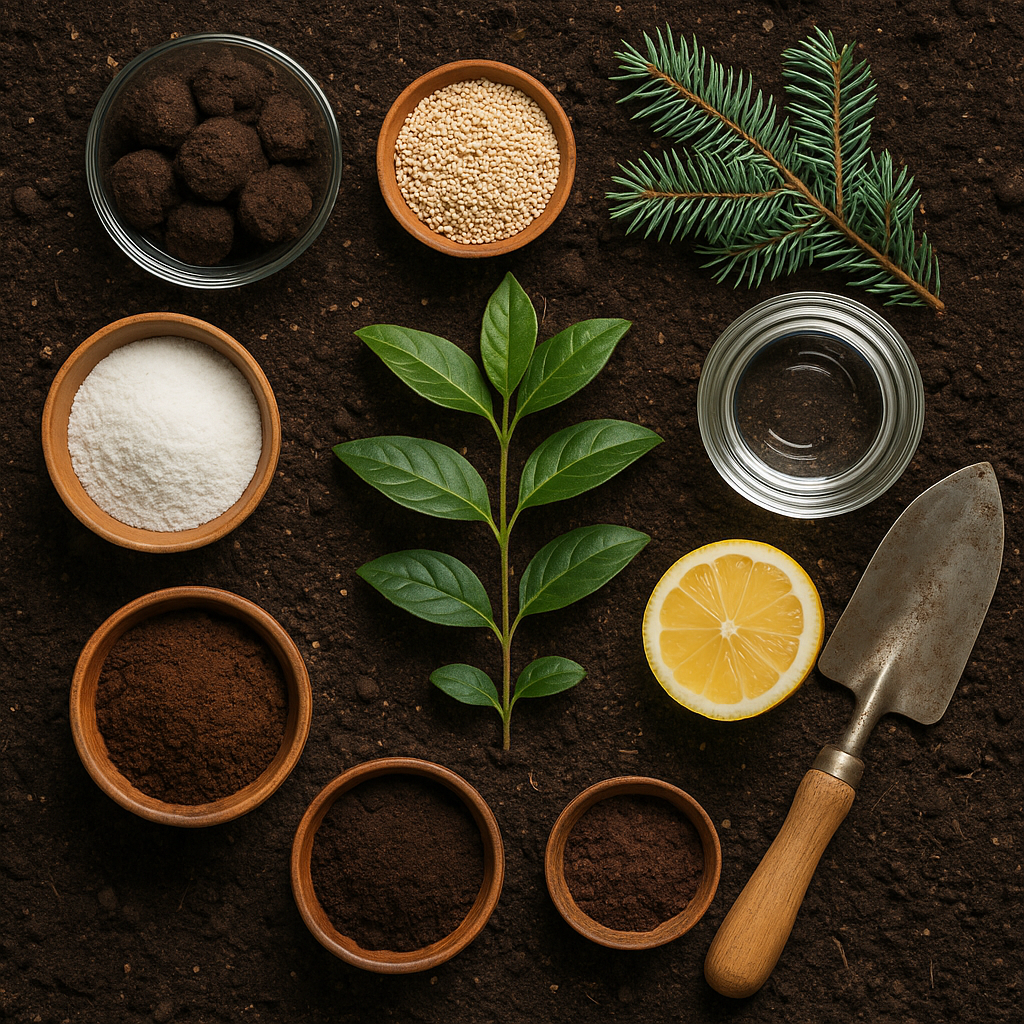
Gardening enthusiasts often face the challenge of optimizing their soil’s pH levels to create the perfect sanctuary for their plants. For acid-loving plants, such as blueberries, azaleas, and rhododendrons, having an acidic environment (with a pH of 5.5 or lower) is crucial for thriving growth. Fortunately, there are numerous natural methods available to amend garden soil and make it more acidic without resorting to synthetic chemicals. This comprehensive guide will delve into the various techniques, answering common questions along the way to help you achieve the optimal pH balance for your garden.
Understanding Soil pH: What is it and Why Does It Matter?
Soil pH is a measure of how acidic or alkaline the soil is, which can significantly influence plant growth and nutrient availability. The pH scale ranges from 0 (highly acidic) to 14 (highly alkaline), with 7 being neutral. Each plant has a preferred pH range that influences nutrient uptake. Acidic soils typically encourage the availability of micronutrients like iron and manganese, while high pH levels can lead to nutrient deficiencies.
Why Would You Want to Acidify Your Soil?
-
Plant Preference: Many popular plants thrive in acidic soils. Blueberries, for instance, are notoriously finicky about their soil requirements. Ensuring the right pH can lead to healthier plants and more bountiful harvests.
-
Nutrient Availability: Acidic soils enhance the solubility of certain nutrients, making it easier for plants to absorb vital elements such as iron and magnesium. This can lead to greener plants, more robust growth, and improved yields.
-
Pest and Disease Control: Some studies suggest that lower pH levels might help discourage certain pests and diseases, creating a more robust ecosystem for growth.
-
Soil Components Interaction: Different soil types interact with plants in varying ways based on their pH. Altering the pH can lead to different chemical interactions that may be beneficial to your gardening goals.
What is the Optimal pH for Acid-Loving Plants?
Most acid-loving plants prefer a soil pH of 4.5 to 6.5. Some plants have very specific requirements, so it is worth researching the individual needs of your chosen species. Regularly testing your soil pH can help you monitor and adjust the acidity to meet those requirements effectively.
How to Test Your Soil pH
Before making any amendments to your garden soil, it’s essential to assess its current pH level.
Methods of Soil Testing
-
Store-Bought Soil Testing Kits: These kits usually come with easy-to-follow instructions. They are often affordable and offer a quick way to measure pH levels.
-
Professional Testing Services: If you want detailed information about your soil composition, consider sending a sample to a local agriculture extension office or laboratory.
-
DIY Testing: You can create a simple pH test using white vinegar and baking soda. Mix a small amount of soil with vinegar; if it fizzes, your soil is alkaline. Conversely, using baking soda with soil and water will indicate acidity if it fizzes.
Natural Ways to Acidify Soil
Once you’ve established your current pH levels, you can consider several natural methods to make your garden soil more acidic.
1. Organic Mulches
Question: How can organic mulches help acidify soil?
Answer: Organic mulches such as pine needles, shredded leaves, and wood chips, particularly from coniferous trees, can lower the pH as they decompose. Pine needles, in particular, maintain their acidity even as they break down, making them an excellent choice for acid-loving plants.
How to Use:
- Spread a layer of organic mulch around your plants (3-4 inches thick).
- Replenish the mulch as it decomposes to maintain acidity.
2. Composted Pine Bark
Question: Why is composted pine bark effective?
Answer: Composted pine bark is an excellent soil amendment for acidifying soil. It not only lowers pH but also enhances soil structure, drainage, and nutrient retention.
How to Use:
- Mix composted pine bark into your garden beds at a ratio of 1:3 (composted pine bark to existing soil).
- Incorporate it evenly into the soil during tilling.
3. Sulfur Fertilizers
Question: Can sulfur fertilizers help lower pH?
Answer: Yes, elemental sulfur is a widely recognized natural method to acidify soil. Soil bacteria convert sulfur to sulfuric acid, which will reduce pH levels over time.
How to Apply:
- The recommended amount varies based on how much you need to lower the pH; typically, 1-2 pounds per 100 square feet is advisable.
- Work the sulfur into the top layer of soil before planting.
- It’s crucial to monitor pH levels after application, as it takes time for the changes to take effect.
4. Coffee Grounds
Question: Is it true that old coffee grounds can acidify soil?
Answer: Coffee grounds can slightly lower pH, although they won’t produce significant changes alone. They are an excellent addition to your compost pile or mulch layer as they also provide nitrogen.
How to Use:
- You can sprinkle used coffee grounds around plants or mix them into compost.
- Be mindful not to apply too much, as it may lead to a buildup of caffeine, potentially impacting plant health negatively.
5. Sphagnum Peat Moss
Question: What is sphagnum peat moss and how does it acidify soil?
Answer: Sphagnum peat moss is an organic material harvested from peat bogs. It’s naturally acidic and improves soil aeration and moisture retention.
How to Use:
- Mix peat moss into your soil at about 25% of the volume.
- Ensure that it is well-sourced and sustainably harvested to minimize environmental impact.
6. Wood Ash
Question: Can wood ash acidify soil?
Answer: Interestingly, wood ash is more alkaline than acidic; however, it can help balance out overly acidic soils. While it won’t lower pH, it may support other soil health aspects.
7. Acidic Fertilizers
Question: Are there fertilizers that can help acidify soil?
Answer: Yes, certain fertilizers can contribute to increasing soil acidity. Ammonium-based fertilizers, such as ammonium sulfate, are beneficial for this purpose.
How to Apply:
- Follow package instructions for application rates based on your garden size and plant needs.
8. Citrus Peels
Question: Do citrus peels have any effect on soil acidity?
Answer: While citrus peels are not highly effective in altering pH, they can provide organic matter and nutrients beneficial for soil health.
How to Use:
- Chop citrus peels finely and mix them into the compost pile, or scatter them around plants as a mulch.
9. Fermented Plant Oils
Question: How do fermented plant oils influence soil pH?
Answer: Fermenting plant materials (like weeds or kitchen scraps) creates an acidic liquid that can be soaked into the soil, lowering pH.
How to Use:
- Create a fermented plant liquid by soaking chopped green matter in water for 1-2 weeks, stirring regularly. Dilute it before applying it to plants.
Maintaining Acidic Soil: Tips and Best Practices
Acidification is not a one-time task; it requires ongoing management to sustain desired pH levels.
-
Regular Testing: Test your soil pH regularly, at least once a year, to monitor changes and ensure you maintain the desired level.
-
Read and Research: Always know the specific pH requirements of the plants you wish to grow and adjust your soil amendments accordingly.
-
Record Keeping: Keep a gardening journal to document your soil amendments, pH tests, and the growth of your plants. This will guide future decisions.
-
Crop Rotation: Practice crop rotation with acid-loving plants to continually refresh the soil.
Conclusion
Acidifying your garden soil naturally is a beneficial and rewarding endeavor that can significantly enhance the growth of your plants while promoting a healthy ecosystem. By using a combination of organic methods such as mulching, applying composted materials, and incorporating suitable amendments, you can create the ideal acidic environment for your thriving garden.
Remember, patience is key; changes in soil pH can take time to manifest, so track your progress and adjust your methods as necessary. By mastering the art of acidifying your soil, you are one step closer to cultivating a flourishing garden that brings both beauty and bounty. Happy gardening!