
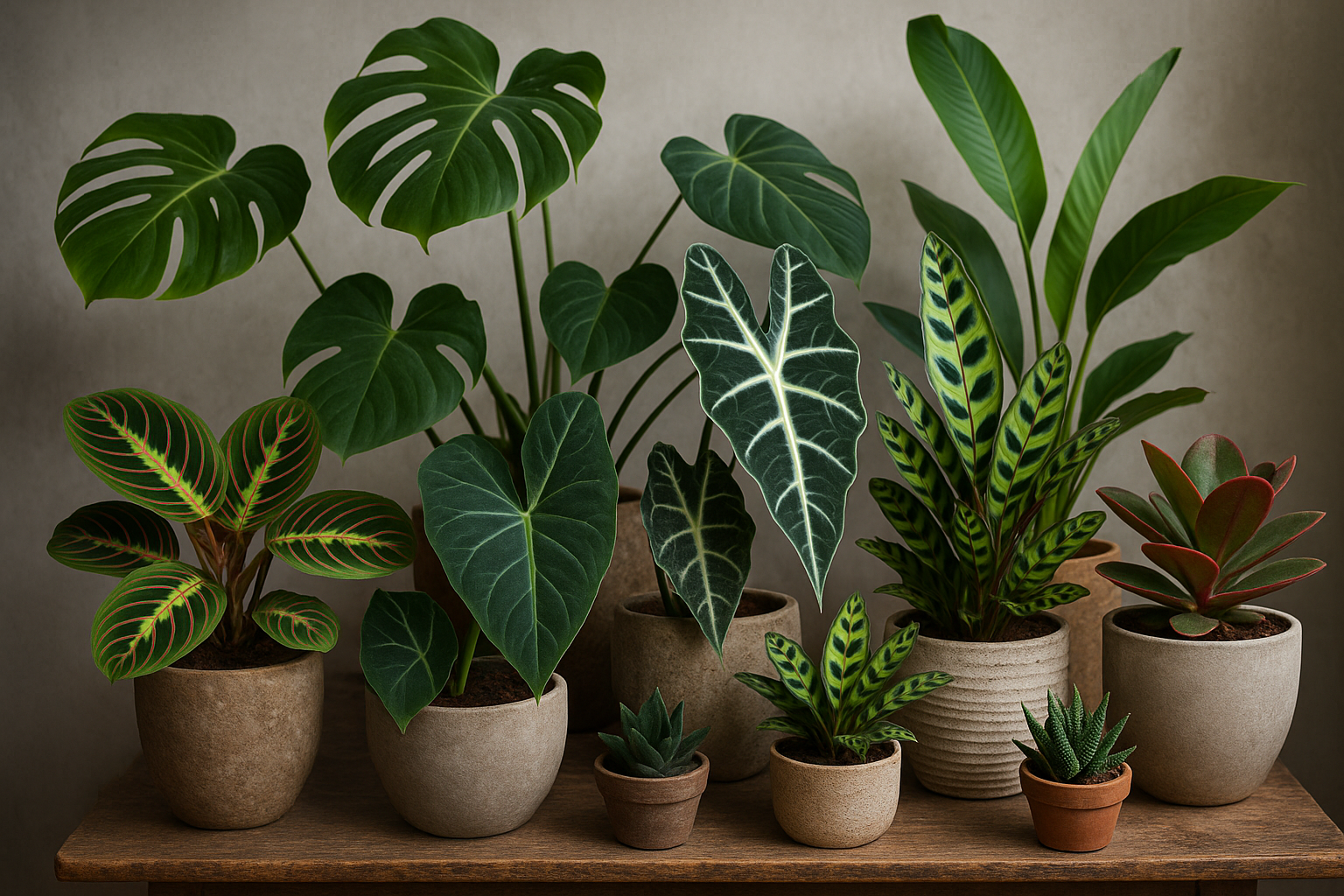
In recent years, the allure of exotic house plants has captivated both seasoned botanists and casual plant enthusiasts alike. From their striking appearances to their enchanting growth habits, these botanical treasures offer a slice of nature’s splendor within the confines of one’s home. If you’re looking to elevate your indoor space with remarkable flora, this comprehensive article will explore the wonders of exotic house plants, addressing commonly asked questions along the way while providing valuable insights that will inspire and empower you in your indoor gardening journey.
What Exactly Are Exotic House Plants?
Exotic house plants are defined as non-native plants that thrive in tropical or subtropical climates, often characterized by their vivid colors, unique forms, and captivating textures. These plants can range from lush foliage and ornamental blooms to unusual growth patterns and fascinating adaptations. Unlike typical house plants, exotic varieties often demand specific care, thereby offering a more enriching experience for plant lovers. This diversity not only enhances the aesthetic quality of your home but also improves air quality and has been scientifically shown to reduce stress.
Why Choose Exotic House Plants?
1. Aesthetic Appeal
One of the primary motivations for introducing exotic plants into your home is their stunning appearance. With a myriad of colors, shapes, and sizes, these plants can serve as focal points or complements to your existing decor. For example, the vibrant leaves of a Monstera Deliciosa or the intricate patterns found on a Calathea can instantly uplift a drab corner, bringing life and vibrancy into your living space.
2. Unique Characteristics
Exotic house plants often come with unique growth habits and adaptations that make them fascinating additions to your home. For instance, the Venus Flytrap is renowned for its carnivorous nature, capturing prey to supplement its nutrient intake. Such characteristics can spark conversations and add an educational element to your home.
3. Therapeutic Benefits
The presence of house plants has been linked to various mental health benefits. Research shows that indoor plants can reduce stress, increase productivity, and improve overall well-being. The act of caring for plants can also serve as a mindful practice, grounding you in the present and fostering a sense of accomplishment when you see your plants thrive.
4. Improved Air Quality
House plants are known to act as natural air purifiers. They absorb toxins and release oxygen through photosynthesis. Exotic varieties like Peace Lilies and Spider Plants have been shown to effectively filter indoor pollutants, contributing to a healthier living environment.
What Are Some Popular Exotic House Plants?
1. Monstera Deliciosa
Description
Commonly known as the Swiss Cheese Plant, Monstera Deliciosa is adored for its large, heart-shaped leaves with unique perforations. Native to the tropical rainforests of Central America, it can grow quite large and often reaches several feet in height.
Care Tips
- Light: Prefers bright, indirect sunlight.
- Water: Allow the top inch of soil to dry out before watering.
- Humidity: Thrives in higher humidity levels; misting the leaves can help.
2. Fiddle Leaf Fig (Ficus lyrata)
Description
The Fiddle Leaf Fig is characterized by its large, violin-shaped leaves that can reach up to 18 inches long. This plant has gained popularity for its sculptural appearance, making it a favorite in modern interior design.
Care Tips
- Light: Needs bright, indirect light but can tolerate some direct sun.
- Water: Water when the top inch of soil feels dry.
- Humidity: Prefers humidity levels of at least 30%; mist regularly.
3. Snake Plant (Sansevieria trifasciata)
Description
Also known as Mother-in-Law’s Tongue, the Snake Plant boasts thick, upright leaves with striking yellow or white edges. It is well-known for its air-purifying abilities.
Care Tips
- Light: Tolerates low light conditions but prefers indirect light.
- Water: Water sparingly; allow the soil to dry out completely.
- Humidity: Thrives in average humidity levels.
4. Calathea
Description
Calatheas are celebrated for their intricately patterned leaves, often displaying striking colors and designs. Known as prayer plants, their leaves open in the morning and close at night.
Care Tips
- Light: Prefers bright, indirect sunlight.
- Water: Keep the soil consistently moist, but not soggy.
- Humidity: Enjoys higher humidity; regular misting is beneficial.
5. Bird of Paradise (Strelitzia reginae)
Description
Native to South Africa, the Bird of Paradise is famous for its stunning orange and blue flowers, resembling a bird in flight. This plant can grow quite large, adding a dramatic touch to any indoor setting.
Care Tips
- Light: Needs bright, direct light for optimal growth.
- Water: Water regularly, ensuring the soil does not dry out completely.
- Humidity: Prefers humidity but can adapt to average levels.
How Do You Care for Exotic House Plants?
Caring for exotic house plants can be a rewarding yet challenging endeavor. Here are several essential tips to ensure the best care for your green companions:
1. Understand Each Plant’s Needs
Each exotic plant has its unique requirements for light, water, humidity, and temperature. Research each species to provide optimal conditions. Consider using a plant care app or journal to track your plants’ individual needs and growth patterns.
2. Choose the Right Soil
Using well-draining potting soil is crucial for exotic plants. Consider using a mix suited for tropical plants, often containing peat moss, perlite, and other organic materials. This helps prevent root rot by ensuring proper drainage.
3. Proper Watering Techniques
One of the most common mistakes in plant care is overwatering. Exotic plants may have varying water needs; understanding when to water based on soil moisture is essential. As a general rule, it’s better to underwater than overwater.
4. Acclimate New Plants
When introducing a new exotic plant into your home, allow it to acclimate to its new environment gradually. This will reduce transplant shock and help your plant adjust to changes in humidity, light, and temperature.
5. Monitor for Pests and Diseases
Exotic plants are susceptible to pests such as spider mites, aphids, and mealybugs. Regularly inspect your plants for signs of infestation, and treat any issues immediately with organic pest control methods or insecticidal soap.
6. Fertilizing
Exotic plants typically benefit from fertilization during the growing season (spring and summer). Use a balanced, water-soluble fertilizer diluted to half-strength to promote healthy growth.
7. Pruning and Repotting
Regularly prune your plants to remove any dead or yellowing leaves. Repot your exotic plants as needed, usually every couple of years, to refresh the soil and provide more space for growth.
Are There Any Common Problems Associated with Exotic House Plants?
1. Leaf Yellowing
Cause: Overwatering or inadequate lighting.
Solution: Check the soil moisture and adjust your watering schedule. Ensure the plant is receiving adequate light.
2. Wilting Leaves
Cause: Underwatering or extreme temperatures.
Solution: Water the plant and move it to a more suitable location, away from drafts and extreme changes in temperature.
3. Brown Leaf Tips
Cause: Low humidity or over-fertilization.
Solution: Increase humidity by misting or using a humidifier. Reduce fertilization frequency.
4. Pest Infestation
Cause: Poor air circulation and humidity imbalance.
Solution: Isolate the affected plant and treat it with appropriate pest control methods. Consider introducing beneficial insects like ladybugs.
Can Exotic House Plants Be Grown in Low Light?
While many exotic plants thrive in bright, indirect sunlight, several varieties can adapt to low-light conditions. Some notable options include:
- Snake Plant (Sansevieria): Well-known for its ability to tolerate low light and neglect.
- ZZ Plant (Zamioculcas zamiifolia): Can thrive in very low light and requires minimal care.
- Pothos (Epipremnum aureum): Grows well in low light and is famous for its trailing vines.
However, while these plants can survive in low light, their growth may be slower, and they may not display their full potential. Supplementing with grow lights can help maintain their health and vibrancy.
How Can You Propagate Exotic House Plants?
Propagation is a satisfying process that allows you to produce new plants from existing ones. Here are methods for propagating some popular exotic plants:
1. Monstera Deliciosa
- Method: Stem cuttings
- Steps: Cut a stem just below a node, ensuring at least one leaf is attached. Place the cutting in a glass of water or directly in potting soil. If using water, change the water weekly until roots develop.
2. Fiddle Leaf Fig
- Method: Leaf cuttings
- Steps: Take a leaf cutting with a stem and place it in soil or water until roots develop. Note that this method can be slow.
3. Snake Plant
- Method: Leaf cuttings
- Steps: Cut a healthy leaf into sections and allow them to callous for a few days. Then, place them upright in moist soil.
4. Calathea
- Method: Division
- Steps: Carefully remove the plant from its pot and gently separate the roots into smaller sections. Replant each section into its own pot.
5. Bird of Paradise
- Method: Division
- Steps: Similar to Calathea, divide the root ball of a mature plant into smaller sections.
Are Exotic House Plants Safe for Pets?
If you share your home with pets, it’s crucial to choose plants that are non-toxic to them. Many exotic plants can pose risks to beloved pets. Here are some commonly kept exotic house plants and their toxicity:
Non-Toxic Options:
- Parlor Palm (Chamaedorea elegans)
- Spider Plant (Chlorophytum comosum)
- Areca Palm (Dypsis lutescens)
Toxic Options:
- Philodendron: Can cause gastrointestinal issues in pets.
- Fiddle Leaf Fig: Potentially harmful if ingested, causing irritation.
- Spathiphyllum (Peace Lily): Contains calcium oxalate crystals, which can be irritative.
Always research and ensure that your exotic house plants are safe for your furry companions. If you’re unsure, consult your veterinarian or refer to the ASPCA’s comprehensive list of toxic and non-toxic plants.
How Can You Create an Exotic Plant Oasis in Your Home?
Creating an exotic plant oasis requires thoughtfulness about both aesthetics and plant care. Here are steps to curate an inviting green space:
1. Choose a Focal Point
Select a prominent place for your exotic plants, such as a bright corner or a plant stand. Large plants like the Fiddle Leaf Fig or Bird of Paradise work beautifully as statement pieces.
2. Create Layers
Vary plant heights and sizes to create visual interest. Use plant stands, shelves, or hanging pots to showcase smaller or trailing plants like Pothos and Calathea.
3. Incorporate Texture and Color
Combine plants with a mix of textures and colors. Pair the smooth, glossy leaves of a Snake Plant with the soft, intricate foliage of a Calathea.
4. Group Plants Wisely
Group plants with similar care needs together. This makes maintenance easier and creates a cohesive look. Incorporate decorative pots that complement your home decor.
5. Use Natural Light Strategically
Determine where your light sources are in your home. Position light-loving plants near windows, and place low-light-tolerant plants further away.
6. Adding Accessories
Consider adding stones, pebbles, or decorative mulch on the soil surface to enhance the visual appeal of your plant arrangement. Utilize terrariums for small plants to create a mini-ecosystem.
7. Consider Functional Furniture
Introduce functional furniture such as a bookshelf or plant shelf that can double as a decorative focal point while providing room for your exotic plants to thrive.
Conclusion
Exploring exotic house plants opens the door to a vibrant world filled with striking visuals, unique characteristics, and numerous benefits. By embracing the art of indoor gardening, you can elevate your home while nurturing your mental well-being. Whether you’re drawn to the bold leaves of a Monstera, the delicate patterns of a Calathea, or the dramatic look of a Bird of Paradise, there’s a wealth of options to satiate every green thumb’s desire.
So roll up your sleeves, don’t be afraid to experiment, and dive into the wonderful journey of nurturing exotic house plants. With the right care, knowledge, and love, you can turn your home into a thriving botanical sanctuary that enriches both your life and your living space for years to come. Happy planting!