
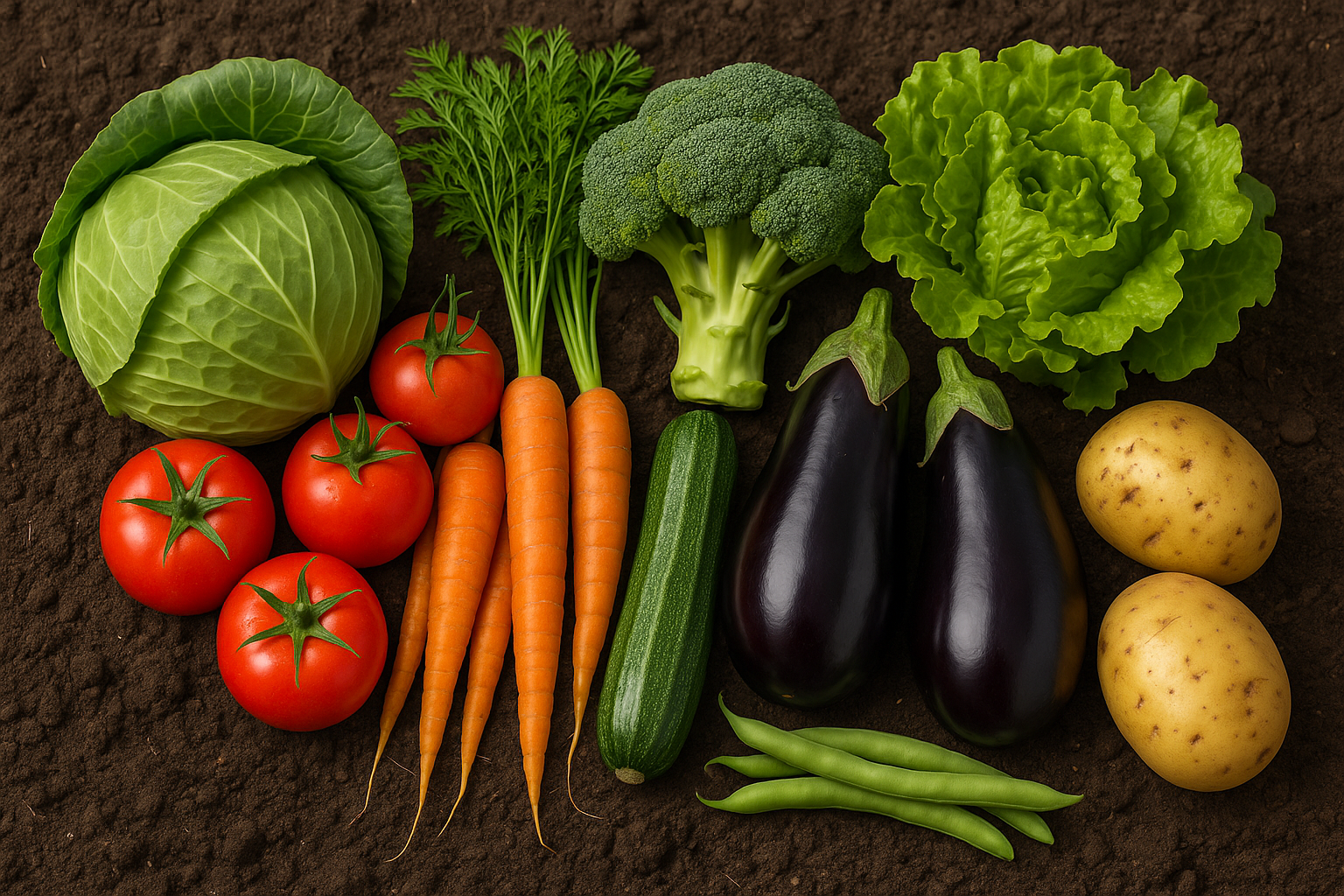
The Alkaline Garden: A Deep Dive into Garden Vegetables that Thrive in High pH Soil
When it comes to gardening, soil is the unsung hero that delivers crucial nutrients and sustains plant life. While many gardeners focus on creating the perfect acidic or neutral soil, some may not realize that alkaline soil—defined as having a pH above 7—can be equally advantageous. Particularly in regions with alkaline soil, cultivating vegetables that thrive in these conditions can lead to a flourishing garden. In this comprehensive guide, we’ll explore the world of garden vegetables that prefer alkaline soil, providing insights, tips, and answers to frequently asked questions.
Understanding Alkaline Soil
What is alkaline soil?
Alkaline soil contains higher amounts of bicarbonates and lower amounts of hydrogen ions. The pH level, which ranges from 0 to 14, measures the acidity or alkalinity of the soil. Alkaline soil typically has a pH above 7, and in extreme cases, it can go up to 10 or 11. The higher alkalinity can affect nutrient availability and biology within the soil.
What causes soil to become alkaline?
Several factors contribute to the alkalinity of soil. These can include:
- Parent Material: Soils developed from limestone or chalk will have a natural inclination towards alkalinity.
- Irrigation Water: Some regions have mineral-rich water sources that can contribute to higher soil pH over time.
- Climate: In arid and semi-arid climates, evaporation can lead to salt accumulation and subsequently raise soil pH levels.
How does alkaline soil affect plant growth?
While many plants prefer slightly acidic to neutral pH levels, some crops thrive in alkaline conditions. Alkaline soils can affect key nutrients like iron, phosphorus, and manganese, making them less available to plants. However, certain vegetables have adapted to absorb these nutrients effectively in high pH environments.
Vegetables that Thrive in Alkaline Soil
Soil preference can vary considerably among different vegetable species. Here, we will explore several vegetables that not only tolerate but flourish in alkaline conditions.
1. Asparagus (Asparagus officinalis)
Why does asparagus thrive in alkaline soil?
Asparagus is a perennial vegetable that prefers well-drained soil with a pH between 7.0 and 8.0. The plant’s deep root system can access nutrients in alkaline conditions better than many others.
Growing Tips:
- Soil Preparation: Amending your soil with organic matter, such as compost, can improve structure and drainage.
- Spacing: Asparagus requires ample space; plant crowns about 18 inches apart in rows 4 to 5 feet apart.
2. Spinach (Spinacia oleracea)
Does spinach like alkaline soil?
Spinach not only tolerates alkaline soil but can also flourish, particularly in soils with a pH of 7.5 to 8.0. This leafy green is known for its versatility in culinary uses, and when grown in the right conditions, it provides a bountiful harvest.
Growing Tips:
- Fertilizing: Use slow-release fertilizers, rich in nitrogen, to promote robust leaf growth.
- Timing: Spinach grows best in cooler temperatures (spring and fall), so aim for planting when temperatures are optimal.
3. Beets (Beta vulgaris)
How do beets respond to alkaline conditions?
Beets prefer soils with a pH between 6.0 and 7.5, but they can tolerate slightly alkaline conditions as well. The adaptability of beets makes them an excellent choice for gardeners working with high pH soils.
Growing Tips:
- Seed Sowing: Directly sow seeds into the garden in early spring or fall. Ensure that soil is well-drained.
- Thinning: Once seedlings have established, thin them to provide ample space for root development.
4. Carrots (Daucus carota)
Can carrots be grown in alkaline soil?
Yes! Carrots can thrive in slightly alkaline soils, with a pH of around 7.0 to 8.0. The firmness and flavor of carrots often increase in well-drained soils with good calcium levels.
Growing Tips:
- Soil Depth: Carrots require deep, loose soil to grow long roots. If the soil is compacted or rocky, consider raised beds.
- Watering: Carrots benefit from consistent moisture, so water them regularly but avoid waterlogging.
5. Cabbage (Brassica oleracea var. capitata)
Does cabbage like alkaline soil?
Cabbage prefers soils with a pH ranging from 6.0 to 7.5 but can adapt to alkaline conditions. The benefits of growing cabbage in alkaline soil include less susceptibility to root diseases.
Growing Tips:
- Spacing: Provide adequate spacing (12-18 inches apart) to allow air circulation and prevent fungal diseases.
- Crop Rotation: Rotate crops yearly to improve soil health and minimize pest problems.
Nutrient Availability in Alkaline Soil
Which nutrients are affected by alkaline soil?
In alkaline soil, the availability of certain essential minerals may be hindered. Nutrients that are typically more challenging to obtain include:
- Iron: Iron becomes less available in alkaline conditions, often leading to iron chlorosis.
- Manganese: Similarly, manganese availability diminishes as pH rises above 7.5.
- Phosphorus: Alkaline soils can bind phosphorus, reducing its accessibility to plants.
How can you manage nutrient availability?
- Organic Matter: Regularly adding compost or well-rotted manure can enhance nutrient availability.
- Soil Amendments: Certain amendments like elemental sulfur can lower pH, while iron supplements can address iron deficiencies.
- Foliar Feeding: If plants show signs of nutrient deficiencies (e.g., yellowing leaves), foliar sprays can provide quick relief.
Caring for Your Alkaline Garden
What can you do to prepare your alkaline soil?
To cultivate a successful vegetable garden in alkaline soil, consider these preparation steps:
- Testing Soil pH: Start by testing your soil pH with a home testing kit or sending a sample to a local extension service.
- Adding Organic Matter: Regularly enrich your soil with compost to improve overall fertility and structure.
- Crop Selection: Choose the right vegetables that thrive in alkaline conditions for a better harvest.
- Mulching: Use organic mulches that decompose and help improve pH over time.
FAQs: Gardening in Alkaline Soil
Q: How can I tell if my soil is alkaline?
A: You can test your soil using a simple home testing kit, which usually involves adding soil samples to a solution and observing the color change. Alternatively, you may send a soil sample to a local agricultural extension office for detailed analysis.
Q: What is the ideal pH for most vegetables?
A: Most garden vegetables do best in slightly acidic to neutral soil with a pH of 6.0 to 7.0. However, many vegetables can adapt to higher pH levels as well.
Q: Can I grow acid-loving plants in alkaline soil?
A: Growing acid-loving plants in alkaline soil is challenging because they might experience nutrient deficiencies. If you wish to plant acid-loving species like blueberries or azaleas, consider amending the soil to achieve a more acidic environment.
Q: How can I maintain alkaline soil health?
A: Managing soil health involves regular amendments, proper crop rotation, mulching, and integrating cover crops to rebuild nutrient content.
Conclusion: A Flourishing Future with Alkaline Soils
Gardening in alkaline soil isn’t a prohibitive challenge but rather an opportunity to explore the unique plants that thrive under these conditions. With careful attention to soil preparation, nutrient management, and plant selection, gardeners can cultivate rich harvests from their alkaline gardens. As we’ve explored, vegetables like asparagus, spinach, beets, carrots, and cabbage not only tolerate but flourish in these environments.
By embracing the special characteristics of alkaline soil and leveraging the right vegetable choices, you can create a productive and diverse garden that not only meets culinary needs but also delights in its sustainability and resilience. Whether you are a novice gardener or a seasoned horticulturist, understanding the merits of alkaline gardening can transform your vegetable patch into a lush and fruitful landscape. The journey into alkaline gardening awaits; unleash the potential of your soil and watch your garden thrive!