
Aquaponics, a combination of aquaculture (farming fish) and hydroponics (growing plants in nutrient-rich water), is rapidly gaining popularity as a sustainable farming method. Among the various aquaponic systems, the raft system—also known as Deep Water Culture (DWC)—is garnering attention for its efficiency, simplicity, and remarkable results. This article delves into the intricacies of raft system aquaponics, answering commonly asked questions and exploring its benefits, challenges, and overall impact on sustainable agriculture.
What is Raft System Aquaponics?
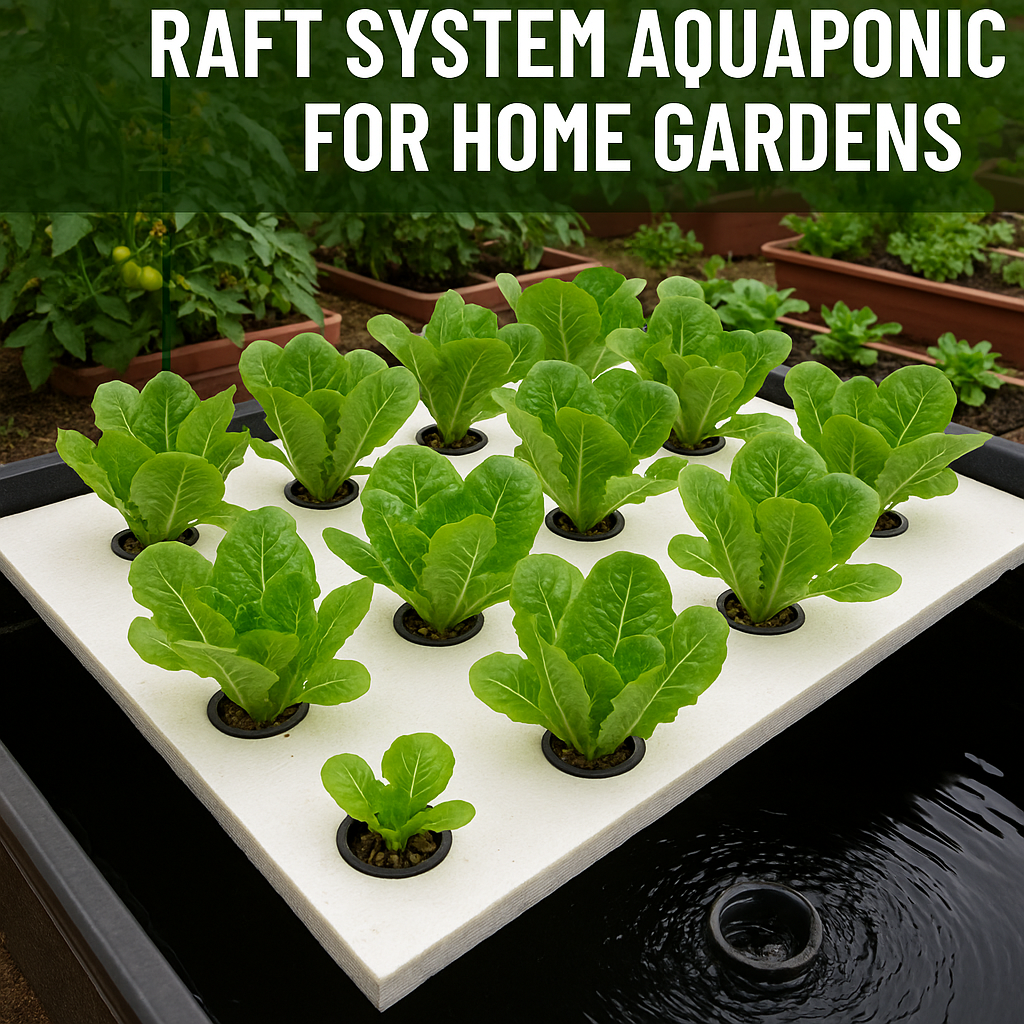
Raft system aquaponics is a method where plants are grown on floating rafts in a nutrient-rich water body containing fish. This method allows the plant roots to dangle directly into the water, where they can absorb nutrients and oxygen. The fish provide waste that serves as organic fertilizer for the plants, while the plants help filter and clean the water for the fish. The interconnectedness of these two systems creates a symbiotic relationship, making raft system aquaponics an efficient and sustainable way to grow food.
How Does the Raft System Work?
The raft system operates on the principles of nutrient cycling and natural filtration, utilizing the following components:
-
Fish Tank: This is where the fish are kept. The fish produce waste, which contains ammonia, and this waste is essential for providing nutrients to the plants.
-
Raft: Made of materials like polystyrene, the raft floats on the water surface, offering a stable support for the plants. The raft contains holes where seedlings are placed.
-
Growing Media: While raft systems primarily use water, some may incorporate a growing medium (like clay pellets or rock wool) in the seedling holes to anchor the plants.
-
Water Pump System: This ensures continuous water movement between the fish tanks and the plant beds, facilitating nutrient exchange.
-
Biofilter: In some systems, a biofilter is included to convert ammonia from fish waste into nitrates, which are then accessible to the plants.
-
Aeration System: Oxygenation is crucial in a raft system, as both fish and plant roots require it. Aerators or air stones deliver oxygen to the water.
The Aquaponic Cycle
The aquaponics cycle involves several key processes:
-
Fish Waste: As the fish consume their feed, they produce waste, which is high in ammonia.
-
Ammonia Transformation: Beneficial bacteria in the system convert ammonia into nitrites, and then into nitrates, which are less toxic and can be utilized by plants.
-
Nutrient Uptake: The plants absorb these nitrates and other nutrients via their roots, which also filter the water in the process.
-
Clean Water Return: Finally, the filtered and cleaned water returns to the fish tank, creating a self-sustaining ecosystem.
Why Choose Raft System Aquaponics?
Advantages of Raft System Aquaponics
-
Space Efficiency: Raft systems are versatile and can be implemented in small or urban spaces, making them ideal for individuals and communities seeking local food production solutions.
-
Higher Yields: The combination of aquaculture and hydroponics can produce higher yields compared to traditional gardening methods. Plants grow faster in nutrient-rich water, and a well-maintained raft system can generate significant quantities of produce.
-
Reduced Resource Use: Raft systems use up to 90% less water than traditional farming because of their closed-loop system. This makes them especially valuable in arid regions or areas facing water scarcity.
-
Chemical-Free: Since the system relies on natural processes, there is no need for synthetic fertilizers or pesticides. This offers a healthier alternative for consumers.
-
Sustainable Fish Production: Aquaponics supports ethical and sustainable fish farming practices. You can choose to raise native species or fish that require less feed, resulting in less environmental impact.
What Crops Can Be Grown in Raft Systems?
Given the nature of raft systems, certain crops thrive better than others. Here’s a list of some commonly grown plants:
-
Lettuce: Fast-growing and well-suited for raft systems due to their short root systems.
-
Herbs: Basil, mint, and parsley benefit from nutrient-rich water and grow quickly.
-
Leafy Greens: Spinach and bok choy flourish in the aquatic environment.
-
Strawberries: Popular in aquaponic systems, strawberries also adapt well to the floating raft design.
-
Kale and Collard Greens: These nutrient-dense plants benefit from the ample nutrients available in the water.
While the types of fish can also vary (tilapia, trout, catfish), the choice of crops often depends on local climate, market demands, and personal preferences.
How to Start a Raft System Aquaponics Setup?
Starting a raft system aquaponics setup is both exciting and rewarding, but it does require planning and basic knowledge. Here’s a simple roadmap:
-
Select Your Location: Choose a spot that receives adequate sunlight (approx. 6–8 hours daily) and has access to electricity and water.
-
Build or Buy Your Setup: You can either construct the raft system using materials like PVC pipes, tanks, and a floating raft made of polystyrene or purchase a ready-made kit.
-
Select Fish and Plants: Research species suitable for your climate and conditions. Consider local regulations regarding fish farming and specific requirements for plant growth.
-
Cycle Your System: Before introducing fish, you need to cycle your system (usually 4-6 weeks) to develop beneficial bacteria required for ammonia conversion.
-
Introduce Fish: Gradually acclimate your fish to the system, ensuring that you maintain optimal water temperature and pH levels.
-
Plant Seeds: Start plants in a nursery area (usually outside of your raft) until they develop roots, then transplant them into the raft system.
-
Maintain and Monitor: Monitor system parameters like pH, ammonia, nitrite, and nitrate levels. Ensure aeration and water circulation are consistent.
-
Harvest: As plants mature, you can begin harvesting and enjoying your home-grown seafood and vegetables.
Frequently Asked Questions about Raft System Aquaponics
What are the costs associated with setting up a raft system?
The costs for setting up a raft system can vary widely based on the scale and materials used. Basic kits might range from $300 to $1000 for small systems, while larger, more complex setups may exceed several thousand dollars. Costs will include:
- Tanks: Cost depends on size and materials.
- Raft materials: Polystyrene or other buoyant materials.
- Pumps and aeration equipment: Critical for circulation and oxygenation.
- Fish stock: Prices vary by species and size.
- Seedlings: As well as the costs for growth mediums.
Planning a budget and potential ongoing maintenance costs is crucial for a successful aquaponics venture.
How much time does it take to maintain a raft system?
Maintaining a raft system involves daily checks on water levels, oxygen supply, and fish health. Weekly tasks may include water testing, cleaning filters, and monitoring plant growth. Expect to spend roughly 5-10 hours a week on average, more if you’re also conducting major repairs or upgrades.
Are there any challenges to consider?
While raft system aquaponics has numerous benefits, challenges do exist:
-
Water Quality Management: Regular monitoring of pH, ammonia, nitrite, and nitrate levels is vital to sustaining a healthy ecosystem.
-
Temperature Fluctuations: Water temperature directly impacts fish health and growth rates. Maintaining a stable temperature requires careful planning.
-
Pest Management: Although using no chemicals is an advantage, pests can still pose a challenge. Integrated pest management strategies focused on natural solutions can help.
-
Fish Health: Diseases can escalate quickly in aquaponic systems. Researching and implementing best practices for fish care is critical.
Can aquaponics be run indoors?
Absolutely! Raft systems can be adapted for indoor use, provided there is adequate lighting. With grow lights, you can effectively grow fish and plants regardless of the external climate. Indoor systems often require additional considerations for water filtration and patient monitoring to maintain optimal conditions.
The Future of Raft System Aquaponics
As global populations continue to rise and the demand for sustainable food sources increases, raft system aquaponics holds immense potential. Innovations in technology, such as automated monitoring systems and improved water filtration, are enhancing efficiency and yield rates. Furthermore, community initiatives and educational programs are promoting the understanding of aquaponics, allowing individuals to take charge of their food sources.
Conclusion: A Sustainable Future is Within Our Reach
Raft system aquaponics represents a forward-thinking approach to food production that marries environmental stewardship with technological innovation. As more people turn to sustainable solutions for their food needs, the raft system offers a practical and rewarding method of providing fresh produce and fish. By embracing this holistic system, individuals not only contribute to their well-being but also participate in a broader movement towards sustainable food systems that are essential for the future of our planet.
The journey into raft system aquaponics promises not just a way to grow food but also to foster a deeper connection to nature, community, and self-sufficiency, paving the way for a healthier future for generations to come. Whether you are a seasoned farmer or a curious novice, the raft system aquaponics offers an inspiring opportunity to grow, learn, and thrive.