
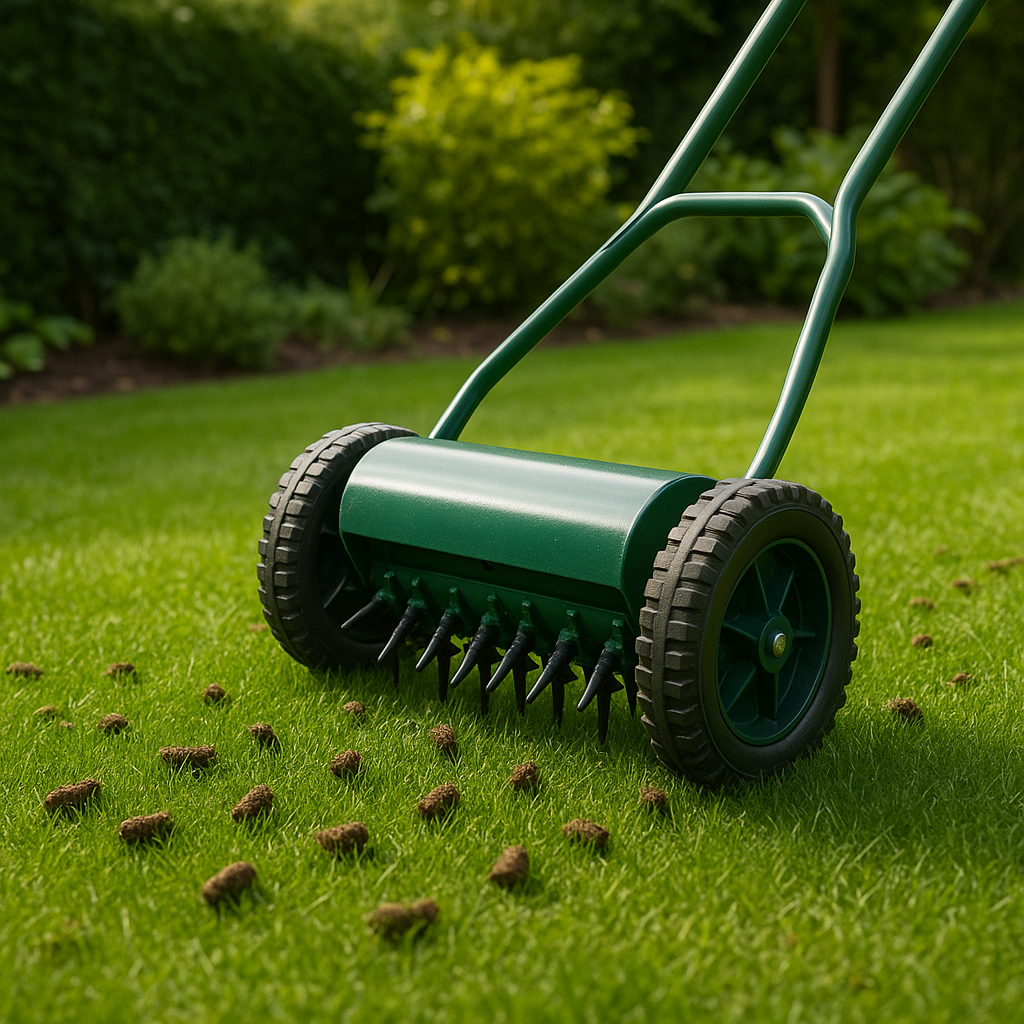
Gardening is one of the most rewarding activities anyone can engage in, providing not only fresh produce but also a sense of accomplishment and serenity. However, beneath the surface of a thriving garden lies an important aspect that often goes unnoticed: soil aeration. Aerating your lawn and garden is essential for promoting healthy plant growth and enhancing soil fertility. In this article, we will delve deep into the importance of garden aeration, the methods to achieve it, and the best practices for maintaining healthy soil.
What is Garden Aeration?
Garden aeration is the process of perforating the soil with holes to allow air, water, and nutrients to penetrate the root zone of plants. The primary goal of aeration is to alleviate compacted soil, improving drainage and increasing the availability of essential nutrients to plants. There are various aeration techniques, each suited for different garden types and conditions.
Why is Aeration Important?
Before diving into the “how,” it’s crucial to understand the “why” behind garden aeration. Here are several critical reasons to aerate your garden:
-
Improves Oxygen Availability: Plants require oxygen for respiration, and compacted soil can significantly limit the amount available to roots. Aeration helps increase oxygen levels in the soil.
-
Enhances Water Infiltration: Proper aeration allows rainwater and irrigation to permeate deeper into the soil, reducing runoff and promoting healthy roots.
-
Promotes Microbial Activity: Aerated soils are more conducive to the proliferation of beneficial microbes. These microorganisms play a vital role in breaking down organic matter, making nutrients available to plants.
-
Reduces Soil Compaction: Aeration breaks up compacted soil, which may occur due to foot traffic, heavy equipment, or the natural settling of soil over time. Looser soil encourages deeper root growth.
-
Stimulates Root Growth: With improved aeration, roots can grow deeper and access a greater volume of nutrients and moisture.
-
Facilitates Nutrient Uptake: When the soil is well-aerated, nutrients in fertilizers can more easily reach plant roots, enhancing their effectiveness.
Frequently Asked Questions about Garden Aeration
What Signs Indicate that My Soil Needs Aeration?
While the need for aeration will depend on your specific garden conditions, several signs indicate that your soil might need aeration:
- Water Puddles: If water pools on the surface after heavy rain, it may not be able to penetrate the compacted soil.
- Dying Grass or Plants: Thin or dying grass can suggest a lack of aeration, leading to poor nutrient absorption.
- Compacted Soil: If the soil feels hard, or if you struggle to push a garden spade into it, aeration is likely needed.
- Frequent Weeds: A proliferation of weeds can indicate poor soil health. Weeds often thrive in poorly aerated conditions.
When is the Best Time to Aerate My Garden?
The timing of aeration depends on the climate and the type of plants in your garden:
-
Cool-Season Grasses: For regions with cool-season grasses (like Kentucky bluegrass), early spring or early fall is ideal. This timing aligns with the grasses’ growth patterns and allows recovery after aeration.
-
Warm-Season Grasses: If you have warm-season grasses (such as Bermuda and St. Augustine), the best time for aeration is late spring to early summer when these grasses are actively growing.
-
Vegetable Gardens: For vegetable gardens, aeration can be performed in spring as the soil warms up and prior to planting.
What Tools Do I Need for Aeration?
There are several tools available for garden aeration, each varying in efficiency and suitability for different gardens:
-
Spike Aerator: A spike aerator has solid spikes that punch holes into the soil. This tool is more suitable for small areas and less compacted soils.
-
Plug Aerator (Core Aerator): Plug aerators remove plugs of soil from the ground, allowing for better air, water, and nutrient absorption. They are the preferred choice for compacted soils and larger areas.
-
Manual Aerators: For smaller gardens, a handheld manual aerator might be sufficient. These devices are lightweight and can be easily used in tighter spaces.
-
Aeration Shoes: While not the most effective method, aeration shoes equipped with spikes can allow gardeners to aerate while they walk around their garden.
-
Rental Machines: For large gardens or lawns, consider renting a mechanical aerator from a local home improvement store or landscaping company. These machines can cover significant areas quickly and effectively.
Techniques for Aerating Your Garden
Now that we’ve established the importance of aeration and answered common questions, let’s discuss the various techniques for aerating your garden.
Method 1: Core Aeration
1. Identify the Area: Mark the areas you want to aerate, focusing on zones with compacted soil.
2. Water the Soil: Water the area a day before aeration. Moist soil is easier for aerators to penetrate, resulting in better plug removal.
3. Aerate: Using a core aerator, make spaced passes across the designated area. The goal is to pull out 2-4 inch plugs of soil at intervals of 3-4 inches apart.
4. Leave the Plugs: Leave the soil plugs on the surface for a few days, as they will break down and return nutrients back into the soil.
5. Fertilize (Optional): This is a great time to apply organic fertilizer, as it will penetrate more effectively into the aerated soil.
6. Water Again: After finishing aeration and fertilization, lightly water the area again to encourage moisture uptake.
Method 2: Spike Aeration
Spike aeration is simpler than core aeration but is typically less effective for severely compacted soils.
1. Choose a Spike Aerator: You can use manual spikes or aeration shoes.
2. Step or Roll: Use your spike aerator on the desired area, keeping holes about 4-6 inches apart.
3. Add Compost or Fertilizer (Optional): As with core aeration, applying compost or fertilizers during spike aeration can enhance soil recovery.
Maintaining Aerated Soil
After aeration, it’s essential to follow best practices for maintaining aerated soil:
-
Regular Watering: Keep your garden properly hydrated but avoid overwatering. Deep, infrequent watering will help roots grow deeper.
-
Mulching: Apply a layer of organic mulch, like shredded leaves or straw, to regulate soil temperature, retain moisture, and reduce weed growth.
-
Avoid Heavy Foot Traffic: Restrict foot traffic on aerated areas, especially until plants establish and begin to thrive.
-
Plan for Annual Aeration: Depending on conditions, aim to aerate your garden at least once a year. In high-traffic areas or with heavy clay soils, twice a year may be ideal.
The Benefits of Organic Amendments Post-Aeration
Aeration provides an opportune moment to enrich your soil composition. Here are some organic amendments to consider:
-
Compost: Fully decomposed organic matter improves soil structure, enhances microbial activity, and replenishes nutrients.
-
Gypsum: Particularly beneficial for clay soils, gypsum helps improve soil structure, allows better drainage, and reduces compaction.
-
Organic Fertilizers: Use balanced, slow-release organic fertilizers that provide long-term nutrient support.
Troubleshooting Common Aeration Issues
Even with diligent aeration efforts, others may encounter some issues. Here are some troubleshooting tips:
-
Soil Compaction Persists: If soil compaction continues to be a problem, consider multiple rounds of aeration or switching to a plug aerator.
-
Limited Plant Growth: If plants still struggle despite aeration, evaluate other environmental factors like sunlight, soil pH, nutrient levels, or pest damage.
-
Aeration Tools Malfunction: Regular maintenance of your aeration tools is essential. Check and clean spikes regularly to ensure effectiveness.
Conclusion
Aeration is a crucial step in maintaining a healthy garden that flourishes throughout the growing seasons. By understanding the importance of aeration and employing effective techniques, you can foster robust plant growth and engage in sustainable gardening practices. Not only will your plants thrive, but you’ll also enjoy the beauty of a lush, vibrant garden. Remember that every garden is unique; therefore, pay attention to its specific needs and conditions. With patience and diligence, you’ll nurture a garden that is not only a source of joy but also a testament to the bounty of nature’s cycles. Happy gardening!