
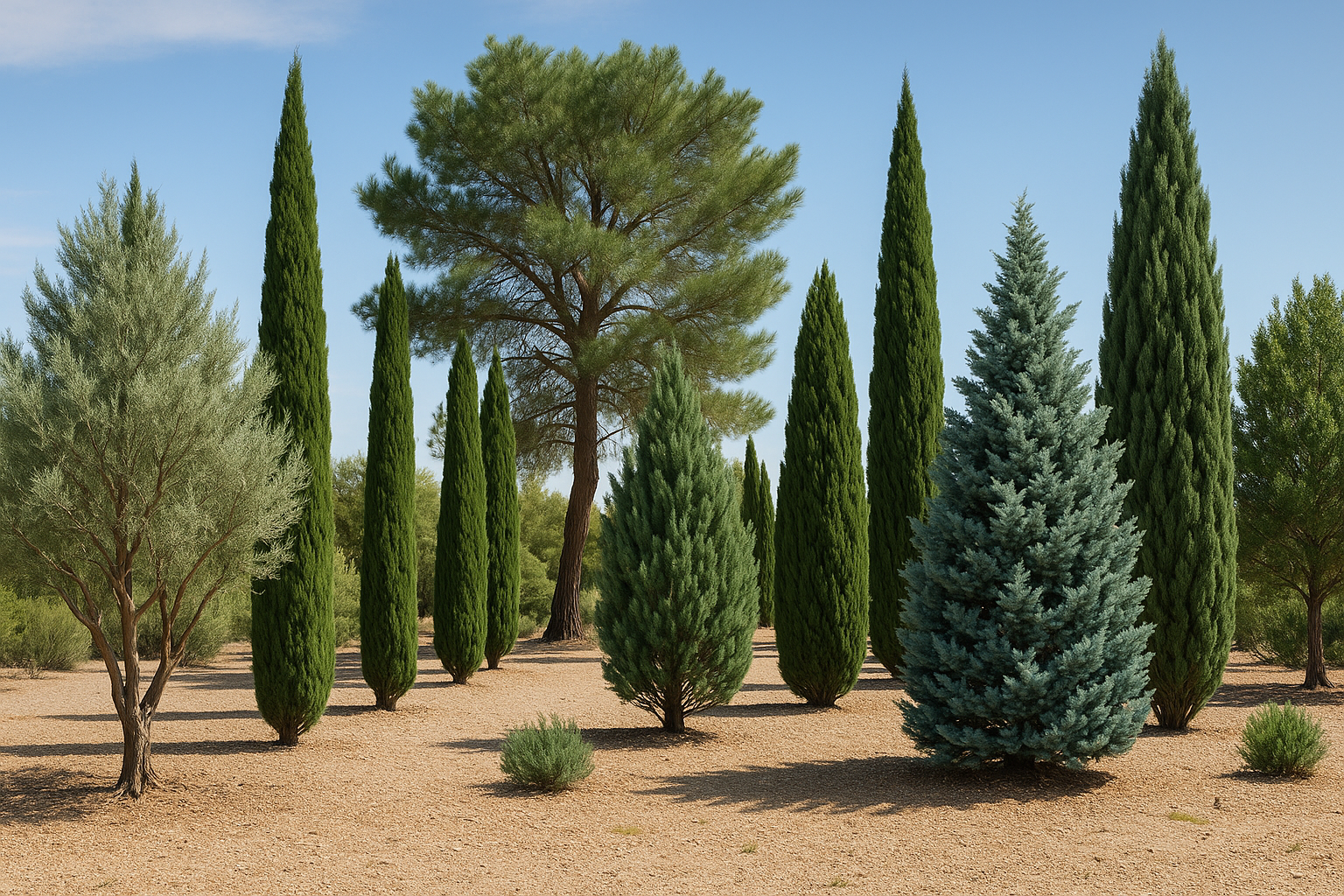
As climate change accelerates and water resources become increasingly strained, the demand for sustainable landscaping practices has never been more critical. Among these practices, the incorporation of drought-tolerant evergreen trees stands out as an elegant solution, providing not just aesthetic beauty but also environmental sustainability. In this extensive exploration, we will delve into the world of drought-tolerant evergreen trees, addressing essential questions and presenting a comprehensive guide to understanding their importance, benefits, selection, and care.
Table of Contents
- What Are Drought-Tolerant Evergreen Trees?
- Why Choose Drought-Tolerant Evergreens?
- Benefits of Drought-Tolerant Evergreen Trees
- Popular Drought-Tolerant Evergreen Tree Varieties
- Key Factors in Selecting Drought-Tolerant Evergreens
- Planting and Care for Drought-Tolerant Evergreen Trees
- Drought-Tolerant Evergreens in Landscape Design
- Frequently Asked Questions (FAQs)
- Conclusion
1. What Are Drought-Tolerant Evergreen Trees?
Drought-tolerant evergreen trees are species that maintain their foliage year-round while exhibiting remarkable resistance to dry conditions. These trees have adapted to survive in environments where water scarcity is a norm, often found in regions with arid or semi-arid climates. Notably, drought-tolerant evergreens possess unique attributes such as deep root systems, reduced leaf surface area, and efficient water retention mechanisms.
Characteristics
- Evergreen Nature: Unlike deciduous trees that shed their leaves seasonally, evergreens retain their foliage throughout the year. This characteristic can enhance privacy, provide shelter for wildlife, and make landscapes visually appealing in all seasons.
- Drought Resilience: These trees often have waxy, needle-like leaves that minimize water loss through transpiration. Many species can also enter a state of dormancy during extreme drought conditions to conserve resources.
- Adaptability: Drought-tolerant evergreens are often able to thrive in a variety of soil types, including sandy and clay soils, making them ideal candidates for diverse landscaping needs.
2. Why Choose Drought-Tolerant Evergreens?
Environmental Impact
As urban development continues to consume natural habitats and water sources, the selection of drought-tolerant evergreens can help mitigate environmental degradation by:
- Reducing Water Usage: By choosing trees that require less water, homeowners and landscapers can significantly reduce irrigation demands, particularly in water-scarce regions.
- Promoting Biodiversity: Native drought-tolerant evergreens support local wildlife by providing habitats and food sources, contributing to ecosystem stability.
- Carbon Sequestration: Trees play a critical role in reducing carbon dioxide levels in the atmosphere. Evergreen trees sequester carbon year-round, making them valuable players in the fight against climate change.
Economic Benefits
In addition to their environmental advantages, drought-tolerant evergreen trees can yield significant economic benefits:
- Lower Maintenance Costs: With reduced watering needs and resilience to pests and diseases, these trees often require less maintenance—saving homeowners time and money.
- Increased Property Value: Strategically placed evergreen trees enhance the aesthetic appeal of a property, thereby increasing its market value.
- Energy Savings: Trees provide shade and windbreaks, reducing indoor heating and cooling costs. According to the Arbor Day Foundation, landscaping with trees can save up to 25% on energy bills.
3. Benefits of Drought-Tolerant Evergreen Trees
Aesthetic Value
Drought-tolerant evergreens provide year-round greenery and texture, serving as essential focal points in any landscape. They come in various shapes, sizes, and colors, allowing for creative landscaping designs.
Soil Erosion Control
By employing deep rooting systems that bind the soil, these trees play a pivotal role in mitigating soil erosion, which is especially vital in hilly or sloped areas.
Wildlife Habitat
Evergreen trees provide critical shelter and food for various birds, insects, and other wildlife. Their dense foliage offers cover from predators and harsh weather conditions.
Climate Adaptation
As global climates continue to shift, planting native and drought-tolerant species can help ecosystems become more resilient. Evergreens in particular are capable of adapting to changing climates, provided they are selected and planted correctly based on local conditions.
4. Popular Drought-Tolerant Evergreen Tree Varieties
Selecting the right drought-tolerant evergreen tree is crucial for ensuring the success of your landscaping project. Here are some popular varieties, complete with their characteristics, uses, and care requirements.
1. Ponderosa Pine (Pinus ponderosa)
- Appearance: Tall with a straight trunk that can reach heights of up to 100 feet.
- Climate Adaptability: Thrives in a variety of soil types, from sandy to clay.
- Uses: Ideal for large landscapes and reforestation efforts due to its height and spreading branches.
2. Western Juniper (Juniperus occidentalis)
- Appearance: Compact growth habit, often used as a low hedge or foundation planting.
- Climate Adaptability: Tolerates poor soils and drought, making it excellent for xeriscaping.
- Uses: Great for boundary plantings and wildlife habitat, as it attracts birds.
3. Blue Spruce (Picea pungens)
- Appearance: A striking blue-green color, conical shape, and stiff needles.
- Climate Adaptability: Prefers well-drained soils; tolerates drought once established.
- Uses: Great in ornamental landscapes or as a specimen tree.
4. Eastern Red Cedar (Juniperus virginiana)
- Appearance: Features aromatic blue-green foliage that can turn reddish in winter.
- Climate Adaptability: Extremely drought-resistant and can thrive in poor conditions.
- Uses: Often utilized for hedges, windbreaks, and privacy screens.
5. Bald Cypress (Taxodium distichum)
- Appearance: Unique, feathery leaves that can tolerate wet and dry conditions.
- Climate Adaptability: Thrives in wetland conditions but also withstands dry spells.
- Uses: Primarily used in parks and landscaping around lakes and ponds.
5. Key Factors in Selecting Drought-Tolerant Evergreens
To select the most appropriate drought-tolerant evergreen trees for your landscape, consider the following factors:
Climate Zone
Understanding your local climate zone can drastically narrow down your tree options. Refer to resources such as the USDA Plant Hardiness Zone Map to identify what species are suitable for your area.
Soil Type
Conduct a soil test to analyze pH levels, nutrient availability, and drainage capabilities. This information is critical in selecting the right tree species, as different evergreens have varying soil preferences.
Sunlight Exposure
Assess your landscape’s sunlight conditions—full sun, partial shade, or deep shade. Most evergreen trees prefer at least 6 hours of sunlight per day.
Maintenance Level
Decide on the amount of care you are willing to perform. Some trees are relatively low-maintenance, while others may require regular trimming or pest control.
Space Availability
Plan for the mature size of the tree. Choose species that can comfortably fit within your available space, avoiding overcrowding with other plants.
6. Planting and Care for Drought-Tolerant Evergreen Trees
Planting Steps
- Site Preparation: Clear the area of debris, weeds, and any old vegetation.
- Digging the Hole: The hole should be twice as wide as the root ball but only as deep as the root ball itself.
- Amend the Soil: If needed, mix your native soil with organic matter to improve drainage, especially if the soil is dense or compacted.
- Planting: Position the tree in the hole, ensuring the root flare is even with the surrounding soil. Backfill the hole with native soil and gently compact around the roots.
- Watering: Water thoroughly after planting to settle the soil and remove air pockets. Depending on the species, water less as the tree establishes itself over time.
Ongoing Care
- Watering: During the growing season, deep watering is preferred—aim for once a week rather than frequent, shallow watering.
- Mulching: Apply organic mulch around the base of the tree to conserve moisture, suppress weeds, and improve soil health.
- Trimming and Pruning: Regularly trim for shape and remove any dead or diseased branches; this will help maintain healthy growth.
7. Drought-Tolerant Evergreens in Landscape Design
Incorporating drought-tolerant evergreens into landscape design can create beautiful and functional outdoor spaces. Here are some design ideas:
1. Windbreaks and Hedges
Planting evergreens in rows can provide a natural windbreak, helping to shield your property from harsh winds while creating privacy.
2. Mixed Borders
Combining drought-tolerant deciduous and perennial plants with evergreens can create interest throughout the seasons. Consider incorporating brightly colored flowering shrubs or ornamental grasses.
3. Rock Gardens
Evergreen trees can serve as anchors in rock gardens, complementing the textures of stone and gravel while requiring minimal watering.
4. Wildlife Gardens
Choosing native drought-tolerant evergreens can foster a lush habitat for local fauna, enhancing biodiversity while creating a serene, natural environment.
8. Frequently Asked Questions (FAQs)
How long do drought-tolerant evergreen trees live?
Most drought-tolerant evergreen species have long lifespans, often ranging from several decades to hundreds of years, depending on the specific species and local conditions.
How much water do these trees need?
Once established, drought-tolerant evergreens generally require minimal watering—typically, a deep watering once a week during dry spells is sufficient.
Do drought-tolerant evergreens require special soil conditions?
While many thrive in poor or rocky soils, it is still crucial to ensure good drainage. Soil quality can vary, so it’s a good practice to amend soil as necessary.
Can I plant drought-tolerant evergreens in small spaces?
Yes, many varieties are compact and suitable for small-space gardening. Always check the mature size of the tree before planting to ensure it fits your space.
Are there specific diseases to watch for?
While drought-tolerant evergreens are generally more resilient, they can still suffer from fungal infections, pests, and diseases. Regular inspection and maintenance can help detect and manage these issues.
Conclusion
Drought-tolerant evergreen trees represent a sustainable choice for landscaping in an era of increasing environmental stresses. Their resistance to dry conditions, aesthetic appeal, and numerous ecological and economic benefits make them an ideal addition to both residential and commercial properties. By educating ourselves and making informed choices, we can cultivate beautiful, resilient landscapes that honor our natural world and help conserve precious resources for generations to come.
So, whether you are a seasoned gardener or a novice landscaper, consider integrating drought-tolerant evergreen trees into your Green Plan. Not only will you be transforming your environment, but you will also be contributing to a more sustainable future.