
As a gardener, you likely cherish the connection with nature, the rhythms of the seasons, and the quiet joys of nurturing plants from seed to harvest. However, often these delightful pursuits are tempered by the unpredictability of weather and seasonal changes. Enter the cold frame—a gardener’s best friend and a wonder of simplicity and efficiency in the world of horticulture. In this article, we will explore the delightful realm of small cold frame gardening, a method that can extend your growing season, protect your plants, and enhance your gardening experience.
What is a Cold Frame?
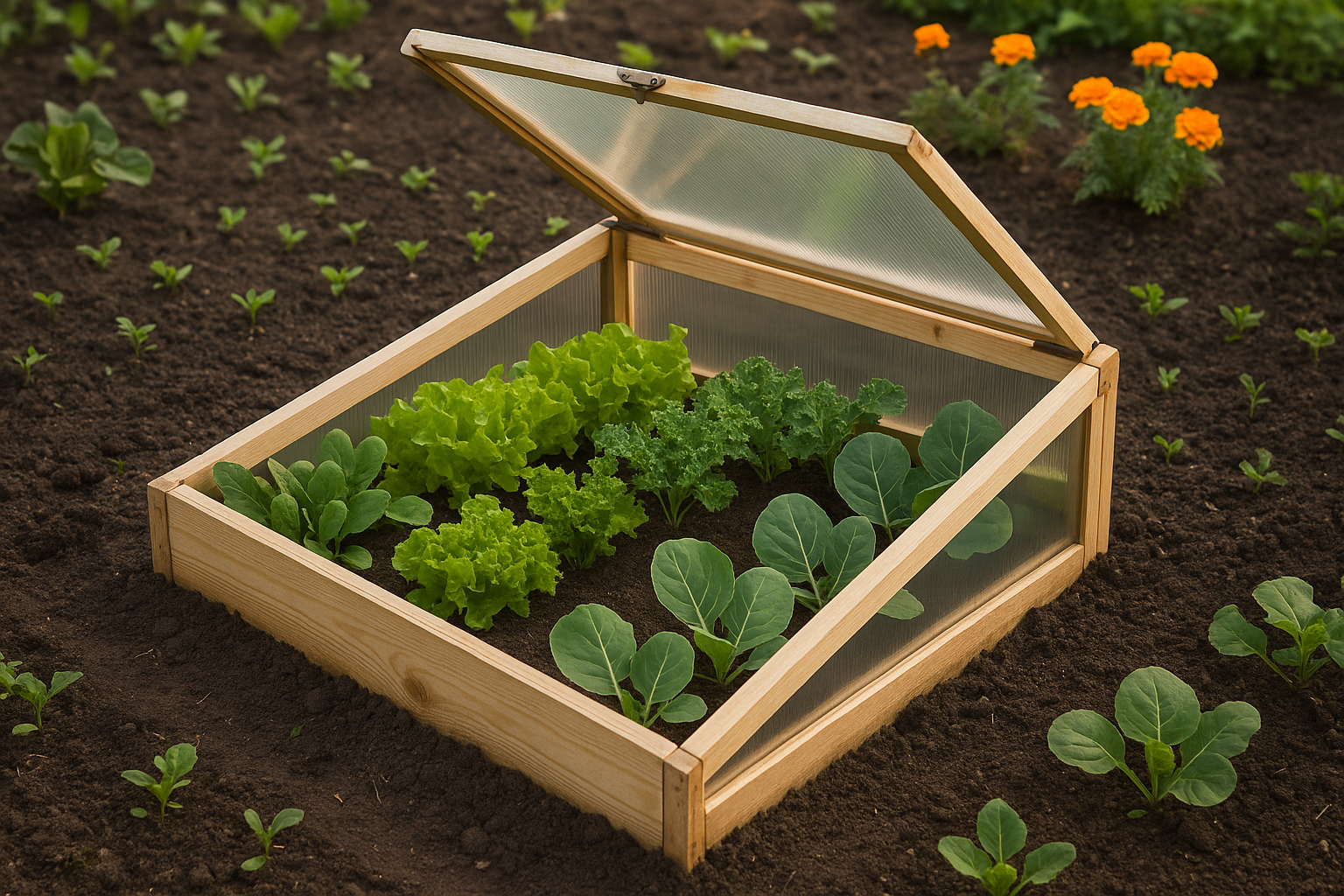
A cold frame is essentially a bottomless box with a transparent lid, allowing sunlight to filter in while providing insulation and protection from harsh weather conditions. Traditionally, cold frames were used to protect tender plants in cooler months, enabling gardeners to start seedlings earlier in the spring and even allow for a few crops in the fall.
The structure of a cold frame can be as simple or sophisticated as you wish, ranging from homemade wooden frames with glass or plastic sheeting to prefabricated models made from recycled materials. A small cold frame can be as quaint as a repurposed window frame placed on a raised bed or a storage crate fitted with clear plastic.
Why Choose a Small Cold Frame?
The benefits of small cold frame gardening are extensive. Let’s dive deeper to understand why you might want to integrate this practice into your gardening routine.
1. Extended Growing Season
The primary advantage of a cold frame is that it allows you to extend your growing season significantly. By trapping heat and moisture, a cold frame can create a more stable microclimate that is conducive to plant growth, enabling you to start seedlings earlier in spring and extend your harvest in late fall.
- How much earlier can I plant?
Typically, you can start your seeds in a cold frame two to four weeks ahead of the outdoor planting season, depending on your local climate and the specific plants. For instance, cool-season crops such as lettuce, kale, and spinach thrive in moderate temperatures, making them ideal candidates for early planting.
2. Protection from Harsh Weather
Cold frames provide a buffer against temperature fluctuations, wind, heavy rain, and even pests. The enclosed space keeps your young plants sheltered from frost and prevents wilting and damage caused by wind.
- Do I need to monitor the temperature inside the cold frame?
Yes, while the cold frame creates a warmer environment, it’s vital to monitor temperature. On sunny days, the interior can heat up rapidly and may need ventilation to prevent plants from overheating.
3. Conservation of Space
Small cold frames are particularly accommodating for gardeners with limited outdoor space. They can be placed on patios, balconies, or small backyards—in any spot that receives adequate sunlight.
- What is the best size for a small cold frame?
The ideal size depends on your available space and the types of plants you want to grow. While a 2×4 foot frame is typical, you could easily adjust dimensions according to your needs. Aim for a height of about 12 to 24 inches to allow for ample growth.
4. Ease of Use and Accessibility
Small cold frames are straightforward and often require minimal tools for assembly. They can serve both as beginner projects for novice gardeners and complex solutions for seasoned horticulturists looking to optimize growing conditions.
- What materials can I use to build a small cold frame?
Common materials include untreated wood for the frame, old windows or plastic sheeting for the lid, and hinges for functionality. The key is to ensure the materials are durable and weather-resistant.
5. Cost-Effective Gardening
Unlike traditional greenhouses, cold frames do not require elaborate setups or ongoing maintenance costs. They can often be constructed using reclaimed materials, which contribute to an eco-friendly, sustainable gardening approach.
- Can I make a cold frame out of recycled materials?
Absolutely! Many gardeners love to get creative by using old windows, doors, or even old pallets. This not only reduces waste but adds character and uniqueness to your garden.
How to Build a Small Cold Frame
Building a small cold frame can be an enjoyable project. Here is a simple step-by-step guide to constructing your own cold frame.
Materials Needed
- Wood: Untreated lumber, such as pine or cedar (for the frame)
- Hinges: For attaching the lid
- Glass or Plastic Sheeting: Old windows, clear plastic panels, or polycarbonate sheets work well
- Screws and Nails: For assembly
- Paint or Stain (optional): To protect the wood
Instructions
-
Construct the Base:
- Decide the dimensions of your cold frame. Cut the wooden boards to form a rectangular base. Ensure the corners are sturdy and square.
-
Create the Sides:
- Cut additional pieces of wood to form the sides of the frame, typically about 12-24 inches high. Secure them with screws or nails.
-
Attach the Lid:
- Use old windows or transparent sheeting to create a lid. The lid should be hinged on one side for easy access. Consider angling it slightly to catch more sunlight.
-
Prep the Interior:
- Place a few inches of good-quality soil or compost inside for planting.
-
Choose the Location:
- Position your cold frame in a sunny spot, ideally with southern exposure to maximize sunlight intake.
-
Maintain the Frame:
- Monitor temperature and adjust the lid to provide ventilation on warm, sunny days.
Best Plants for Cold Frame Gardening
Not every plant will thrive in a cold frame, but many do particularly well. Consider these three categories: cool-season crops, herbs, and tender perennials.
1. Cool-Season Crops
These crops thrive in cooler conditions and can be planted early in the spring or late in the fall.
- Lettuce: Various varieties of lettuce flourish in cold frames, offering fresh leaves before the garden season starts.
- Spinach: Like lettuce, spinach can be sown early, and the cold frame helps it grow before the hot weather sets in.
- Kale: This hearty green can withstand frost and will continue to grow in cooler temperatures.
2. Herbs
Many herbs can also benefit from the protection of a cold frame.
- Parsley: Can be sown early in the cold frame for fresh flavor in your cooking.
- Chives: These perennials can thrive in the cold frame, providing you with early green shoots.
3. Tender Perennials
If you have tender perennials that you want to maintain over winter, a cold frame can safeguard them from extreme frost.
- Strawberries: Protecting strawberry plants in a cold frame can allow for an extended harvest.
- Lavender: You can start lavender seeds or cuttings in early spring in the warmth of a cold frame.
Addressing Common Concerns
1. How Do I Ventilate a Cold Frame?
Venting is crucial. Ideally, a hinged lid should be propped open on sunny days to prevent overheating. Some gardeners even incorporate additional vents or a second layer with adjustable openings.
2. Can I Use Grow Lights Inside My Cold Frame?
Certainly, especially during late winter or early spring when daylight hours are shorter. LED grow lights can boost light levels without adding excessive heat.
3. How Do I Manage Pests and Diseases in a Cold Frame?
Keep an eye out for aphids, slugs, and fungal diseases. Regular monitoring and employing organic pest control measures, like neem oil or insecticidal soap, can help ensure your plants remain healthy.
4. What Should I Do If Temperatures Drop Below Freezing?
During severe cold snaps, covering the frame with additional insulation—such as bubble wrap or blankets—can help retain warmth.
The Psychological Benefits of Cold Frame Gardening
Gardening isn’t just about plants; it’s an emotional and mental journey. Engaging in cold frame gardening can significantly boost your mental well-being and foster resilience.
1. Stress Relief
Being in the garden, nurturing plants, and working with nature has been proven to reduce stress and anxiety. Cold frame gardening allows you to engage with your hobby longer, leading to a greater sense of accomplishment.
2. A Sense of Community
Cold frame gardening can lead to discussions with fellow gardeners, community events, or gardening clubs where sharing knowledge and tips can enrich your experience.
3. Mindfulness
Working with a cold frame encourages a mindful gardening practice, where you can focus on the sensory enjoyment of planting, nurturing, and eventually harvesting your crops.
Conclusion
Small cold frame gardening is a treasure trove of opportunities, allowing you to maximize your garden’s potential while cultivating joy and relaxation. From extending the growing season to protecting delicate plants, the small cold frame is an invaluable tool that enhances gardening experience.
So whether you’re a seasoned gardener or a newcomer eager to explore the green world, the embrace of a small cold frame is waiting to transform your gardening journey. With a bit of creativity, your cold frame can reflect not just your dedication to gardening but also your passion for nurturing life in whatever small space you have.
With this guide, you not only have the knowledge to build and maintain a small cold frame but also the inspiration to make it a significant part of your gardening adventure. Happy gardening!