
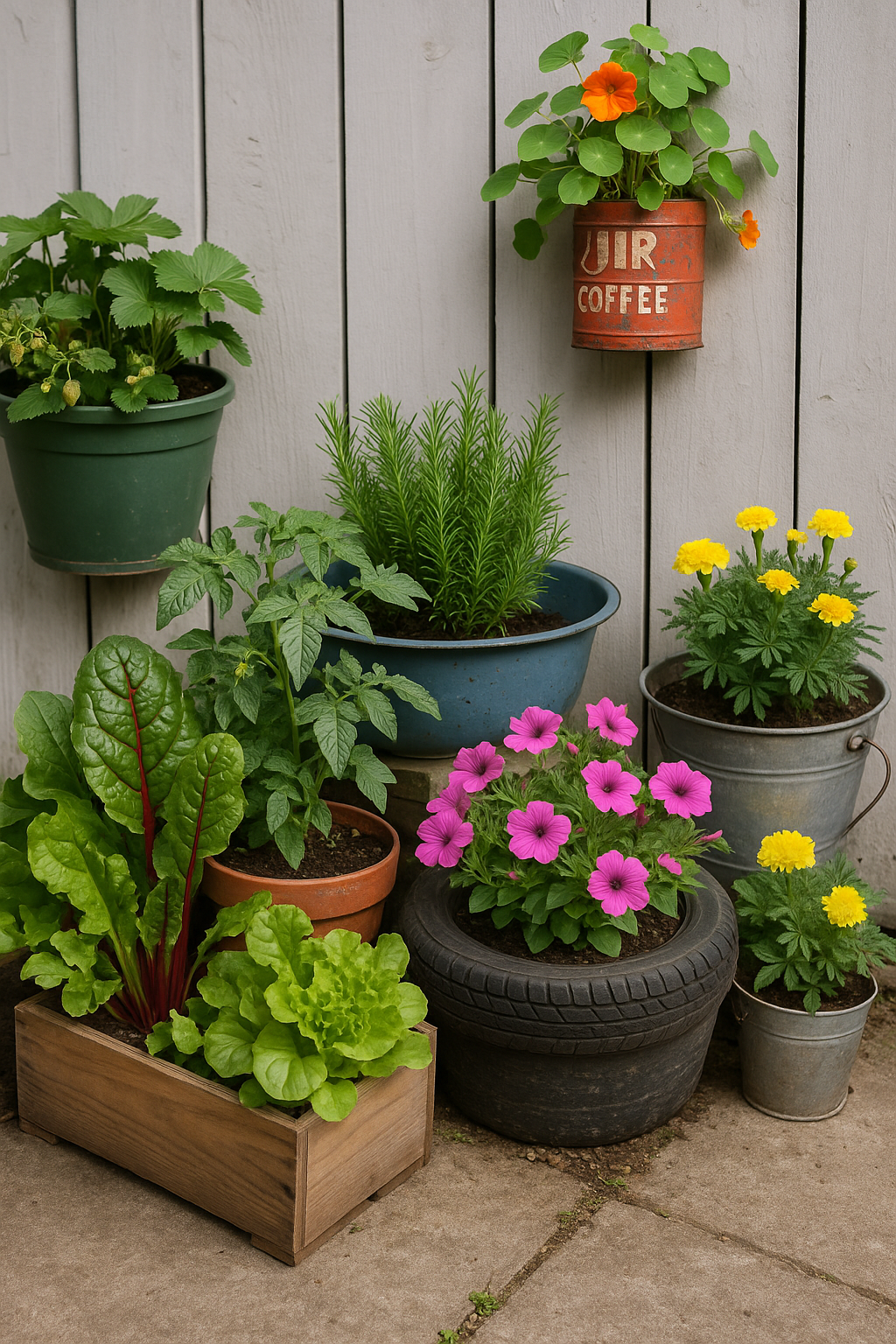
In recent years, container gardening has gained massive popularity as a practical and aesthetically pleasing way to grow plants, fruits, vegetables, and herbs. With urban living spaces shrinking and the necessity for sustainable food sources increasing, the art of container gardening has become not just a hobby but a lush, green lifeline. Notably, container gardening is not just limited to those with expansive spaces; it can flourish in balconies, patios, windowsills, and even small backyards.
The best part? Growing your own food in containers can be achieved on a budget. In this article, we delve into the essentials of inexpensive container gardening, tackling various questions to help you grow a thriving garden even when finances are tight.
Table of Contents
- What is Container Gardening?
- Why Choose Container Gardening?
- Essential Tools and Supplies for Container Gardening
- Choosing Containers: Budget-Friendly Options
- Soil and Fertilizer: Finding Affordable Alternatives
- Selecting the Right Plants for Container Gardening
- Watering and Maintenance Without Spending Much
- DIY Container Gardening Projects
- Common Challenges and Solutions
- Conclusion: Embracing the Green Thumb on a Budget
1. What is Container Gardening?
Container gardening is the practice of growing plants in pots or other containers instead of directly in the ground. Whether you are planting flowers, vegetables, or herbs, this method allows greater control over soil quality, drainage, and sunlight exposure. Container gardening can accommodate various climates and locations, making it an accessible option for everyone, including those with limited gardening experience.
2. Why Choose Container Gardening?
Benefits of Container Gardening
- Flexibility: You can move containers to optimize sunlight exposure or protect vulnerable plants from harsh weather conditions.
- Space-Saving: Perfect for small spaces, container gardening maximizes what little outdoor area you have.
- Pest Control: Containers can provide a barrier against pests and weeds, making it easier to manage.
- Aesthetics: Attractive planters can enhance the beauty of your space, adding color and vibrancy.
3. Essential Tools and Supplies for Container Gardening
Creating a container garden on a budget does not mean compromising on quality. However, a few essential tools are helpful:
- Containers: As we will discuss later, these can be low-cost or even free.
- Soil: Quality potting soil is important for plant health.
- Watering can: Essential for keeping your plants hydrated.
- Garden trowel: Useful for digging and planting.
- Pruners: To maintain your plants and remove dead foliage.
Most importantly, start with just a few plants and gradually expand as you gain confidence and experience.
4. Choosing Containers: Budget-Friendly Options
The type of container you use does not have to be expensive. Here are several budget-friendly options:
- Repurposed items: Old buckets, tin cans, and wooden crates can become great planters with a bit of creativity.
- Plastic containers: When sourced smartly, you can often find affordable large plastic containers or pots at garden centers or dollar stores.
- Clay pots: While they can sometimes be expensive, consider buying them during sales or at thrift stores for significant savings.
- DIY containers: Create your own from recycled materials—cut open old plastic bottles or fashion boxes from pallets.
When choosing containers, ensure they have drainage holes to prevent soggy soil, which can lead to plant rot. Drill holes if necessary!
5. Soil and Fertilizer: Finding Affordable Alternatives
Quality soil is crucial for successful container gardening. However, that doesn’t mean you need to purchase the most expensive brand. Here’s how you can save on soil and fertilizer:
- Bulk Buying: Purchase your potting soil from garden centers or nurseries in bulk. This can bring the cost per cubic foot down significantly.
- Homemade compost: If you have kitchen scraps (vegetable peels, eggshells, etc.), you can create compost at home. Compost enriches soil and is a cost-effective way to provide necessary nutrients.
- Recycled materials: Use coffee grounds, banana peels, or shredded leaves as natural fertilizers. They are free and help in enriching your soil bank.
6. Selecting the Right Plants for Container Gardening
Choosing the right plants can make or break your container gardening experience. When working with a budget, consider the following:
- Seeds vs. Seedlings: Seeds are generally cheaper than buying mature plants. Starting from seeds allows you to grow many more plants for the same cost. Start with easy-to-sow plants like radishes, lettuce, or herbs.
- Companion Planting: Some plants can thrive together, helping each other grow. For example, marigolds repel certain pests and improve tomato plant resilience.
- Perennials vs. Annuals: Some plants, like strawberries or herbs, can come back year after year, reducing future planting costs.
Suggested Plants for Beginners:
- Herbs: Basil, cilantro, parsley, and mint are easy to grow in small containers and are often expensive to buy.
- Vegetables: Lettuce, radishes, and cherry tomatoes thrive in pots and yield continuous produce.
- Flowers: Marigolds, petunias, and pansies add color and beauty without breaking the bank.
7. Watering and Maintenance Without Spending Much
Knowing how and when to water your plants ensures a healthy garden. Here are economical tips:
- Rainwater collection: Utilize rain barrels to collect water, providing a free source of irrigation.
- Drip irrigation systems: Create a simple homemade drip irrigation system with plastic bottles. This method releases water slowly and uses less than typical watering methods.
- Mulching: Adding mulch (like shredded leaves or straw) around your plants will help maintain moisture in the soil and reduce the need for frequent watering.
Routine maintenance is crucial for healthy growth. Familiarize yourself with each plant’s specific needs regarding sunlight, watering, and feeding.
8. DIY Container Gardening Projects
Creating your own containers can be a fun and creative endeavor. Here are some DIY container ideas you can undertake without spending much:
- Painted Cans: Use empty food cans, clean them up, and paint them vibrantly for herb gardens.
- Pallet Planters: If you have access to wooden pallets, transform them into vertical planters. Simply nail boards together and fill them with potting soil.
- Hanging Planters: Old teacups or mason jars can be turned into hanging planters. A bit of jute and creativity can yield charming results.
9. Common Challenges and Solutions
As with any garden, container gardening isn’t without its challenges. Here are some common issues gardeners face, along with affordable solutions:
- Overwatering: Container plants need different watering than in-ground plants. To avoid excess water, gauge soil moisture before watering.
- Limited Nutrients: Regularly replenish nutrients by top-dressing your soil with compost or homemade fertilizers.
- Pests: For pest control, mix up a simple soap spray or introduce beneficial insects like ladybugs to your garden.
10. Conclusion: Embracing the Green Thumb on a Budget
Container gardening is an empowering pursuit that can yield beautiful blooms and bountiful harvests, all while being gentle on your wallet. By embracing a frugal mindset, repurposing containers, sourcing affordable soil, and selecting the right plants, anyone can start their own container garden.
The joy of watching your plants grow, the satisfaction of harvesting your own food, and the beauty of a vibrant garden can enrich your life immensely. Additionally, nurturing a green space fosters a connection with nature and can be a meditative practice in our fast-paced world.
So, roll up your sleeves, dust off those plastic containers, and embark on a journey toward eco-friendly living by starting your inexpensive container garden today. You may just surprise yourself with how much joy a little dirt and greenery can bring!