
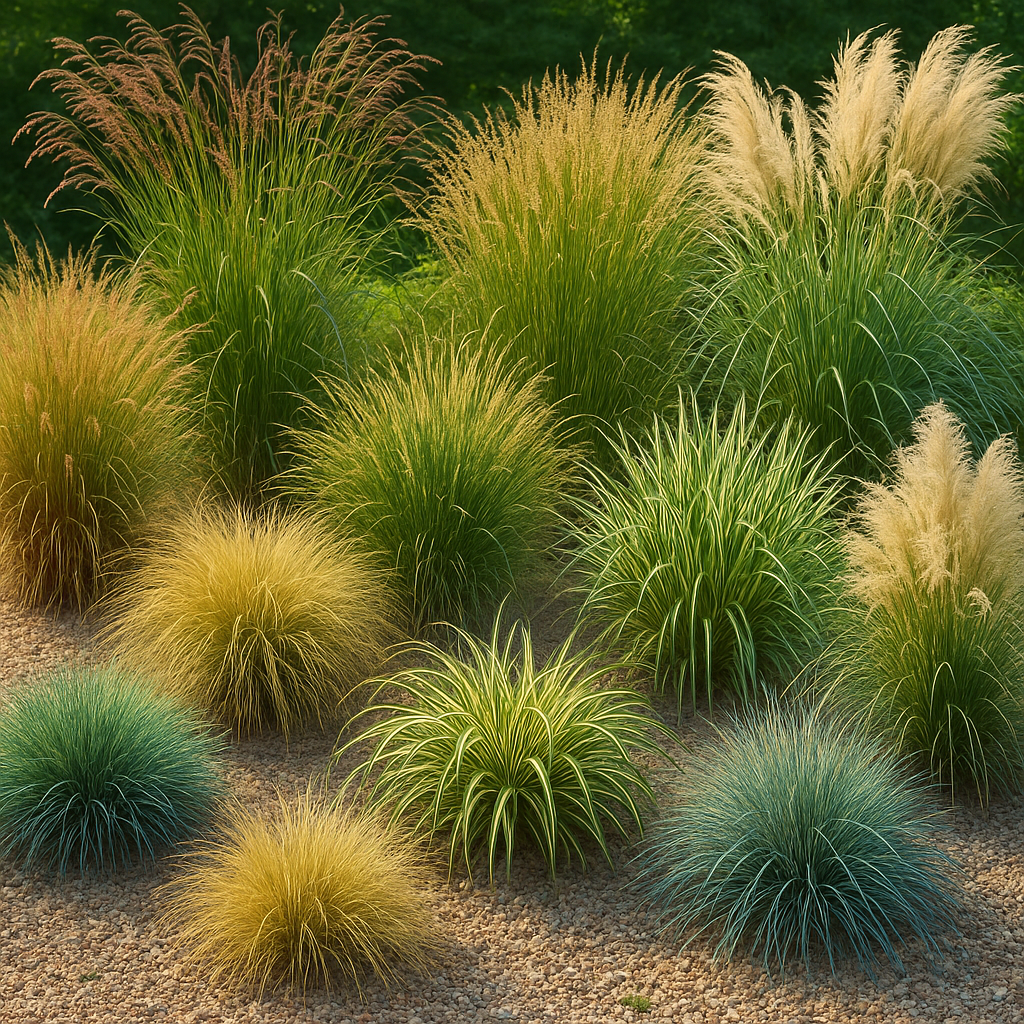
In an ever-changing climate, where water scarcity is becoming a pressing global issue, gardeners and landscape designers are continually seeking sustainable solutions. Among these, drought-tolerant ornamental grasses have emerged as not only practical but also aesthetically appealing options for gardens and landscape design. This in-depth article will explore the benefits, characteristics, and care of drought-tolerant ornamental grasses, as well as answer common questions that enthusiasts and novices alike might have.
What are Drought-Tolerant Ornamental Grasses?
Drought-tolerant ornamental grasses are varied species of grass that have adapted to survive in low-water environments. These grasses thrive in conditions typically characterized by dry soil, limited rainfall, and direct sun, offering versatility for numerous landscaping applications. From yard borders to accent pieces, these grasses add texture and movement to gardens while contributing to sustainable gardening practices.
Why Choose Drought-Tolerant Ornamental Grasses?
-
Water Conservation: The most significant advantage of utilizing drought-tolerant grasses is their minimal water requirement. These grasses can survive on significant rainfall deficits, allowing homeowners to conserve precious water resources.
-
Low Maintenance: Generally, drought-tolerant plants require less maintenance than traditional landscaping options. They are more resistant to pests and diseases, reducing the need for chemical interventions.
-
Aesthetic Appeal: Ornamental grasses provide diverse textures, colors, and movement to landscape design. They can complement other plants or stand alone as striking focal points.
-
Ecological Benefits: Grasses provide habitats for wildlife, aid in reducing soil erosion, and contribute to the biodiversity of gardens by attracting beneficial insects.
-
Soil Improvement: The deep root systems of many drought-tolerant grasses help improve soil structure over time, enhancing its ability to retain moisture and nutrients.
Understanding Drought-Tolerant Ornamental Grasses
Characteristics
Drought-tolerant ornamental grasses vary extensively in terms of size, shape, color, and growth habit. Common characteristics include:
-
Deep Root Systems: This critical adaptation enables grasses to access moisture and nutrients from deeper soil layers, allowing them to thrive under drought conditions.
-
Leaf Structure: Many of these grasses have narrow, slender leaves that reduce water loss. Others offer a thicker leaf texture to withstand heat stress.
-
Growth Habit: Ornamental grasses may be clumping or spreading. Clumping grasses form a mound-like shape, while spreading types may cover ground more liberally.
Popular Varieties
-
Blue Fescue (Festuca glauca): This compact grass features stunning blue-green foliage, growing to about 12-18 inches tall. It thrives in well-drained soils and requires very little water once established.
-
Panicum Virgatum (Switch Grass): This versatile native grass reaches heights of 3-6 feet and has a graceful appearance. Its ability to thrive in various soil types makes it suitable for numerous landscapes.
-
Miscanthus Sinensis (Eulalia Grass): Known for its feathery plumes and striking height of 4-10 feet, this grass offers both beauty and drought resistance. It’s particularly suited for sunny areas.
-
Calamagrostis Acutiflora (Karl Foerster Grass): A popular ornamental grass that grows around 4-5 feet tall. With its vertical growth habit and plumes that remain upright, it adds stature and softness to landscapes.
-
Muhlenbergia Capillaris (Pink Mulhy Grass): Known for its cloud-like pinkish plumes that appear in late summer, this grass is a significant beauty in gardens and reaches heights of 2-3 feet.
Frequently Asked Questions
1. How do I choose the right drought-tolerant ornamental grass for my garden?
Choosing the right grass involves considering your climate, soil conditions, and the specific look you want to achieve. Begin by evaluating the sunlight and moisture levels in your garden. Then, research the growth habits and requirements of different grass species. Consider the design you envision; do you prefer a cohesive look or diverse textures and heights?
2. When is the best time to plant drought-tolerant grasses?
The optimal planting time largely depends on the climate zone. In general, spring and early fall are ideal. Planting in spring allows roots to establish before the heat of summer, while fall planting can help grasses establish before winter dormancy.
3. Do drought-tolerant grasses require any fertilizer?
While many drought-tolerant grasses thrive in poor soil, a balanced slow-release fertilizer can encourage healthy growth during initial establishment. Avoid over-fertilizing, which can lead to excessive growth and increased water needs.
4. How much water do these grasses need?
Once established, most drought-tolerant grasses require only supplemental water during severe drought. Newly planted grasses may need regular watering until their root systems develop. A good rule of thumb is to water once a week during dry spells or until established.
5. Are drought-tolerant ornamental grasses difficult to care for?
Despite their ability to withstand dry conditions, these grasses still require some care. Regular maintenance includes cutting back spent foliage in early spring, checking for pests, and ensuring their growing conditions are favorable. However, their resilience often means less intervention is needed than with conventional garden plants.
6. Can I combine drought-tolerant grasses with other plants?
Absolutely! Ornamental grasses pair beautifully with a variety of plants, including perennial flowers, shrubs, and even other grasses. Consider the height and spread of grasses to ensure harmony in your design. Planting them alongside native flowering plants can enhance both beauty and ecological benefits.
7. What soil types are best for drought-tolerant grasses?
Drought-tolerant grasses are highly adaptable. Most prefer well-drained soil, but many can tolerate poor or compacted soils. Aim for a pH range of 6.0 to 7.0 for optimal growth. Good drainage is crucial to prevent root rot in wet conditions.
Techniques for Designing with Drought-Tolerant Ornamental Grasses
1. Layering for Texture:
Ornamental grasses can create dramatic effects when layered. Tall grasses can serve as backdrops, while shorter varieties can fill in the foreground, creating visual depth. For example, pairing Miscanthus Sinensis with Blue Fescue can enhance both height and texture.
2. Mass Planting:
Consider planting large groups of a single variety to create a bold statement. Mass plantings of grasses like Karl Foerster Grass can lead to striking visual impact in a landscape, particularly when the wind creates movement.
3. Color Contrasts:
Grasses with variegated leaves or unique colors can complement blooming flowers. The cool tones of blue fescue can offset warmer colored flowers, while hues of green can enhance the vibrancy of adjacent plants.
4. Seasonal Interest:
Many ornamental grasses change dramatically with the seasons. Consider their attributes throughout the year when designing. Planting grasses like Muhlenbergia Capillaris, which have stunning plumes in fall, ensures your garden remains dynamic.
5. Creating Windbreaks or Screens:
Use taller grasses as natural privacy screens or windbreaks. They can effectively break winds, serving as a natural barrier and enhancing comfort in outdoor spaces.
6. Paths and Borders:
Use ornamental grasses along walkways or garden edges to create a soft transition from paths to planting beds. The gentle sway of grasses can create a calming effect and guide visitors through the garden.
Native vs. Non-native Drought-Tolerant Grasses
When selecting decorative grasses, you must decide between native and non-native varieties. Native grasses are naturally adapted to local environmental conditions and play a crucial role in local ecosystems. They require little maintenance and help sustain local wildlife.
On the other hand, non-native species can offer unique aesthetics or specialized attributes. Some non-native grasses have been bred for specific performance qualities, such as drought tolerance or color. However, they can sometimes become invasive, disturbing local ecosystems.
Conclusion
Drought-tolerant ornamental grasses are a wonderful addition to gardens and landscapes, providing both beauty and sustainability. Their diverse attributes, minimal water requirements, and ecological benefits make them suitable for various gardening situations and climate conditions. As you embark on your journey to incorporate these grasses into your landscape, embrace the creativity and flexibility they offer. With careful selection and design, drought-tolerant ornamental grasses can transform your garden into an oasis of color and texture while conserving vital water resources.
By understanding their characteristics and implementing thoughtful design techniques, gardeners can enjoy the beauty of these resilient plants while contributing to a sustainable future.