
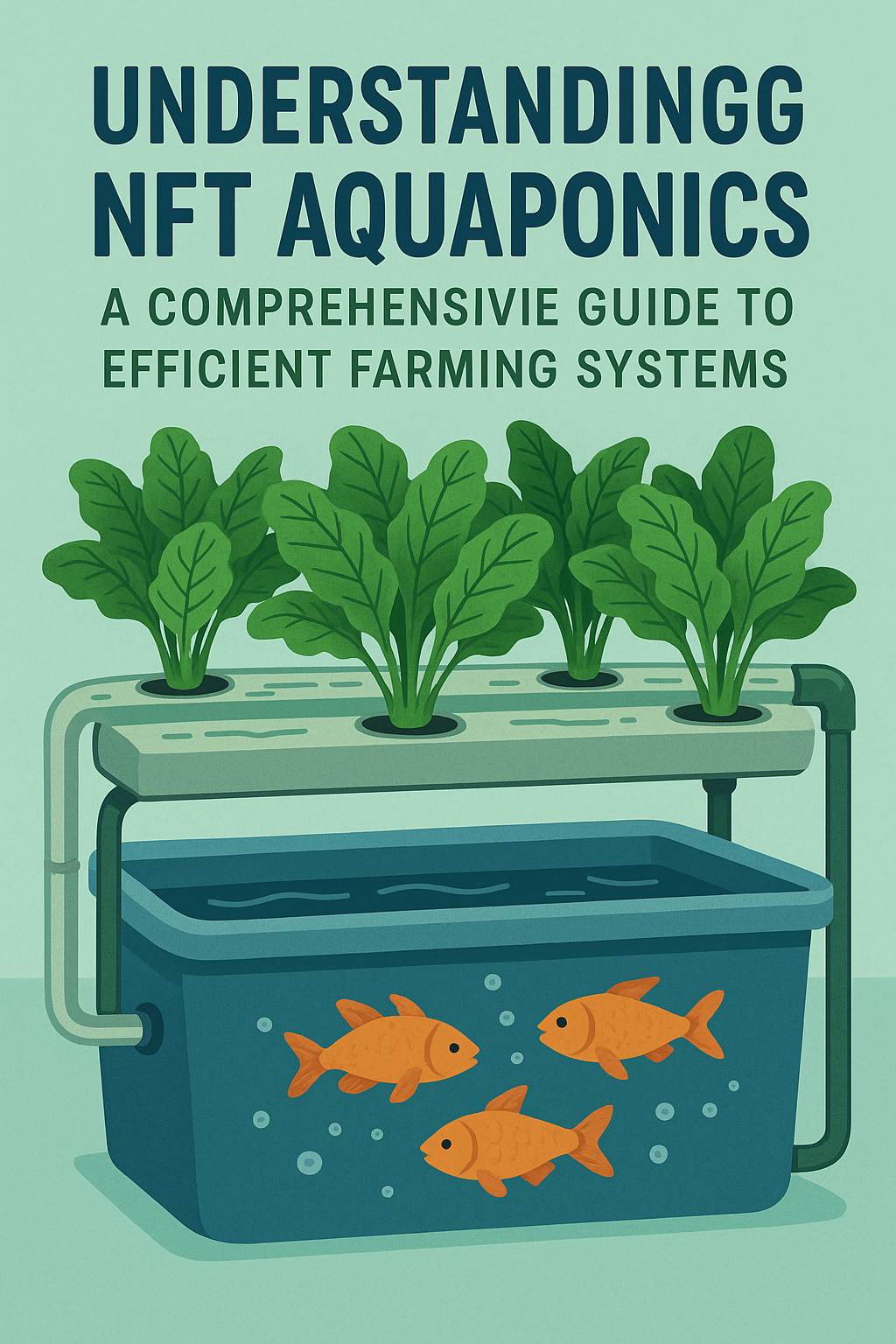
In recent years, the agricultural sector has faced immense challenges globally, including climate change, soil degradation, and a rapidly growing population demanding more food. In light of these issues, innovative systems like Aquaponics have emerged as promising solutions to sustainable food production. Among the various aquaponic systems, Nutrient Film Technique (NFT) aquaponics stands out due to its efficiency and adaptability. This article offers an in-depth look at NFT aquaponics, addressing common questions and exploring its potential to transform the future of sustainable agriculture.
What is NFT Aquaponics?
Definition and Mechanism
NFT aquaponics combines aquaculture (raising fish) and hydroponics (growing plants without soil) in a symbiotic environment. The Nutrient Film Technique (NFT) is characterized by a thin film of nutrient-rich water that continuously flows over plant roots. This method delivers essential nutrients from fish waste while maintaining optimal moisture levels for plants. In an NFT aquaponics system, the nutrients produced by fish are filtered and transformed to assist plant growth.
The Core Components of NFT Aquaponics
-
Fish Tanks: The heart of the aquaculture component, where fish like tilapia, catfish, or trout are raised. The fish produce waste that serves as organic fertilizer for the plants.
-
Biofilter: A crucial system that converts harmful fish waste (ammonia) into nitrates that plants can utilize. This process is facilitated by beneficial bacteria that break down waste.
-
Plant Growing Channels: Shallow, sloped troughs (often made of PVC or other water-resistant materials) where plants are grown. The nutrient-rich water flows over the roots.
-
Water Circulation System: A pump system is designed to circulate water from the fish tank to the growing channels, and back into the fish tank, ensuring continuous flow.
-
Aeration System: Oxygen is essential for both fish and plant health; therefore, an aeration system ensures that the water remains well-oxygenated.
The Benefits of NFT Aquaponics
Sustainability
-
Water Conservation: NFT systems use significantly less water than traditional agriculture, as water is recirculated and reused in the system. While conventional farming can use up to 1,800 gallons of water to grow a single pound of certain crops, aquaponics can reduce that water usage by up to 90%.
-
Reduced Chemical Usage: Since fish waste serves as a natural fertilizer, there is minimal need for chemical fertilizers or pesticides, resulting in healthier produce and a reduced environmental footprint.
High-Yield Production
-
Faster Growth Rates: Plants in aquaponic systems tend to grow faster than those in soil due to enhanced nutrient availability. Fish waste provides a steady stream of nitrogen, one of the primary nutrients plants require.
-
Year-Round Cultivation: NFT aquaponics allows for year-round growing conditions since it can be set up indoors or in controlled environments. This makes it a reliable source of fresh produce even in off-seasons.
Space Efficiency
-
Vertical Space Utilization: NFT aquaponics can be designed vertically, allowing for more efficient use of space and reducing the overall land required to produce food.
-
Urban Farming Potential: The compact nature of NFT systems makes them well-suited for urban environments, bridging the gap between food production and local consumption.
Diverse Crop Production
NFT aquaponics is not limited to leafy greens; various herbs, fruits, vegetables, and even flowers can thrive in aquaponic systems. This diversity allows farmers and hobbyists to cater to different markets and palettes.
Frequently Asked Questions About NFT Aquaponics
How does the nutrient cycling work in NFT aquaponics?
In NFT aquaponics, nutrient cycling occurs through the interplay between fish, plants, and beneficial bacteria. First, fish produce waste containing ammonia, which is toxic at high levels. Beneficial bacteria in the biofilter convert ammonia into nitrites and then into nitrates—forms that plants can readily absorb. With the plants taking up these nutrients, the water is cleaned before it is sent back to the fish tank, creating a closed-loop system.
What types of fish are suitable for NFT aquaponics?
Common fish species suitable for NFT aquaponics include:
- Tilapia: Hardy, fast-growing, and tolerant of varying water conditions.
- Catfish: Adaptable, with a strong market presence.
- Rainbow trout: Prefers cooler water and is a favorite for many aquaponic growers.
- Goldfish: Often used in educational settings or smaller systems due to their resilience and ease of handling.
What plants work well in NFT aquaponics?
While NFT systems can accommodate various plant types, the best within this system are typically fast-growing, shallow-rooted plants. Common options include:
- Lettuce: A staple in hydroponic and aquaponic systems due to its quick growth.
- Herbs: Basil, mint, and cilantro thrive in nutrient-rich conditions.
- Strawberries: With proper care, they yield high rewards and fit well in NFT channels.
Plants like tomatoes and peppers can also be grown, though they tend to have more extensive root systems and may require adaptations within the growing channels.
What infrastructure and initial investment are required?
Setting up an NFT aquaponics system can be done on various scales, from small home setups to large commercial installations. The primary costs include:
- Fish tanks: Depending on the size and material (plastic, fiberglass, etc.).
- Pumps and aeration systems: Critical for maintaining water flow and oxygen levels.
- Growing channels: PVC pipes or troughs where plants will grow.
- Biofilters: Often custom-designed or purchased as a pre-fabricated unit.
Initial investments can range from a few hundred dollars for home systems to several thousand for industrial setups.
What challenges do NFT aquaponics systems face?
Like any agricultural system, NFT aquaponics also has its challenges:
-
Technical Knowledge: Understanding the balance required between fish and plants, as well as knowledge of water quality management, can be challenging for beginners.
-
Pest and Disease Management: Keeping plants healthy without pesticides requires vigilant monitoring and understanding of pest management strategies.
-
System Maintenance: Regular maintenance of pumps, tanks, and filters is essential to prevent system failures.
-
Temperature and Water Quality Control: Factors like temperature fluctuations and water quality changes can drastically impact fish health and plant growth.
Is NFT aquaponics accessible to beginners?
Absolutely! While technical knowledge significantly enhances the success of an NFT aquaponics system, many resources are available for beginners. Online tutorials, courses, and community forums provide ample information to set up your own system. Additionally, many local agricultural extension offices offer workshops and support for aspiring aquaponic growers.
Environmental Impact of NFT Aquaponics
Reducing Carbon Footprint
By sourcing food directly where it’s consumed, NFT aquaponics minimizes transportation emissions associated with bringing produce from farms to urban areas. This localized food production contributes significantly to reducing the overall carbon footprint while ensuring that communities have access to fresh, nutritious food.
Supporting Biodiversity
Traditional agriculture, particularly monoculture practices, can threaten biodiversity. NFT aquaponics promotes crop diversity, which enhances resilience against pests and diseases. A diverse range of crops can also attract beneficial insects and pollinators, supporting a healthier ecosystem.
Circular Economy
NFT aquaponics epitomizes the principles of a circular economy. With waste from one component (fish production) serving as the resource for another (plant growth), it effectively closes the loop. This model encourages more sustainable use of resources, reducing reliance on external inputs.
Case Studies: Successful NFT Aquaponics Ventures
Urban Growers Collective (Chicago, USA)
This successful urban agricultural initiative has embraced aquaponics to provide access to fresh produce in food deserts. By utilizing NFT aquaponics, UGC has increased local food production while educating the community about sustainable practices. Their model showcases the feasibility of NFT systems in urban settings and demonstrates how local farms can meet the demands of nearby consumption.
Plant Chicago
Plant Chicago operates a community-focused aquaponics farm utilizing the NFT method to produce a wide range of crops. They exemplify how aquaponics can be integrated into community-building efforts, offering workshops, educational programs, and fresh produce to local residents.
The Future of NFT Aquaponics in Global Agriculture
As the urgency for sustainable food production intensifies, NFT aquaponics presents a viable and attractive option for urban and rural environments alike. The method offers resilience against climate-related challenges while promoting local food systems.
Emerging Technologies
Advancements in technology could further elevate NFT aquaponics. For example, integrating artificial intelligence for monitoring water quality and environmental conditions could enhance system efficiency. Additionally, innovations in aquaponic design and new strains of crops could increase yields.
Policy Support
Policies supporting sustainable agricultural methods, including aquaponics, will play a vital role in scaling these systems. Grants, subsidies, and research funding could encourage more individuals and businesses to adopt NFT aquaponics, making it a mainstream agricultural practice.
Education and Community Engagement
For NFT aquaponics to flourish, education and community involvement are essential. Schools, NGOs, and government programs promoting aquaponics will serve to inform and inspire future generations of growers who will carry these practices forward.
Conclusion: A Bright Future for NFT Aquaponics
NFT aquaponics represents a remarkable convergence of aquaculture and hydroponics, embodying innovative solutions for modern agriculture’s pressing challenges. With its numerous benefits—ranging from water conservation to reduced chemical usage—NFT aquaponics holds the promise for a sustainable future in food production.
As communities and individuals become more informed about the potential of NFT aquaponics, we may see a significant shift in how we approach agriculture. The opportunities it presents for local food production, environmental conservation, and economic sustainability can pave the way for a new era in farming, where both fish and plants thrive in harmony, yielding benefits for producers, consumers, and the planet alike.
In sum, NFT aquaponics not only ensures efficient use of resources but also empowers individuals to take an active role in their food systems, fostering resilience and sustainability for generations to come. As we continue to explore and innovate within this field, the future certainly looks bright for NFT aquaponics.