
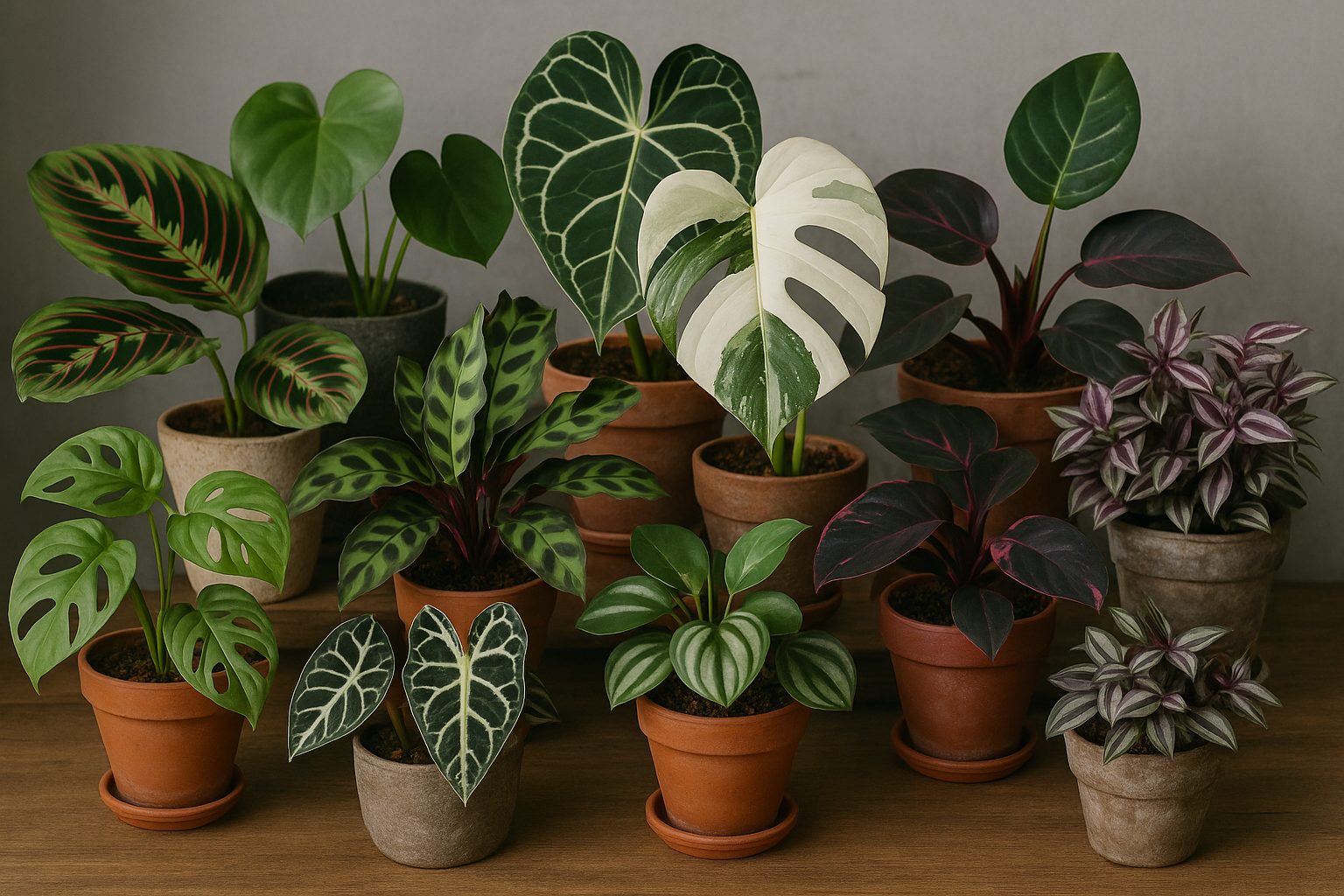
Unearthing the Charm of Rare Houseplants: A Comprehensive Guide
In the vast universe of houseplants, there exists a niche that captivates the hearts of enthusiasts—from casual plant lovers to dedicated collectors: rare houseplants. Not just ordinary green accompaniments to our living spaces, rare houseplants bring a unique depth and elegance, often entwined with intriguing stories and rich history. This article delves deep into the world of rare houseplants, examining their appeal, care requirements, and answering common questions to help you navigate this verdant frontier.
What Makes a Houseplant “Rare”?
Before we explore the gems of the plant world, it’s essential to clarify what constitutes a “rare” houseplant. Typically, a houseplant is considered rare if it is not widely available in the general market or if it has limited distribution due to specific growing conditions, propagation difficulties, or a restricted geographical range. Factors that contribute to a plant’s rarity include:
-
Limited Geographic Range: Some plants only grow in specific regions, making them difficult to source. For instance, certain tropical plants may only thrive in specific rainforests.
-
Endangered Status: Many species are threatened or endangered due to habitat loss, conservation efforts, and regulations that restrict their availability.
-
Propagation Challenges: Some plants are inherently difficult to propagate, leading to lower numbers available for sale.
Understanding these factors not only adds to the allure of rare houseplants but also instills a sense of responsibility in their care and conservation.
The Allure of Rare Houseplants
-
Aesthetics and Uniqueness: Rare houseplants often exhibit unique colors, shapes, and growth patterns. For instance, the vibrant hues of a variegated Monstera or the intricate leaves of a Philodendron Gloriosum can be conversation starters, elevating interior aesthetics.
-
Collectibility: Plant collecting is a fulfilling hobby for many, akin to collecting art pieces or antiques. Rare species often come with a story, providing collectors both a personal challenge and a narrative to share.
-
Connection to Nature: Owning rare plants can foster a deeper connection to nature and biodiversity. It reminds us of the world’s complexity, sparking curiosity and exploration into botany and conservation.
-
Investment Potential: In the age of digital marketplaces, certain rare houseplants can appreciate in value over time. Collectors and hobbyists view these plants as potential investments.
-
Cultural Significance: Certain species carry cultural or historical significance, expanding our appreciation beyond aesthetics to include meaningful narratives and traditions.
Popular Rare Houseplants to Consider
Now that we understand why one might be interested in rare houseplants let’s dive into specific types that have captured the hearts of many plant enthusiasts.
1. Monstera Obliqua
Often confused with its more common cousin, Monstera Deliciosa, the Monstera Obliqua is famed for its delicate, perforated leaves that resemble lacework. This plant is notoriously slow-growing and difficult to propagate, contributing to its rarity. Its unique leaf structure makes it an instant centerpiece for any room.
Care Tips:
- Light: Prefers bright, indirect light.
- Water: Water when the topsoil is dry to avoid root rot.
- Humidity: Thrives in high humidity; consider using a humidifier.
2. Variegated String of Hearts (Ceropegia woodii variegata)
The Variegated String of Hearts is celebrated for its trailing vines adorned with heart-shaped leaves flecked with white. Each leaf is a work of art on its own. This trailing beauty is not only rare but also surprisingly easy to care for, making it a favorite among both novices and seasoned collectors.
Care Tips:
- Light: Bright, indirect sunlight is ideal for maintaining its variegation.
- Water: Allow the soil to dry out between waterings. Overwatering can lead to rot.
- Propagation: Can easily be propagated through cuttings.
3. Philodendron Spiritus Sancti
Considered one of the rarest houseplants in the world, the Philodendron Spiritus Sancti possesses long, narrow leaves that artistically curl and twist. This plant is of significant interest to collectors due to its rarity and high price.
Care Tips:
- Light: Prefers bright, indirect light, but can tolerate low light.
- Water: Keep soil moist but not soggy.
- Humidity: High humidity levels are essential.
4. Hoya Carnosa ‘Tricolor’
Hoya, or wax plants, are known for their fragrant flowers and thick, waxy leaves. The ‘Tricolor’ variety showcases leaves in shades of green, cream, and pink. It’s a slow-growing species that can be challenging to find, adding to its rarity and appeal.
Care Tips:
- Light: Indirect sunlight or partial shade.
- Water: Water when the soil feels dry.
- Fertilizing: Use a balanced fertilizer during the growing season to encourage blooms.
Questions About Rare Houseplants
1. Where Can I Find Rare Houseplants?
Finding rare houseplants can be an adventure in itself. Here are several options:
- Specialty Nurseries: Look for nurseries that specialize in rare and exotic plants.
- Plant Shows and Expos: These events often feature rare plant vendors.
- Online Marketplaces: Websites like Etsy, eBay, and even specialized plant boutiques can offer rare specimens.
- Social Media: Join plant communities on platforms like Instagram and Facebook, where enthusiasts trade and sell rare plants.
2. Why Are Rare Houseplants So Expensive?
The rarity of these plants often drives their cost. Factors contributing to their price include:
- High Demand vs. Low Supply: A limited number of plants available on the market creates higher prices due to demand.
- Growing Challenges: Difficulties in propagation and long growth cycles can lead to increased costs for growers.
- Endangered Species Regulations: Some plants are subject to legal protections, making them harder to source, thereby increasing their market value.
3. How Do I Care for Rare Houseplants?
Caring for rare houseplants often requires more specialized knowledge compared to common varieties. Here are some general tips:
- Research Specific Needs: Each species has unique requirements for light, water, soil, and humidity. Always conduct thorough research on the particular plant you have.
- Use Quality Soil: A well-draining potting mix tailored to your plant’s needs can prevent root rot and promote healthy growth.
- Monitor Environment: Factors like temperature and humidity can significantly affect your plant’s health. Consider investing in a hygrometer to monitor humidity levels.
4. Can I Propagate Rare Houseplants?
Propagation is possible with many rare houseplants, although some require advanced techniques:
- Cuttings: Many plants can be propagated through stem cuttings. Make sure to allow cuttings to callous before placing them in soil.
- Offsets and Division: Some plants produce offsets or can be divided, making propagation easier.
- Tissue Culture: This advanced method is often used by nurseries to produce large quantities of rare plants without depleting natural populations.
5. Are Rare Houseplants Hard to Maintain?
While some rare houseplants are more challenging to care for, many can thrive with a bit of attention and the right conditions. Beginners should start with less challenging species before tackling the rarer, more delicate types. Additionally, joining plant care groups online can provide support and advice from seasoned plant enthusiasts.
The Importance of Conservation
In the rush to collect rare houseplants, it is essential to remember the responsibility that comes with ownership. Many of these plants exist in fragile ecosystems and may be threatened by habitat destruction and overharvesting. Here are a few ways to practice responsible plant ownership:
- Buy Ethically: Always purchase from reputable nurseries that adhere to ethical sourcing guidelines.
- Educate Yourself: Stay informed about the origins of your plants and their conservation status.
- Join Conservation Efforts: Engage with organizations dedicated to plant conservation. Volunteering or donating can help protect biodiversity.
Final Thoughts
Embracing rare houseplants adds an exciting dimension to your indoor garden and encourages a deeper connection to nature. While they may come with unique challenges, the rewards are often worth the effort. From aesthetic beauty to becoming cherished collectibles, rare houseplants offer abundant joy and enrichment in our lives.
As you embark on your plant-collecting journey, remember to care for these wonders with respect, patience, and a sense of stewardship toward the natural world. With the right knowledge and dedication, your collection of rare houseplants can flourish beautifully, leaving a legacy of nature’s elegance within your living space.
Conclusion
Whether you’re looking to beautify your home or interested in the lore and excitement surrounding rare species, understanding how to care for and find rare houseplants can become a gratifying quest. Remember to cherish the uniqueness of each plant, both for its beauty and the story it tells about biodiversity and conservation. Happy planting!