
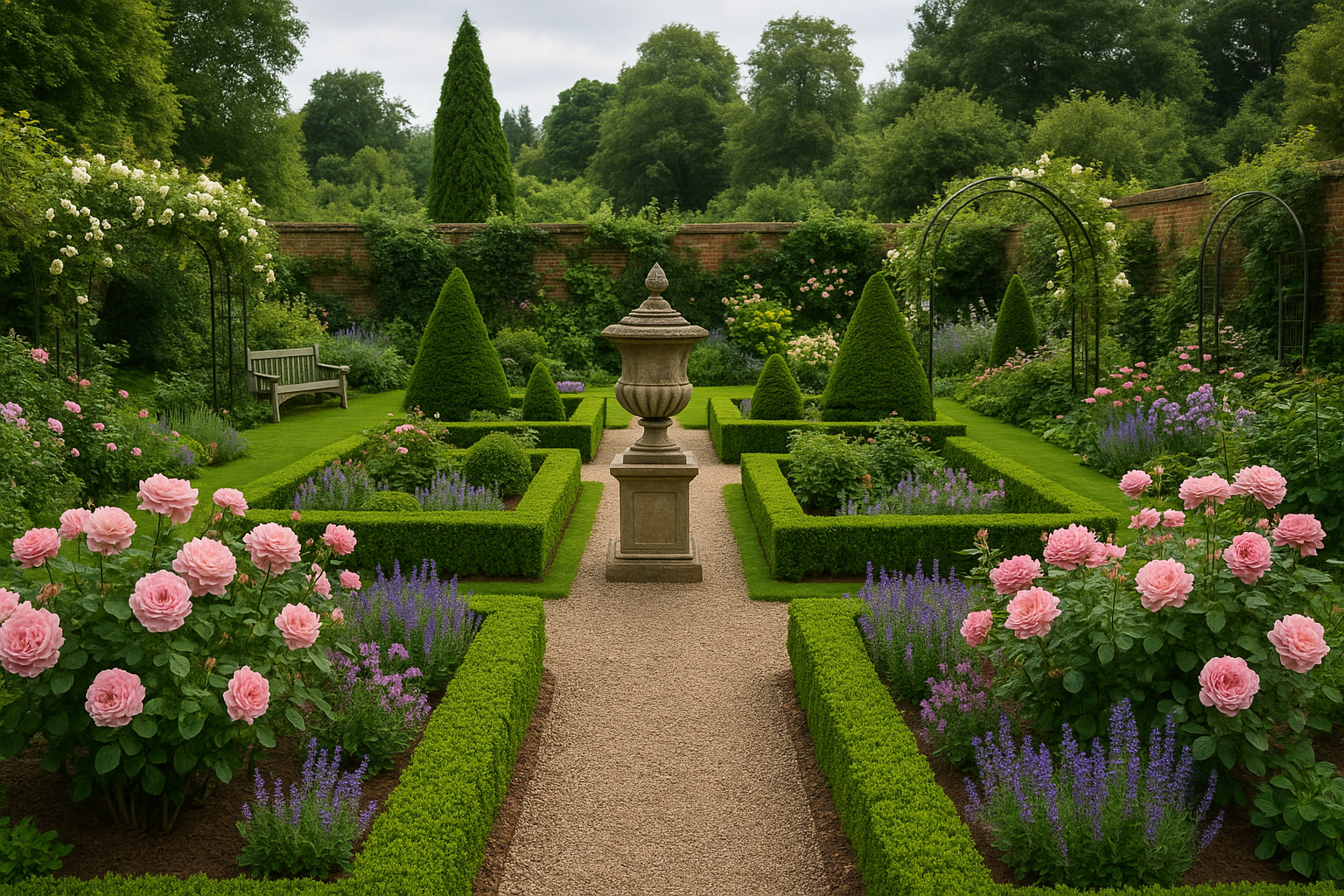
The quintessential English garden is not just a visual aesthetic; it embodies a philosophy of life and a way to find solace in nature. Characterized by its soft lines, harmonious colors, and naturalistic approach, an English style garden invites us to slow down, appreciate the beauty of nature, and find joy in the ebbs and flows of the seasons. Whether you are a novice gardener or an experienced horticulturist, understanding the elements and principles behind English style garden plans can inspire you to create your own sanctuary. In this in-depth article, we will explore the characteristics of English gardens, delve into design principles, and answer common questions that arise when planning your own English garden.
What is an English Style Garden?
Definition and Characteristics
The English garden style can be traced back to the 18th century and is often associated with the “natural” landscape gardening movement. Unlike rigid geometric designs prevalent in earlier garden styles, English gardens embody an informal approach, celebrating the beauty of nature. Common characteristics include:
-
Curvilinear Design: Pathways, flower beds, and borders often feature gentle curves rather than sharp angles, creating an organic flow that is pleasing to the eye.
-
Mixed Planting: Plantings often include a combination of flowers, shrubs, trees, and grasses to create layers and textures. This diverse planting creates habitats for wildlife and brings vibrancy year-round.
-
Seasonal Interest: English gardens excel in providing visual interest throughout the seasons by incorporating a variety of plants that bloom at different times.
-
Focal Points: Elements such as sculptures, birdbaths, or benches serve as focal points, drawing the eye and encouraging exploration within the garden.
-
Use of Boundaries: Fences, walls, and hedges can provide a canvas for climbing plants, creating private alcoves or rooms within the garden for relaxation and contemplation.
Some Historical Context
The rise of the English garden style occurred during the landscape movement, a reaction against the formal designs of previous periods, such as the Baroque gardens of the 17th century. Pioneers like Capability Brown and William Kent sought to emulate the tranquility of nature by designing landscapes that appeared untouched by human hands. Over the years, the love for the English garden has evolved but has remained deeply rooted in celebrating nature’s beauty.
Key Elements of English Style Garden Plans
Plant Selection
-
Perennials: They are crucial for English gardens as they provide consistent structure and color. Popular varieties include Shasta daisies, peonies, delphiniums, and columbines.
-
Shrubs: Incorporating shrubs like hydrangeas, lavender, and roses can add height and act as a backdrop for flowering plants.
-
Seasonal Color: Think about how to extend your flowers’ blooming periods. By planting a mix of early spring, summer, and late-fall bloomers, you can ensure that your garden is lively year-round.
Garden Layout
A successful English garden layout encourages exploration. Consider these design principles:
-
Pathways: Curved, winding paths made from gravel, stones, or mulch invite wandering. Use natural materials that blend into the landscape.
-
Garden Rooms: Sectioning your garden into different “rooms” can provide various experiences. An area for vegetables, another for wildflowers, and a secluded nook with seating can all coexist harmoniously.
-
Height Variation: Incorporating a variety of plant heights enhances the visual interest. Taller plants should be placed towards the back of flower beds, gradually tapering down to shorter plants in the front.
Hardscaping
-
Garden Features: Incorporate elements such as arbors, trellises, and fences that can support climbing plants and add verticality.
-
Seating Areas: Benches or seats can encourage you to linger in the garden. Select materials that complement the plants’ colors and textures.
-
Water Features: Streams, ponds, or fountains can add a soothing auditory element while also attracting wildlife.
Practical Steps for Creating Your English Garden
1. Assessing Your Space
Before starting your design, understanding your garden’s environment is vital. Factors such as sunlight, soil type, and drainage will significantly influence your plant choices. Take note of areas that receive full sun, partial shade, or full shade, and consider how these zones can interact.
2. Visualizing Your Design
Creating a design plan can help translate your vision onto paper. Use graph paper to layout your desired paths, planting beds, and features. Color coding different plantings can help you visualize the seasonal changes.
3. Preparing Your Soil
Good soil is foundational for a successful garden. Test your soil’s pH and nutrient levels, and consider adding organic matter like compost to enhance its fertility and structure.
4. Choosing Plants
Be strategic about your plant choices. Visit local nurseries, seek advice, and study plants that thrive in your area. Keep in mind the blooming seasons to ensure year-round color.
5. Planting and Maintenance
Once you’ve selected your plants, it’s time for planting! Follow proper spacing guidelines and take care to water them adequately post-planting. Regular maintenance, including weeding, mulching, and deadheading, will keep your garden flourishing.
FAQ: Your English Garden Questions Answered
What Are the Best Plants for an English Garden?
Choosing suitable plants can define the success of your English garden. Opt for classic varieties such as:
-
Roses (Rosa): Symbolic of English gardens, many varieties blossom throughout the warm months and can be trained to climb trellises or fences.
-
Lavender (Lavandula): Adds fragrance and attracts butterflies while providing a stunning purple hue.
-
Foxglove (Digitalis): Recognized for its tall spires of blooms, foxglove can add vertical interest to your garden.
-
Hollyhocks (Alcea): These stately flowers are traditional favorites that produce tall blooms in a range of colors.
How can I incorporate structure and formality in my English garden?
While English gardens tend to be informal, incorporating certain elements can introduce structure:
-
Formal Pathways: Brick or stone paths can create distinct walkways leading to various areas of the garden.
-
Classic Borders: Use boxwood or other evergreen plants to create clipped hedges that form the boundaries of garden beds.
-
Symmetry: You can design certain beds to be symmetrical while maintaining an overall informal layout.
What is the role of scent in an English garden?
A beautifully designed English garden excites all the senses, including scent. When selecting plants, consider how they will fragrance the air. Incorporating plants like lavender, rosemary, and jasmine can provide delightful scents that enhance your garden experience.
How can I ensure my English garden thrives in different seasons?
To achieve year-round beauty, consider these tips:
-
Planting for Sequence: Choose plants that bloom in sequential order, such as spring-flowering bulbs, summer perennials, and autumnal foliage.
-
Evergreens: Incorporate evergreen shrubs and trees to provide structure and greenery during the winter months.
-
Winter Interest: Consider adding ornamental grasses, berry-laden plants, or evergreen ground covers that will provide visual interest during winter.
What should I consider regarding pest control and garden maintenance?
Integrated Pest Management is an organic approach to handling pests effectively without harming beneficial insects. Regularly inspect plants for signs of damage or pests and take a proactive approach to maintaining plant health. Natural repellents, insecticidal soaps, or introducing birds and beneficial insects can all be part of this strategy.
Conclusion
The allure of the English style garden lies in its harmony with nature, diversity of plantings, and architectural nuances. While your garden can reflect your unique style, embracing the fundamental principles of English garden design can create a vibrant and dynamic outdoor space that echoes its historical roots. By understanding plant selections, effective layout, seasonal changes, and sustainable practices, you can cultivate your oasis of tranquility—celebrating the beauty of English gardens and enhancing your relationship with the natural world.
Embarking on this gardening journey is not just about planting seeds; it’s about creating a haven that nurtures the senses, stimulates the soul, and allows you to find peace in the beauty that surrounds you. So put on your gardening gloves, and let your imagination bloom within the enchanting framework of an English style garden. Happy gardening!