
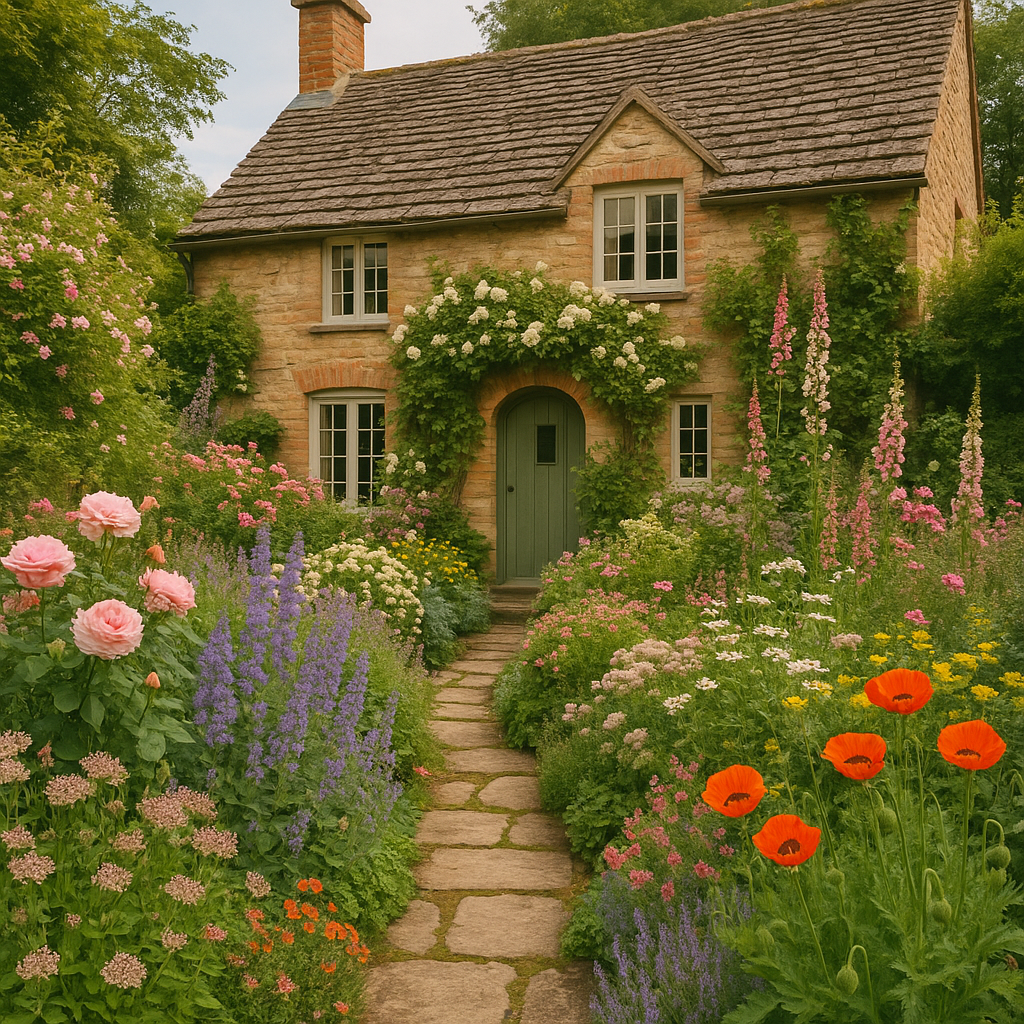
Cottage style gardens evoke a sense of nostalgia and warmth, transporting us to idyllic landscapes filled with colorful blooms, fragrant herbs, and the delightful buzzing of bees. Unlike more formal garden styles that celebrate symmetry and precision, cottage gardens are all about informality and exuberance, creating spaces that invite spontaneity and creativity. In this in-depth article, we will explore how to create your very own cottage style garden, answering common questions and providing practical advice for gardeners of all skill levels.
What is a Cottage Style Garden?
Cottage gardens have their roots in the 16th century, primarily in England, where they were often associated with the homes of peasants and laborers. These gardens were practical, serving to provide families with vegetables, herbs, fruit, and flowers. The term “cottage garden” conjures images of lush, overflowing plantings and a harmonious blend of utility and beauty.
Key Characteristics of Cottage Gardens:
- Diversity of Plants: Cottage gardens favor a mix of annuals, perennials, herbs, and sometimes vegetables, creating a tapestry of color, shape, and texture.
- Informal Layout: Paths are often winding, and beds are irregularly shaped. There is no rigid structure; instead, the goal is to create a relaxed, organic feel.
- Wildlife Friendly: These gardens often encourage local wildlife by providing habitats and food sources, including nectar-rich flowers for pollinators like bees and butterflies.
- Seasonal Interest: A cottage garden aims to provide visual interest across different seasons, utilizing plants that bloom at various times throughout the year.
- Natural Materials: The use of stone, rustic wood, and other natural materials in structures (like garden beds and fences) enhances the laid-back charm of the garden.
How Do I Start My Cottage Garden?
Starting your cottage garden can feel overwhelming, especially if you’re new to gardening. Here’s a step-by-step approach to get you on your way.
Step 1: Assess Your Space
- Location: Choose a site that gets enough sunlight. Most cottage gardens thrive in full sun (6-8 hours of direct sunlight) but can also adapt to partial shade.
- Soil: Test your soil to determine its pH and nutrient levels. Cottage gardens are often successful in fertile, loamy soil. Amend with organic matter such as compost to improve soil structure and fertility.
- Size: Even a small space can be transformed into a cottage-style garden. You don’t need a sprawling yard; you can create a charming garden in a balcony or patio space.
Step 2: Design Your Layout
- Plan Paths: Instead of straight paths, consider winding, organic-shaped ones made from natural materials like gravel, mulch, or stone. These invite exploration.
- Garden Beds: Create irregularly shaped garden beds. Raised beds or borders with stone or timber can help define planting areas while maintaining an informal look.
- Centerpiece: Consider including a focal point, such as a quaint bench, birdbath, or garden statue, to anchor the design.
Step 3: Choose Your Plants
The beauty of a cottage garden lies in its diversity and abundance. Here are some popular plant categories:
-
Perennials: These return each year and form the backbone of your garden. Consider options like:
- Roses (often climbing or rambling varieties)
- Lavender (adds fragrance and attracts pollinators)
- Echinacea (also known as coneflower, comes in various colors)
-
Annuals: Add splashes of color with blooms that need to be replanted each year, such as:
- Sweet peas (vining, fragrant flowers)
- Zinnias (bright, cheerful color)
- Nasturtiums (edible flowers with a peppery taste)
-
Herbs: Incorporate culinary and fragrant herbs for both utility and beauty:
- Thyme and oregano for a lovely aroma
- Chives for tall green shoots and purple flowers
- Sage or rosemary for structure and richness
-
Vegetables: Adding a few vegetable plants can enhance the cottage garden’s charm:
- Tomatoes trained to grow on trellises
- Radishes and lettuce for quick-growing color and texture
- Beets that can be shielded with flowering plants
-
Wildflowers: These can enhance the cottage feel and attract pollinators:
- Cornflowers and poppies are excellent choices.
- Daisies and black-eyed Susans can create a naturalistic feel.
Step 4: Planting
When it’s time to plant, follow these tips:
- Companion Planting: Some plants grow better together. For example, planting marigolds near tomatoes can repel pests.
- Layering: Plant taller plants at the back or center of your beds, with shorter ones towards the front or edges. Create visual depth by staggering heights.
- Under-planting: Use lower-growing plants beside larger ones to utilize space effectively.
Step 5: Maintenance
- Watering: Ensure your plants receive adequate moisture, especially in the summer months. Drip irrigation or soaker hoses can help target the roots directly.
- Weeding: Regular weeding is essential to prevent competition for resources. Most cottage gardeners practice a “let it go” philosophy, allowing a certain amount of wildness in exchange for visual appeal.
- Fertilizing: Apply organic fertilizers in spring and early summer to promote healthy growth.
What Plants Work Best for a Cottage Garden?
While you can customize your plant selections based on your climate zone and personal preferences, a few classic and popular choices are common in many cottage gardens.
Some Evergreen Choices:
- Darwin Hybrid Tulips: These blooms are long-lasting and come in various colors, adding spring beauty.
- Hellebores: Flowering early in the year, they bring vibrant life to your garden before most other flowers bloom.
- Clematis: These climbing plants can cover arbors and walls with stunning blooms.
Seasonal Selections:
- Spring: Textured foliage from plants like brunnera (false forget-me-nots) and ground cover such as vinca provides beauty before summer blooms appear.
- Summer: Incorporate sunflowers, phlox, and bee balm. These plants provide a riot of color as summer fills in.
- Autumn: Fall-blooming plants like asters and sedum can prolong interest into the cooler months.
- Winter: Evergreens like hollies and certain heathers give structure and color.
How Do I Integrate Wildlife into My Cottage Garden?
One of the delightful aspects of creating a cottage garden is fostering a welcoming environment for wildlife. Here are strategies for doing it effectively:
1. Create Habitats
- Birdhouses: Install birdhouses on posts or trees to attract feathered friends. Choose designs suitable for the birds in your area.
- Insect Hotels: Attract beneficial insects by creating insect hotels made from wood, twigs, and hollow stems to shelter them.
- Ponds: A small water feature can serve as a habitat for wildlife and a watering hole for birds and beneficial insects.
2. Plant for Pollinators
Select native flowering plants that provide nectar. These can attract bees, butterflies, and hummingbirds. Some outstanding options are:
- Goldenrod: This late-blooming perennial attracts bees and butterflies.
- Monarda (Bee Balm): The bright red flowers draw in countless pollinators.
- Milkweed: Essential for monarch butterflies, it serves as a breeding ground.
3. Avoid Chemicals
Embrace organic gardening techniques, eschewing chemical pesticides, which can harm beneficial insects. Emphasize companion planting or introduce beneficial predators (like ladybugs) that keep pests at bay.
How Do I Incorporate Seating and Accessories?
Outdoor living spaces enhance the charm of cottage gardens, encouraging relaxation and enjoyment of the flowers and scents. Consider the following:
1. Rustic Furniture
Opt for rustic seating made from reclaimed wood or wrought iron to maintain a traditional feel. Benches should be placed in serene locations, offering viewing points for blooming areas.
2. Garden Art
Adding art and sculptures can provide focal points. Consider items like birdbaths, whimsical fairies, or stone carvings—those add magic to your garden space.
3. Pathways and Edging
Use stones, old bricks, or natural materials to create winding paths throughout your garden. Edging ensures that plants have defined areas, while also guiding visitors around the garden’s delights.
How Long Does It Take to Establish a Cottage Garden?
Cottage gardens embody a philosophy of evolving beauty, so patience is essential.
-
Initial Growth: The first year often focuses on establishing soil health and developing the backbone plants (the perennials).
-
Mature Garden: Expect to enjoy the most impressive blooms and growth in the second to third years, as plants spread and begin to fill in bare spaces.
-
Ongoing Growth: As plants thrive, continue adding annuals or replacing perennials to maintain diversity and seasonal interest.
Which Mistakes Should I Avoid?
-
Picker Planting: Avoid planting all your plants at once without careful thought to their compatibility and growth habits. Space plants according to their mature size.
-
Overlooking Maintenance: Many new gardeners overestimate the amount of care a cottage garden can survive without. Regular watering, feeding, and weeding are important.
-
Ignoring Furniture: A cottage garden loses much of its charm without spaces to sit and enjoy the surroundings. Allocate areas for seating.
-
Neglecting Seasonal Changes: Plan for year-round enjoyment. Incorporating evergreen options and arranging perennials according to bloom times will ensure continuous seasonal charm.
Conclusion
Creating a cottage style garden is both an art and a science, allowing you to blend your unique personality with the colorful character of diverse plant life. Cultivating this garden type transforms your outdoor space into a personal oasis—a place that not only benefits your home through added beauty but which also nurtures local wildlife, fosters community spirit, and provides you with a sense of accomplishment.
As you embark on this exciting journey, remember to enjoy the process. The true beauty of a cottage garden lies in its authenticity, welcoming imperfections, enchantment, and natural beauty. So roll up your sleeves, gather your tools, and get planting. Your perfect cottage garden awaits!