
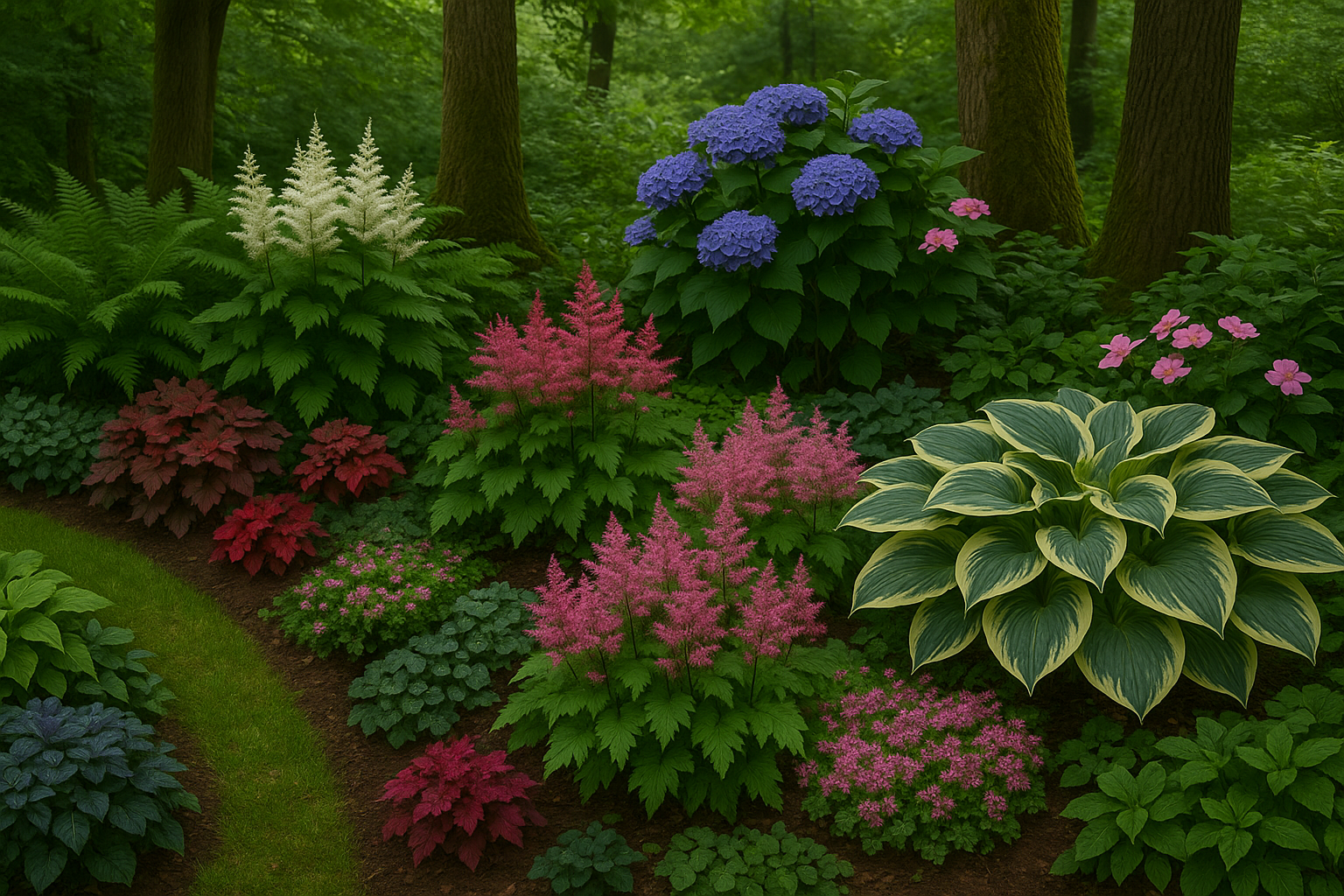
Shade gardens are a sanctuary of tranquility, where flowers bloom even without the bright rays of the sun. While many gardeners target sunny spots with vibrant flowers, the allure of shade flowers is undeniable. A well-planned shade flower garden can be a beautiful escape, teeming with life, color, and texture. In this article, we will delve into everything you need to know to create a stunning shade flower garden, from design plans to essential plant selections, and we’ll answer some common questions that may arise for gardeners looking to cultivate a shady floral oasis.
The Importance of Shade Gardens
Before we dive into the nitty-gritty of planning your shade flower garden, it’s essential to understand why shade gardens matter. Many home landscapes have areas that are too sunny for certain plants, or areas where thick canopies block sunlight. By establishing a shade garden, you can:
- Utilize Space: Shade gardens are the perfect solution for areas under trees, beside buildings, or in the shadow of fences.
- Diversity of Life: They promote biodiversity by providing habitats for various insects and animals that may seek refuge from the sun.
- Lower Water Needs: Shade gardens often require less water than sunny gardens because the soil remains moister and cooler.
- Cooling Effect: They can help regulate temperatures around your home, contributing to energy savings in hotter months.
Planning Your Shade Flower Garden
Step 1: Assess the Shade Conditions
Types of Shade:
Understanding your shade conditions will be crucial before you begin the planning process. Here are the main types of shade:
- Full Shade: Areas that receive less than three hours of direct sunlight a day.
- Partial Shade: Areas that receive about four to six hours of sunlight, usually filtered through trees or buildings.
- Dappled Shade: Spaces where sunlight filters through leaves, creating a patchy light effect.
To design a successful shade flower garden, observe your site at different times of the day, taking notes on where the sun reaches and how its intensity changes with the seasons.
Step 2: Choose a Layout
Just like any garden, design plays a significant role in a shade flower garden’s appeal. Here are a few layout ideas:
-
Layered Planting: Use taller plants at the back (or center if the garden is visible from all angles) to create depth. Medium-height flowers can then be placed in front, with shorter ones filling in the edges. This provides a tiered effect that draws the eye through the garden.
-
Curved Beds: Instead of straight lines, consider designing your garden beds with curves, which can help soften the harsh lines of structures and create a more natural flow.
-
Pathways: Adding winding paths can lead visitors through your garden, encouraging exploration. Use natural materials, such as stepping stones, gravel, or mulch, to enhance the organic feel.
-
Focus Areas: Consider creating focal points within your garden, such as a small bench, a birdbath, or a collection of ornamental stones to draw the eye and invite contemplation.
Step 3: Selecting Plants
When it comes to choosing flowers for your shade garden, it’s crucial to consider both the growing conditions and your design intentions. Some popular shade flowers include:
-
Astilbe: This perennial produces feathery plumes in shades of pink, red, and white, thriving in moist soils. Its tall spikes add height and texture against other lower-growing plants.
-
Hostas: Known for their lush foliage, hostas come in numerous varieties with various shades of green, blue, and yellow. They thrive in different degrees of shade, making them extremely versatile.
-
Coral Bells (Heuchera): These perennial plants boast colorful foliage and small flowers atop tall stalks. They can add vibrant bursts of color in various parts of your garden, especially through fall.
-
Bleeding Heart (Dicentra spectabilis): This classic perennial features heart-shaped flowers that symbolize love. It thrives in moist, shady environments and offers delightful blooms in spring.
-
Japanese Painted Fern (Athyrium niponicum var. pictum): This elegant fern is excellent for adding texture and contrast; its fronds sport a mix of green, silver, and purple hues.
-
Foxglove (Digitalis purpurea): Tall spikes of tubular flowers add architectural interest with their vertical growth habit while attracting pollinators.
-
Pulmonaria: Also known as lungwort, this plant has unique speckled leaves and produces early spring blooms that can include shades from blue to pink.
Step 4: Understand Maintenance Needs
Understanding the maintenance needs of your chosen plants will help you create a sustainable garden that thrives year-round. Here are some essential tips:
-
Soil Preparation: Ensure that the soil in your garden has good drainage and is rich in organic matter. You might need to amend it with compost or aged manure.
-
Watering Requirements: Most shade-loving plants prefer consistently moist (but not soggy) soil. Implement a regular watering schedule, particularly in the heat of summer. Mulching helps retain soil moisture.
-
Fertilization: Although shade gardens typically have lower nutrient demands, a slow-release fertilizer can support thriving plants—perform this once in early spring.
-
Pruning and Deadheading: Regularly deadhead spent flowers to encourage more blooms and prevent plants from going to seed. Additionally, prune to remove any dead or crossing branches that may hinder growth.
-
Weed Control: Weeds can thrive in shaded areas as well. Regularly check and remove any weeds that might compete with your flowers for nutrients and space.
-
Pest and Disease Management: Keep an eye out for insects and diseases, which can decimate shade plants just as easily as sun-loving varieties. Employ integrated pest management strategies when necessary.
Frequently Asked Questions (FAQs)
Q1: What zones are best for shade flower gardens?
Shade garden plants can thrive in various hardiness zones. Depending on the plants selected, the zones can range from 3 to 9. However, always check specific needs on plant tags for the best results in your area.
Q2: How can I create a successful transition between sun and shade areas?
Creating a gradual transition between sunny and shady zones can help blend the two areas harmoniously. Planting shade-tolerant perennials near the edge of the sunlight, then transitioning to sun-loving plants can create visual continuity.
Q3: Are there any annuals that work well in shade?
Yes! Some annuals thrive in shady regions. Examples include:
- Tuberous begonias
- Impatiens
- Coleus
- Lobelia
They offer a burst of color and can be replaced annually to keep your garden exciting and fresh.
Q4: Will my flowers bloom if they’re in full shade?
Many shade plants are adapted to low-light conditions and can indeed thrive without much direct sunlight. However, the quantity and vibrancy of blooms may vary based on specific conditions and will generally be less than those in sunlight.
Q5: How can I attract pollinators to my shade garden?
While some pollinators prefer sunny areas, you can attract them to your shade garden by selecting plants that bloom at different times throughout the season. For example, including plants like Astilbe or Foxglove can draw bees and butterflies.
Q6: Can I design a shade garden in containers?
Absolutely! Container gardening is an excellent option for creating shade gardens. You can place pots in dappled light areas or partially shaded locations. Container gardens are versatile and allow for easier mobility and arrangement.
Q7: How do I deal with root competition in shaded areas?
When planting in areas with tree roots, it can be beneficial to select shallow-rooted plants that will not compete directly with the tree’s established roots. Consider raised beds filled with soil to provide a proper growing medium above the roots.
Maintenance Through the Seasons
Seasonal maintenance is vital to keeping your shade flower garden looking its best. Here’s a breakdown of what you might do throughout the year:
Spring:
- Planting: Spring is the perfect time to plant perennials, ensuring they have the entire growing season to establish before winter.
- Fertilizing: As plants begin to emerge, apply a balanced fertilizer to provide them with nutrients.
- Mulching: Adding a layer of mulch will help retain moisture and suppress weeds.
Summer:
- Watering: Ensure plants get adequate moisture, especially during dry spells.
- Deadheading: Regularly remove faded blooms to encourage new growth and blooms.
- Weeding: Keep an eye on emerging weeds and remove them to minimize competition.
Fall:
- Dividing Perennials: This is an excellent time for perennial divisions. Plants like Hostas can be divided to increase your stock or shared with friends.
- Final Fertilization: Apply a slow-release fertilizer to provide nutrients through winter.
- Clean Up: Rake leaves and debris to prevent mold and pests.
Winter:
- Planning: Use this time to plan changes or enhancements for the subsequent year.
- Protection: Depending on your climate, consider covering delicate plants with mulch or frost cloth to protect them from harsh winter conditions.
Conclusion
A shade flower garden can be a delightful and refreshing feature in any landscape. By understanding the nuances of shade conditions, selecting appropriate plants, and continuously maintaining your garden, you can create a serene environment filled with color and life. As you design your shade garden, remember that it’s a personal reflection of your creativity and preferences; enjoy the process and embrace the beauty it brings to your home. With patience and care, your shade flower garden will flourish and become an ever-evolving masterpiece for years to come. So grab that trowel, roll up your sleeves, and embark on a botanical journey into the world of shade gardening!