
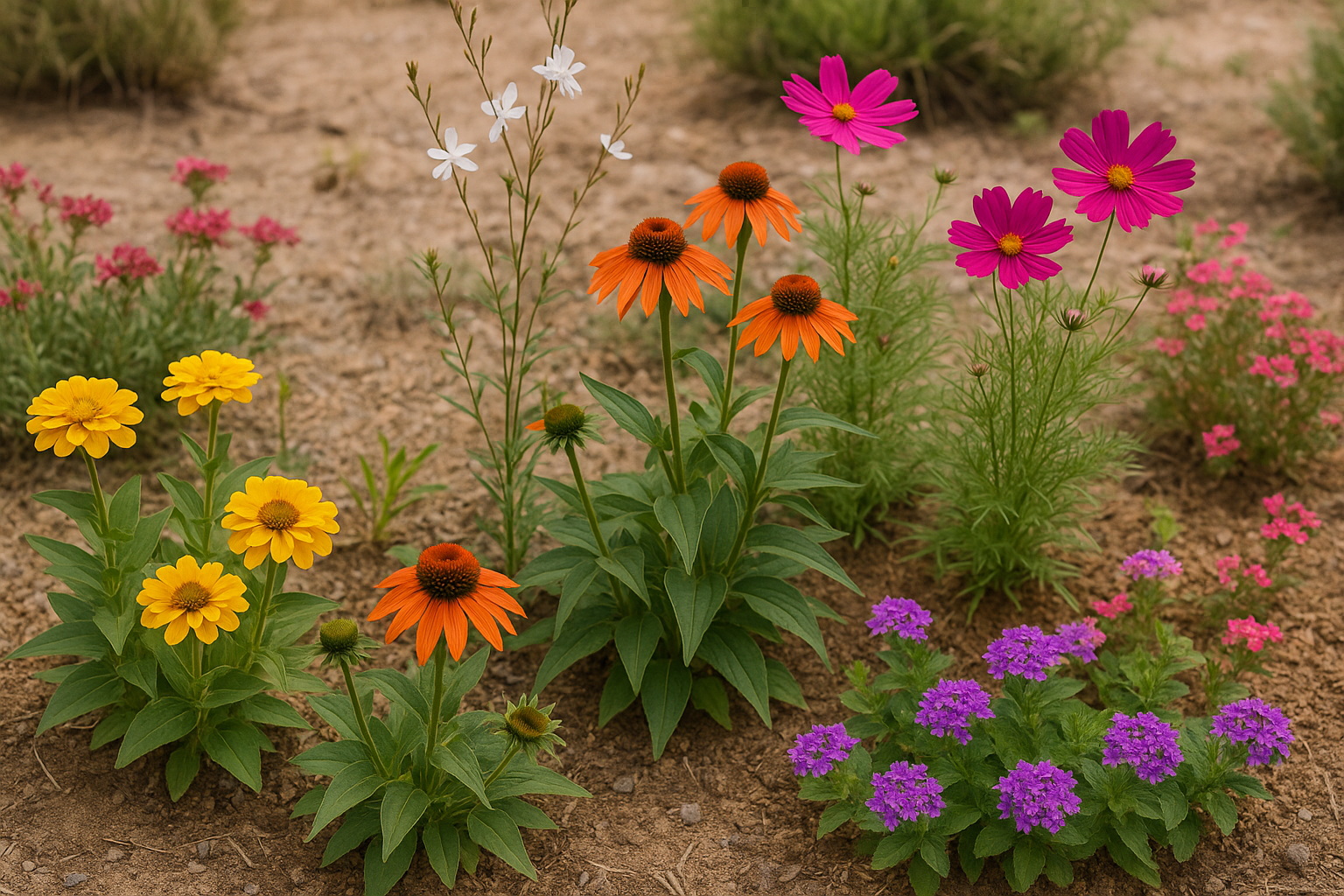
In an increasingly unpredictable climate, gardeners everywhere are facing challenges that threaten even the most well-established garden plans. One such challenge is the prevalence of drought conditions, which can turn vibrant landscapes into parched wastelands. However, this shift in environmental conditions has ushered in a wave of innovation in gardening—specifically, the cultivation of drought-tolerant annuals. These resilient beauties not only enhance our gardens but also inspire sustainable gardening practices, allowing us to appreciate beauty without compromising water resources. This article delves deep into the world of drought-tolerant annuals, answering key questions and outlining their myriad benefits.
What Are Drought-Tolerant Annuals?
Drought-tolerant annuals are flowering plants that complete their life cycle within a year while exhibiting resistance to dry conditions. They are specially adapted to thrive even when water is scarce. Unlike perennial plants, which return year after year, annuals germinate from seeds, grow, flower, and produce seeds within a single growing season. This category encompasses a variety of species renowned for their ability to flourish in low-water environments.
Are All Annuals Drought-Tolerant?
While many annuals are not inherently drought-tolerant, several varieties have developed mechanisms to cope with limited water. Drought-tolerant annuals have adapted through features such as deep root systems, waxy leaves, or the ability to store water in their tissues. Common examples include:
- Zinnia: Known for their vibrant blooms and ability to thrive in poor soil, zinnias are a favorite among drought-tolerant gardeners.
- Cosmos: These delicate flowers bloom profusely in the heat, providing a cheerful addition to any garden without requiring much water.
- Marigolds: Not only do these annuals deter pests, but they also stand up well to drought conditions.
- Sunflowers: With their spacious roots, sunflowers are perfect for drought-prone areas. They not only add beauty but also attract pollinators.
Why Choose Drought-Tolerant Annuals?
Selecting drought-tolerant annuals comes with numerous benefits—ecological, economic, and aesthetic. Here are some compelling reasons to embrace these resilient plants in your garden.
1. Water Conservation
Perhaps the most significant reason for adopting drought-tolerant annuals is the reduced need for irrigation. In many regions, water conservation is vital to ensure sustainable practices and mitigate the impacts of climate change. By opting for drought-resistant plants, you can create a garden that thrives on natural rainfall rather than requiring extensive watering routines.
2. Lower Maintenance
Drought-tolerant annuals typically require less maintenance than their traditional counterparts. Once established, these hardy plants can thrive with minimal intervention, freeing up the gardener’s time and resources. This reduced need for care allows gardeners to create vibrant spaces without the constant input of time or energy.
3. Ecological Benefits
By selecting drought-tolerant plants, you contribute to the overall health of the environment. These plants often support beneficial insects, such as bees and butterflies, help prevent soil erosion, and contribute to improved air quality. Incorporating biodiversity through these species can enhance the local ecosystem, positively impacting the surrounding flora and fauna.
4. Aesthetic Appeal
Drought-tolerant annuals often boast beautiful, unique blooms in striking colors, allowing for aesthetic variety in your garden. A properly planned drought-tolerant garden can be just as vibrant and inviting as any conventional garden, full of color and life.
5. Adaptability
Drought-tolerant annuals can adapt to various soil types and conditions, making them versatile additions to many landscapes. Whether your soil is sandy, rocky, or clay-based, there are drought-tolerant options that will thrive, allowing you to cultivate beauty even in challenging conditions.
How Do I Select the Right Drought-Tolerant Annuals for My Garden?
When considering drought-tolerant annuals, there are several factors to keep in mind to ensure the best gardening success:
1. Climate Considerations
Understanding your climate is essential when selecting plants. Certain drought-tolerant annuals are better suited for specific regions. For example, a gardener in the Southwest might choose desert marigolds (Baileya multiradiata), while someone in a temperate zone might select California poppy (Eschscholzia californica). Research your hardiness zone to identify which plants flourish in your area.
2. Soil Type
Drought-tolerant plants can thrive in various soil types, but the soil’s drainage properties matter. For sandy soils, look for plants with deep root systems that can access moisture below the surface. In clay-heavy soils, opt for plants with shallow roots that can survive on rainfall. Testing your soil and understanding its capabilities will guide you in making the right choices.
3. Sunlight Exposure
Different plants have unique sunlight needs. While most drought-tolerant annuals thrive in full sun, some can exist in partial shade. Understanding your garden’s light conditions can help you determine which plants will flourish.
4. Maintenance Level
Even among drought-tolerant plants, some species require more upkeep than others. If you’re new to gardening or have limited time, choose low-maintenance varieties that can thrive with minimal intervention.
How to Plant and Care for Drought-Tolerant Annuals
1. Preparation
Start by selecting a location in your garden that aligns with your chosen plants’ light and soil preferences. Clear any existing vegetation and loosen the top layer of soil to ensure proper drainage.
2. Planting
- Seeds or seedlings: Choose whether to plant seeds directly in the garden or start seedlings indoors. Seeds should be sown in moist, well-drained soil and covered lightly with the recommended amount of soil.
- Spacing: Follow recommended spacing to prevent overcrowding, which can inhibit air circulation and promote diseases.
- Watering: Initially water the plants well to help them establish roots. Afterward, gradually reduce the watering frequency to encourage deeper rooting.
3. Ongoing Care
- Mulching: Apply mulch around your plants to retain moisture, suppress weeds, and moderate soil temperature.
- Fertilization: While these annuals adapt to poorer soils, a light application of organic fertilizer can promote more vigorous blooming.
- Pest Control: Regularly inspect your garden for pests. Many drought-tolerant annuals inherently deter pests, but it’s helpful to monitor their health for any signs of distress.
What Are Some Creative Uses for Drought-Tolerant Annuals?
Drought-tolerant annuals offer endless possibilities for creativity in landscaping and gardening. Here are some innovative ways to turn your garden into a unique outdoor space:
1. Pollinator Gardens
Create a pollinator-friendly garden by planting a variety of drought-tolerant annuals that attract bees, butterflies, and hummingbirds. Mixing species like zinnias, cosmos, and sunflowers can create a colorful haven for these vital pollinators.
2. Container Gardening
Drought-tolerant annuals can thrive in pots and containers, making them perfect for patios, balconies, or any space without direct garden soil. Choose varied heights and colors to create an eye-catching display while rotating plants seasonally.
3. Edible Landscapes
Some drought-tolerant annuals, like edible flowers (e.g., nasturtium), can be incorporated into your vegetable garden to provide vibrant colors, attract pollinators, and offer culinary uses. Combining aesthetic and edible plants maximizes space and enjoyment.
4. Succession Planting
Maximize your garden’s potential through succession planting. By planting a variety of drought-tolerant annuals at staggered intervals, you can ensure blooms from spring to fall. This approach keeps your garden lively and changing throughout the growing season.
Future of Drought-Tolerant Annuals in Gardening
As global temperatures rise and water scarcity becomes more prevalent, the importance of drought-tolerant plants will only increase. Research and breeding programs are underway aimed at developing even more resilient plant varieties that can adapt to climate change while providing beauty to our landscapes.
Additionally, the incorporation of xeriscaping—a landscaping method that reduces or eliminates the need for irrigation—highlights the growing trend of sustainable gardening practices that prioritize water conservation and climate adaptation. Drought-tolerant annuals play a vital role in this paradigm shift, proving that we can garden sustainably without sacrificing aesthetics.
Conclusion
Drought-tolerant annuals present an exciting opportunity for gardeners to adapt to changing environmental conditions while maintaining vibrant, flourishing landscapes. By selecting these resilient plants, we not only contribute to water conservation efforts but also embrace successful gardening practices that are both ecologically sound and easy to maintain. Gardening, once a simple hobby, has evolved into a sustainable passion that allows us to enhance our spaces while considering the health of our planet. As the climate continues to change, making informed choices in plant selection will pave the way for flourishing gardens that stand the test of time.
By understanding and implementing the principles surrounding drought-tolerant annuals, gardeners can create stunning displays that promise beauty, resilience, and hope—even in the face of drought. Embrace the challenge, explore your options, and delight in the beauty that drought-tolerant annuals can bring to your garden.