
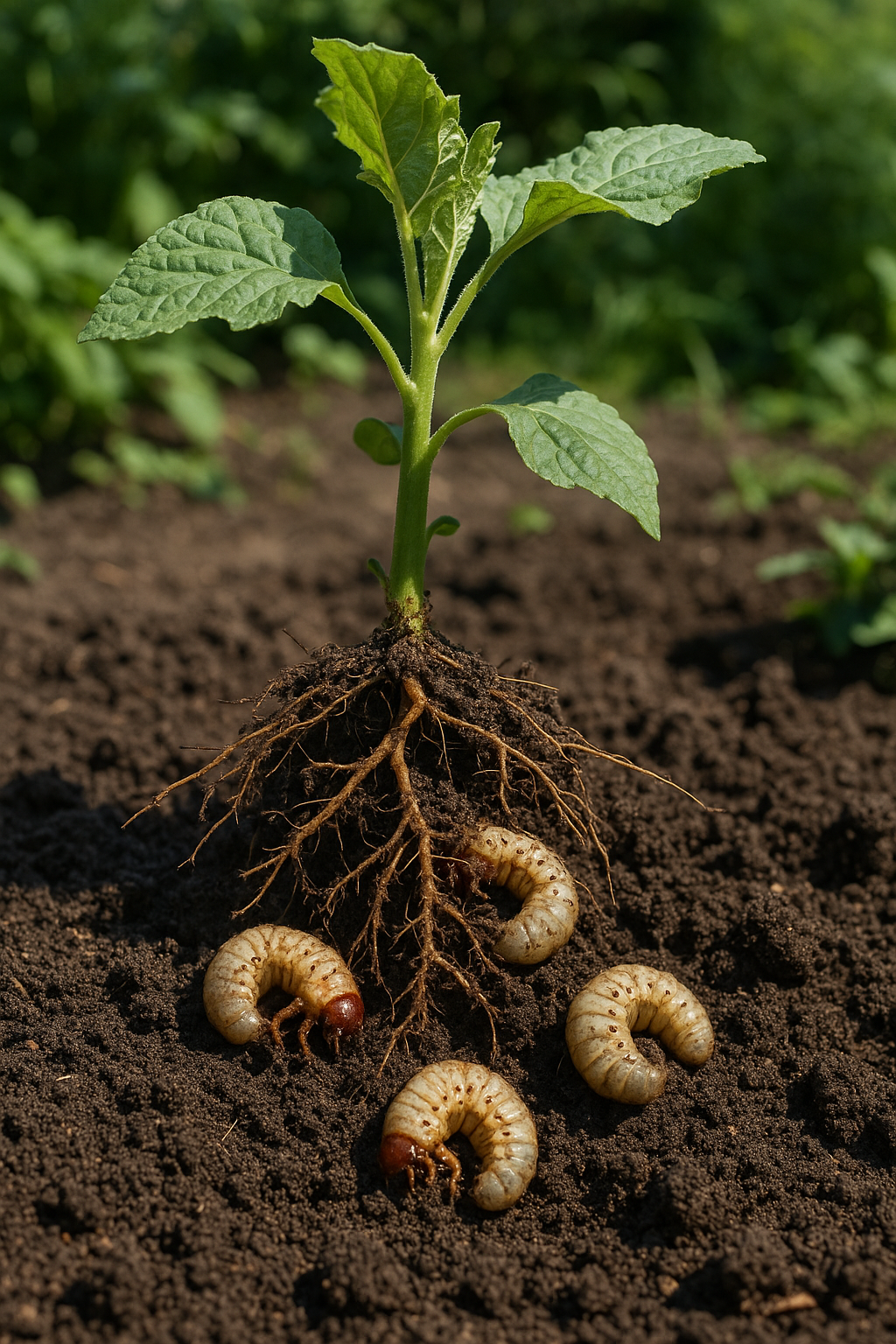
When we think of bugs, many of us conjure images of pesky insects that destroy our gardens, ruin our crops, or invade our homes. However, the world of bugs is far more intricate and fascinating than the stereotypes suggest. Among the most overlooked constituents of this realm are the bugs that feed on plant roots. This article aims to delve into the remarkable relationships these insects establish with various plant species, explore their ecological importance, and even uncover the intricacies of root feeding. Through a series of questions and thorough answers, we will illuminate how understanding these insects can broaden our perspective and appreciation of the natural world.
What Kinds of Bugs Eat Plant Roots?
The realm of root-feeding insects is vast and diverse. While many people may only think of a few common species, there’s actually a rich tapestry of critters thriving underground. Here, we discuss some of the main types of bugs that feed on plant roots:
1. Nematodes
Nematodes are microscopic, soft-bodied worms that inhabit soils all over the world. Some species, known as plant-parasitic nematodes, directly feed on the roots of plants. They insert their needle-like mouthparts into the plant cells and extract nutrients, which can lead to stunted growth and wilting.
2. Wireworms
The larvae of click beetles are known as wireworms. They are notorious for feeding on the roots of various crops, causing considerable damage. Wireworms can inhabit the soil for several years before they mature into adults, making their management challenging for gardeners and farmers.
3. Grubs
The larvae of beetles—especially those in the Scarabaeidae family—are commonly known as grubs. Depending on the species, they can cause significant root damage, impacting plant health and vigor. Grubs destroy plant roots either by direct feeding or by compromising the plant’s ability to absorb nutrients and water.
4. Root Weevils
Root weevils are small beetles known for their elongated snouts and destructive feeding habits. Their larvae feed on the roots of plants, particularly ornamentals and crops, causing brown patches and reduced vigor due to their root damage.
5. Aphids
Though they are more commonly acknowledged as leaf-feeders, certain types of aphids also target plant roots. By living on roots, they reduce nutrient availability and can introduce diseases that may further handicap the plant’s growth.
Why Do Some Bugs Prefer Plant Roots Over Above-Ground Parts?
Insects have evolved diverse feeding habits that allow them to adapt to niche environments. Here’s why some bugs prefer plant roots:
Niche Environment:
The underground environment is generally more stable than above-ground areas. Roots provide a humid, less variable habitat that may be ideal for certain species.
Nutritional Advantage:
Roots are rich in carbohydrates, and many plants exude compounds that are beneficial to bugs feeding on them. For example, some root exudates attract nematodes due to their high sugar content.
Protection:
Feeding on roots can offer protection from predators. Many insects that feed above ground are more vulnerable to birds and predatory insects, while the soil provides a level of concealment.
Life Cycle:
Certain bugs, such as wireworms and grubs, may spend part of their life cycle underground. Feeding on roots during their juvenile stages can provide the nutrition they need for growth before they metamorphose into their adult form.
How Do Bugs Affect Plant Health, and Is Their Impact Always Negative?
While many of us view root-feeding bugs as adversaries, their impact on plant health is more nuanced. Let’s explore both positive and negative consequences:
Negative Impacts:
- Stunted Growth: Bugs like root weevils and nematodes can sap essential nutrients and water, leading to reduced plant vigor.
- Wilting and Browning: As roots are damaged, the plant’s ability to absorb water diminishes, resulting in wilting or color change.
- Disease Vectors: Certain root-feeders can introduce pathogens into the plants, exacerbating their decline.
Positive Impacts:
- Soil Health: Some root-feeders—like certain nematodes—can be indicators of healthy, diverse soil ecosystems. Their presence often correlates with nutrient cycling and overall soil rejuvenation.
- Natural Selectivity: In a broader ecological context, root-feeding insects might help in the promotion of plant diversity by preventing the overgrowth of specific species, thereby maintaining a balanced ecosystem.
What is the Role of Bugs in the Soil Ecosystem?
The world beneath our feet is teeming with life and interconnected relationships. Root-feeding bugs play pivotal roles in maintaining the health and richness of soil ecosystems, including:
Nutrient Cycling:
Both the feeding and excretion activities of bugs enrich the soil. Dead insects, and those excretions act as organic matter that contributes to soil fertility.
Aeration:
Insects burrowing through the soil help aerate it, promoting better root systems and bind soil particles, fostering better water retention.
Breaking Down Organic Matter:
Certain root-feeders can assist in breaking down organic matter, making nutrients more available to plants.
Food Web Dynamics:
Root-feeding insects are crucial for soil food webs. They serve as food sources for other organisms—like birds and mammals—and their activities help sustain a robust web of life.
How Can We Manage Bugs Eating Plant Roots Effectively?
For gardeners and farmers concerned about the impact of root-feeding bugs, effective management strategies can minimize damage while promoting healthy ecosystems.
Biological Control:
Encouraging natural predators that target root-feeding insects can help reduce their populations. Birds, ground beetles, and predatory nematodes are excellent allies.
Crop Rotation:
Implementing a crop rotation strategy can disrupt the life cycles of root feeders. Changing the type of plants grown in an area can make it difficult for certain pests to establish populations.
Companion Planting:
Certain plants can deter root-feeding insects. For example, planting marigolds can repel nematodes, while specific herbs can create an undesirable environment for pests.
Organic Amendments:
Utilizing organic matter and compost can enhance soil health, giving plants the resilience to withstand potential pest pressures.
Soil Testing:
Regular soil testing can help detect the presence of nematodes and other pests so that timely interventions can be made.
What Precautions Should Gardeners Take?
When it comes to managing root-feeding insects, awareness and proactive approaches are key. Here are some precautions to consider:
Monitor Plant Health:
Regularly inspect plants for signs of trouble. Wilting, stunted growth, and discoloration could indicate root pest issues. Catching problems early often allows for easier management.
Avoid Over-Watering:
Too much moisture can create salons conducive to root-feeding nematodes and other pests, so it is vital to maintain balanced watering practices.
Use Mulch Wisely:
While mulch helps retain moisture, it should be used wisely. Too much can create an attractive habitat for root-feeding bugs.
Soil Health:
Regularly amend soil with organic materials to foster beneficial microbial communities that can outcompete or antagonize harmful root pests.
How Do Root-Feeding Bugs Contribute to Biodiversity?
Though they might seem simply like nuisances, root-feeding insects can actively shape plant communities and contribute to overall biodiversity through several mechanisms:
Species Selection:
By feeding on certain plant roots, these insects can prevent the overdominance of specific species, allowing a diverse array of plants to flourish.
Symbiotic Relationships:
Some root-feeding pests have developed relationships with plants or beneficial microorganisms in the rhizosphere, promoting a more complex and diverse ecosystem.
Genetic Diversity:
When plants are challenged by pests, those that can survive and reproduce despite these challenges contribute to greater genetic diversity, enabling populations to adapt over time.
Microbe Interactions:
Root-feeding insects often interact with beneficial soil microbes, impacting microbial biodiversity and contributing to soil resilience through various trophic levels.
Conclusion
Although root-feeding bugs often receive negative attention, they play essential and multifaceted roles in the ecosystems they inhabit. From nutrient cycling and soil aeration to pest control, their impact can be beneficial as well as detrimental. By cultivating a deeper understanding of these fascinating insects and their behaviors, we can learn to better manage plant health and soil ecosystems.
Next time you see the telltale signs of insect activity in your garden or field, remember these bugs are not simply destroyers; they are participants in an intricate system that, when balanced, supports a vibrant and diverse array of life. Embracing the duality of their existence in our gardens can lead to healthier plants and richer ecosystems, reminding us that not all bugs are bad—many, in fact, are our silent partners in the beautiful, complex tapestry of life that stretches beneath our feet.