
Introduction
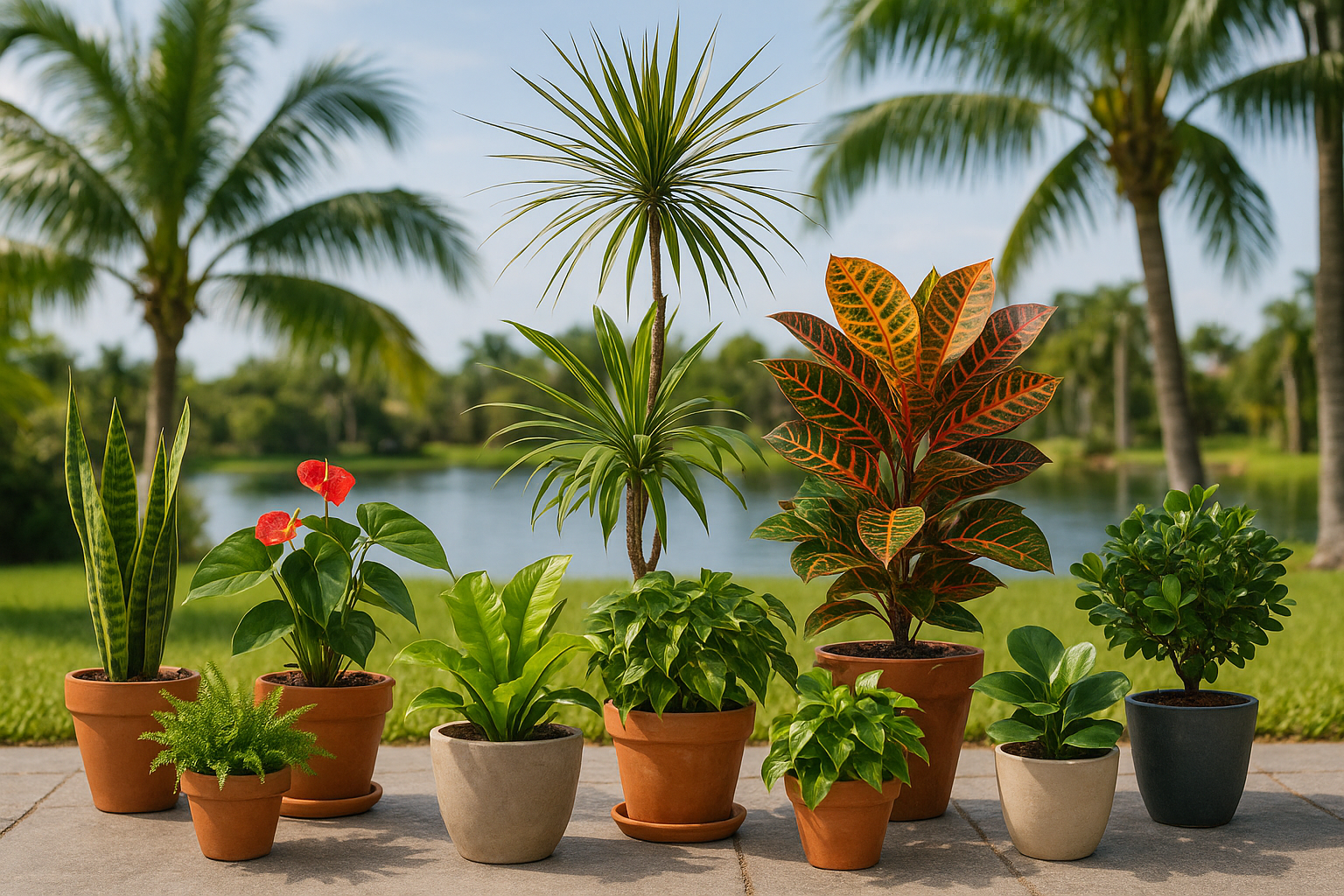
Florida, known for its sunny climate, sandy beaches, and vibrant wildlife, is also home to a flourishing world of horticulture. Many Floridians take pride in cultivating potted plants, transforming homes and gardens into green sanctuaries. This article aims to explore the diverse range of potted plants suitable for the Florida climate, the benefits of container gardening, care tips, and frequently asked questions. Whether you’re a novice or a seasoned plant lover, this comprehensive guide will enrich your understanding of Florida potted plants.
The Allure of Florida’s Climate for Container Gardening
Why Florida?
Florida’s subtropical and tropical climate provides a unique opportunity for plant enthusiasts. The state boasts warm temperatures year-round, abundant rainfall, and a long growing season. These conditions allow for a diverse range of plant species to thrive in pots, including both native and exotic varieties.
Benefits of Container Gardening in Florida
Container gardening offers several advantages:
-
Mobility: Potted plants can be moved to take advantage of sunlight or shade as the seasons change. This is particularly useful in Florida, where afternoon sun can be intense.
-
Pest Control: Keeping plants in pots can reduce the risk of soil-borne pests and diseases.
-
Soil Quality Management: Container gardening allows you to control the soil quality and composition, making it easier to provide the specific nutrients your plants need.
-
Vertical Gardening: For those with limited space, potted plants provide an opportunity to grow vertically, creating green walls and enhancing aesthetics.
Popular Potted Plants in Florida
1. Orchids: The Elegance of Florida Gardens
Orchids are perhaps the most celebrated potted plants in Florida. With hundreds of varieties, they bring elegance and sophistication to any setting.
Care Tips:
- Light Requirements: Orchids prefer bright, indirect sunlight. Too much direct sun can scorch the delicate leaves.
- Watering: Watering should be moderate. Allow the top inch of soil to dry out before the next watering.
2. Ferns: Lush Greenery Perfect for Humid Conditions
Ferns thrive in Florida’s humid environment, making them a quintessential choice for potted plants.
Care Tips:
- Light Requirements: Most ferns prefer partial shade.
- Humidity: Keep the humidity high by misting them regularly or placing the pots on trays filled with pebbles and water.
3. Succulents and Cacti: Drought-Resistant Wonders
For those who prefer low-maintenance plants, succulents and cacti are perfect options. These hardy plants can withstand dry conditions and are available in many intriguing shapes and colors.
Care Tips:
- Light Requirements: They thrive in full sunlight, perfect for the Florida climate.
- Watering: Allow the soil to dry completely between watering sessions.
4. Hibiscus: Florida’s Tropical Beauty
The vibrant blooms of hibiscus plants offer a tropical flair, making them a popular choice in Florida gardens.
Care Tips:
- Light Requirements: Full sunlight is essential for optimal flowering.
- Watering: Regular watering keeps the soil consistently moist but avoid waterlogged conditions.
5. Palms: The Quintessential Florida Plant
Palms, symbolic of the Florida landscape, are versatile potted plants that come in various sizes, suitable for indoor and outdoor settings.
Care Tips:
- Light Requirements: Most palms thrive in bright, indirect light.
- Watering: Allow the top of the soil to dry between waterings to prevent root rot.
Understanding Soil and Plant Nutrition
What Kind of Soil is Ideal for Potted Plants in Florida?
Florida’s native soil often consists of sandy texture, which drains quickly. For potted plants, consider using potting mixes designed for container gardening. These mixes usually incorporate organic materials such as peat moss, bark, and perlite or vermiculite to enhance drainage and aeration.
Nutritional Needs
Plants require essential nutrients to thrive, including nitrogen, phosphorus, and potassium. Fertilizers should be chosen based on the specific nutritional needs of the plants. Regular use of a balanced fertilizer during the growing season can enhance growth and blooming.
Seasonal Considerations for Florida Potted Plants
How Do Seasons Affect Potted Plant Care?
Florida experiences a subtropical climate where seasons differ significantly.
-
Spring: Ideal for planting since temperatures are mild, and rain is frequent. Plants should be fertilized as they enter the growing season.
-
Summer: The intense heat can be challenging. Ensuring adequate watering and possibly providing shade during the hottest part of the day is crucial.
-
Fall: As temperatures cool, this is an excellent time for re-potting or dividing large plants.
-
Winter: Although Florida has milder winters than many states, plants may need protection from cold snaps. Move pots closer to the house or cover them as needed.
Common Problems and Solutions
What Issues Might Florida Gardeners Face with Potted Plants?
Gardening in Florida can be rewarding, but it comes with challenges. Here’s how to address common issues:
1. Pest Infestations
Solution: Regularly inspect plants for common pests like mealybugs and aphids. Natural insecticides like neem oil can be effective.
2. Root Rot
Solution: Ensure pots have adequate drainage holes and avoid overwatering. Use well-draining potting mixes.
3. Sunburn
Solution: Monitor plants for signs of sunburn, like bleached leaves. Move pots to a more shaded location during peak sun hours.
4. Nutrient Deficiency
Solution: Yellowing leaves may signal nutrient deficiencies. Applying a balanced, organic fertilizer can restore health.
Frequently Asked Questions
How Do I Choose the Right Pots for My Plants?
Choosing the right pots is essential for the health of your plants:
- Material: Clay pots offer good aeration but dry out quickly. Plastic pots retain moisture better but may not provide adequate drainage.
- Size: Select pots that are proportional to your plant’s size; overcrowding can lead to poor growth and diseases.
How Often Should I Water My Potted Plants?
Watering frequency depends on various factors, including the plant type, pot size, and weather conditions. As a rule of thumb, check the soil moisture by sticking your finger about an inch into the soil. If it feels dry, it’s time to water.
Can I Grow Herbs in Pots?
Absolutely! Florida’s warm climate is ideal for growing herbs in pots. Basil, rosemary, thyme, and mint are excellent choices. They thrive in full sun and can be harvested for culinary use.
Are There Any Native Florida Plants I Can Grow in Pots?
Yes, many native Florida plants such as wild coffee (Psychotria nervosa), beautyberry (Callicarpa americana), and firebush (Hamelia patens) can thrive in pots. These plants support local wildlife and are well adapted to the local climate.
What Should I Do if I Want to Overwinter My Potted Plants?
Potted plants that are not frost-tolerant should be moved indoors or to a sheltered area during cold snaps. Ensure they receive adequate light and continue to monitor soil moisture.
Conclusion
Florida’s potted plants represent an enticing blend of beauty, biodiversity, and resilience. With the right knowledge and care, anyone can create a captivating container garden that not only thrives but also enriches their living space. Whether you’re cultivating orchids, nurturing ferns, or nurturing vibrant hibiscus, the joys of gardening in Florida are abundant. Take a step into the lush world of potted plants and embrace the benefits that come with bringing a touch of green into your life. Your journey in the realm of Florida potted plants awaits!
Now, grab a pot, and start experimenting, as the possibilities are endless in the enchanting landscape of Florida’s rich horticultural heritage.