
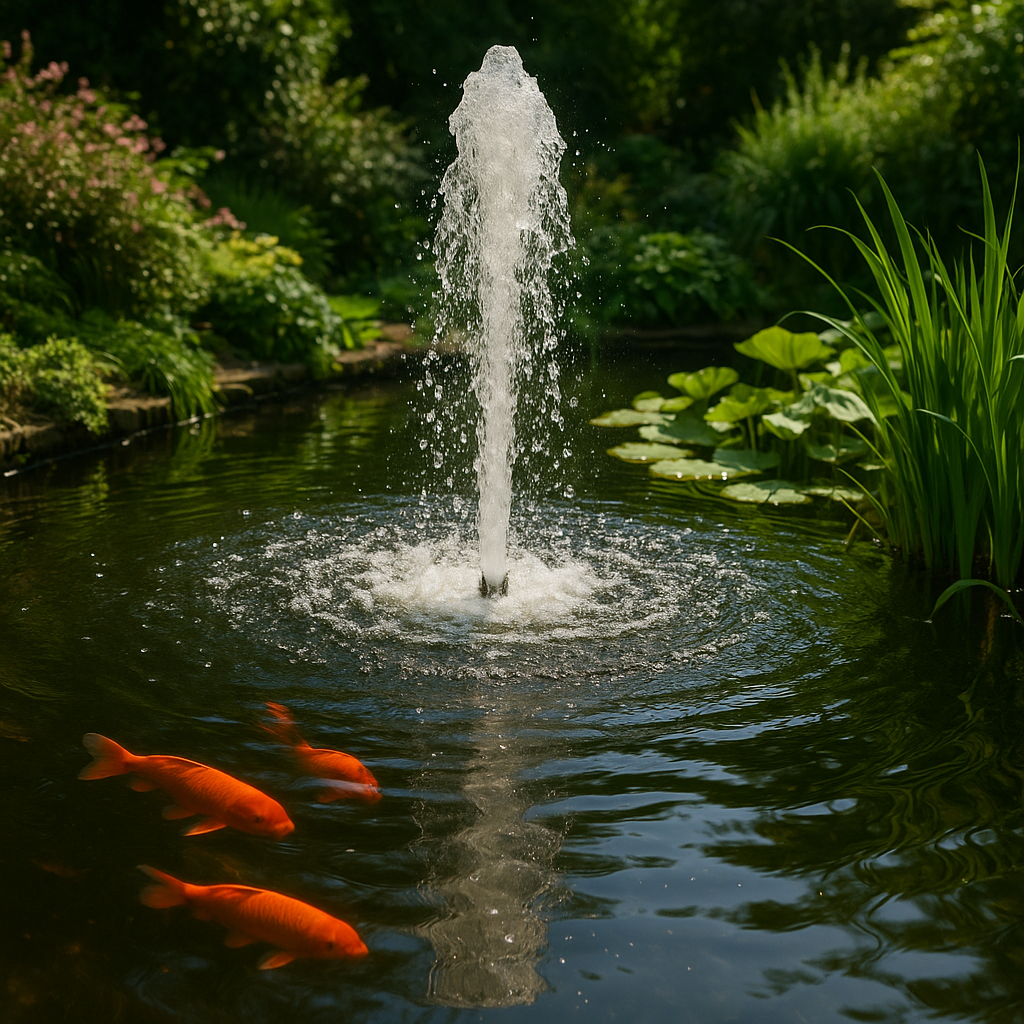
The Importance of Garden Pond Aeration: Revitalizing Aquatic Ecosystems
Garden ponds are more than just decorative elements in our backyards; they are vibrant ecosystems supporting a multitude of life forms. However, maintaining a balanced aquatic environment requires attention to specific factors, one of the most crucial being aeration. Aerating a garden pond enhances not only the wellbeing of fish and plants but also promotes cleaner, clearer water and a more vibrant ecosystem overall.
What Is Pond Aeration?
At its core, pond aeration involves the process of increasing the oxygen saturation in the water. This is achieved through mechanical means, typically using pumps that introduce air into the water, or through natural methods such as waterfalls or streams that agitate the surface water. Why is oxygen so vital? Oxygen is essential for the survival of fish and beneficial bacteria that break down organic matter, making aeration an indispensable practice in pond maintenance.
Why Is Aeration Necessary?
-
Supporting Aquatic Life: Fish and other aquatic animals require dissolved oxygen for survival. The oxygen levels in ponds can drop due to factors like temperature variations, overpopulation of aquatic organisms, and stagnant waters. Aeration helps keep oxygen levels sufficient for healthy aquatic life.
-
Promoting Beneficial Bacteria: Maintaining beneficial bacterial populations is key to breaking down organic debris, excess nutrients, and waste in the pond water. Aeration encourages the growth of aerobic bacteria, which thrive in the presence of oxygen and help decompose harmful substances.
-
Reducing Algae Blooms: Algae blooms often occur in stagnant water with excess nutrients. By aerating the pond, you can improve water circulation and reduce nutrient concentrations, thus minimizing the conditions that promote algae growth.
-
Improving Water Clarity: The introduction of oxygen and improved circulation can lead to cleaner, clearer water. This maintains the visual appeal of your garden pond and ensures aquatic life thrives.
-
Preventing Stratification: In deeper ponds, water layers can form based on temperature (thermal stratification). The bottom layers can become devoid of oxygen, leading to anoxic conditions, where fish and plant life suffer. Aeration helps to mix these layers, ensuring a uniform distribution of oxygen.
Who Needs to Aerate Their Pond?
While you may assume aeration is only necessary for larger ponds or those densely populated with fish, any garden pond can benefit from aeration:
-
New Ponds: If you’ve recently installed a garden pond, aeration will help establish beneficial bacteria faster and support the initial flora and fauna.
-
Ponds with Fish: If you keep fish in your pond, particularly species that require higher oxygen levels (like goldfish or koi), aeration is crucial.
-
Stagnant Water Bodies: Ponds that exhibit stagnant water problems will see significant improvement with aeration.
-
Overly Nutrient-Rich Ponds: Ponds that experience frequent algae blooms necessitate aeration to balance nutrient levels and improve water conditions.
How to Aerate Your Garden Pond
There are various methods to aerate a pond, each with its advantages and specific operational nuances.
1. Surface Aerators
These devices float on the water’s surface and create agitation and turbulence, increasing the oxygen exchange from the air to the water.
-
Pros:
- Often easy to install.
- Effective at maintaining oxygen levels during warmer months when water oxygen levels tend to drop.
-
Cons:
- They may move water around too aggressively, potentially causing stress to certain fish species.
2. Fountain Aerators
Fountains serve a dual purpose—aesthetic appeal and aeration. They work by pulling water from below, spraying it into the air, and creating a mass transfer of oxygen.
-
Pros:
- Provides visual aesthetics.
- Effective at increasing oxygen levels.
-
Cons:
- Installation and maintenance can be more complicated compared to simpler aerators.
3. Diffused Aeration Systems
These systems consist of a compressor that pumps air through tubing to diffusers placed at the pond’s bottom, releasing small bubbles of air that rise to the surface.
-
Pros:
- Highly efficient at oxygenating deeper waters.
- Good for large ponds or where the water is deeper.
-
Cons:
- More expensive than surface aerators and fountains.
- Requires more maintenance over time.
Frequently Asked Questions (FAQs)
1. How do I know if my pond needs aeration?
You can assess your pond’s need for aeration by checking for common signs such as stagnant water, unpleasant odors, algae blooms, and if your fish exhibit signs of stress, like gasping at the surface or reduced activity.
2. Can over-aeration harm my pond?
While aeration is largely beneficial, excessive surface agitation can stress fish. A good practice is to monitor fish behavior and adjust your aeration methods appropriately.
3. When is the best time to aerate my pond?
Aeration is particularly important during the warmer months and during spring when water temperatures rise, leading to lower oxygen levels. However, aerating in winter can also prevent complete ice cover, allowing for gas exchanges.
4. Does rainwater affect aeration levels?
Rain can dilute pond water, often affecting oxygen levels. However, the primary concern is after substantial rainfall—ponds can become overloaded with nutrients leading to algae blooms. Aeration can help manage this.
5. Are there any natural methods of aeration?
Yes! Waterfalls, streams, or rock features in your pond can naturally aerate water by increasing surface agitation. Plants play a role too; aquatic plants release oxygen into the water through photosynthesis.
Enhancing Pond Aeration with Aquatic Plants
In addition to mechanical aeration, introducing aquatic plants can enhance oxygen levels in your pond naturally.
-
Submerged Plants: Species like hornwort and eelgrass can produce oxygen during photosynthesis while also providing habitat and food for fish.
-
Floating Plants: Water lilies and lotus not only beautify your pond but also offer shaded areas for fish, preventing overheating while enhancing oxygen production.
-
Marginal Plants: Species like cattails and rushes help filter excess nutrients from the water, further contributing to a balanced ecosystem.
Maintenance and Monitoring
Regular monitoring of your garden pond’s health is essential. Consider the following steps:
-
Test Water Quality: Routinely test the water for pH, ammonia, nitrate/nitrite levels, and dissolved oxygen levels. Maintaining optimal water quality ensures a thriving ecosystem.
-
Observe Fish Behavior: Healthy, active fish typically indicate good water quality. If fish are gasping for air or are lethargic, it may be a sign that aeration or water quality needs improvement.
-
Inspect and Clean Equipment: Regularly check the condition of your aeration equipment. Clean filters and diffusers to maintain optimal functionality.
-
Balance Nutrient Levels: Maintaining balanced nutrient levels prevents algae blooms. This can often be achieved with the help of aquatic plants and ensuring proper waste management within the pond.
Conclusion
Aeration is a key component in maintaining healthy ecosystems within garden ponds. Not only does it support fish and beneficial bacteria, but it also combats algae growth, improves water clarity, and helps prevent stratification. By employing appropriate aeration methods, coupled with the integration of aquatic plants, pond owners can ensure their ponds are not only beautiful landscapes but also thriving habitats for aquatic life.
Whether you have a small decorative pond or a sprawling koi haven, integrating effective aeration strategies will enhance the longevity and health of your garden ecosystem. Embrace the rhythm of the water, the whispers of the paddles of dragonflies, and the splashes of swimming fish—embrace the beauty of aerated ponds in your garden paradise.