
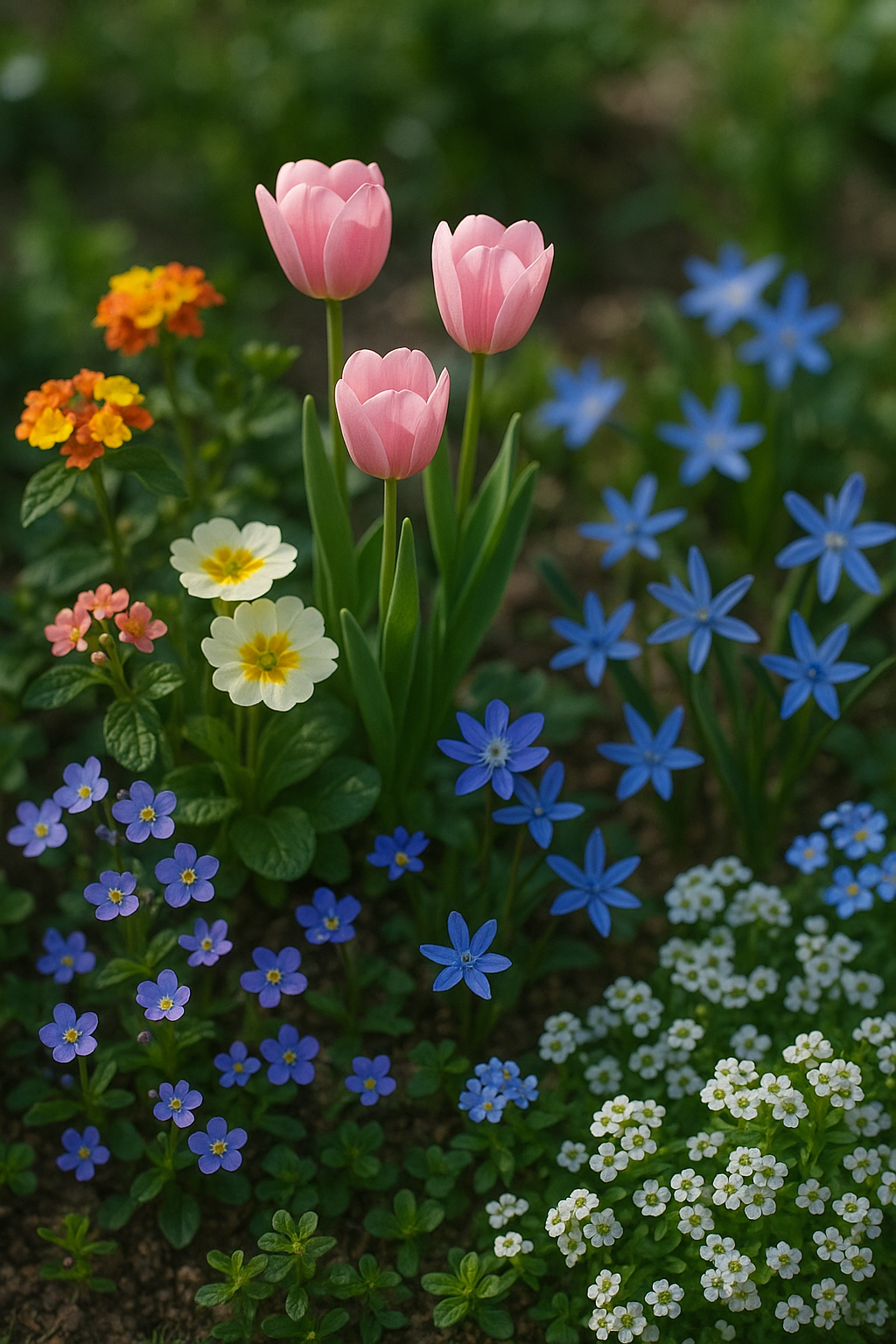
When we think of flowers, our minds often gravitate toward grand vistas of vibrant blooms—lush garden beds, sprawling fields, and ornate floral arrangements. However, the enchanting domain of small flowers deserves just as much attention. These miniature blooms possess a quiet charm that often goes unnoticed, yet their beauty and significance in ecosystems, gardens, and our lives are profound. In this article, we will explore the multifaceted world of small flowers, answering common questions and delving into their biology, symbolism, and practical applications.
What Are Small Flowers?
Small flowers refer to any bloom that typically measures less than two inches in diameter. These petite petals can be found in countless species across various plant families, from wildflowers in the mountains to cultivated varieties in urban gardens. Some common examples include violets, daisies, scabiosa, and alyssum. While they may be small in size, they contribute significantly to ecological balance and beauty in our surrounding environments.
Why Are Small Flowers Important?
Small flowers may often be overshadowed by their larger counterparts, but they play pivotal roles:
-
Pollination: Many small flowers provide essential resources for bees, butterflies, and other pollinators. The structure and size of these blooms often cater to specific pollinators, ensuring efficient transfer of pollen.
-
Biodiversity: These flowers contribute to diverse ecosystems, supporting a myriad of fauna ranging from insects to larger wildlife. A variety of small flowering plants enhances ecological resilience.
-
Aesthetic Appeal: Their subtle beauty can transform a space. Small flowers tend to create intricate patterns and textures, adding depth and interest to gardens, window boxes, and floral arrangements.
-
Culinary Uses: Some small flowers are edible and add flavor, color, and unique texture to dishes. Flowers like nasturtiums and chive blossoms are celebrated in gourmet cuisine.
-
Medicinal Benefits: Many small flowers have historically been used for their medicinal properties, from chamomile to calendula.
What Types of Small Flowers Are Popular?
1. Violets (Viola spp.)
Characteristics: Violets come in an array of colors, including purple, white, and yellow. Their heart-shaped leaves add to their ornamental value.
Question: What are the growing conditions for violets?
Answer: Violets thrive in partial shade to full sun and prefer moist, well-drained soil. They’re often found in forests and meadows.
2. Daisies (Bellis perennis)
Characteristics: These iconic flowers feature a central yellow disc surrounded by white petals and symbolize purity and innocence.
Question: Can daisies be grown from seed?
Answer: Yes, daisies can be easily grown from seed. They prefer well-drained soil and sunny locations.
3. Creeping Thyme (Thymus serpyllum)
Characteristics: This herb produces tiny purple flowers, is aromatic, and can withstand foot traffic, making it perfect for ground cover.
Question: How can I use creeping thyme in my garden?
Answer: Use creeping thyme as a ground cover, in rock gardens, or between stepping stones for a fragrant, practical addition.
4. Alyssum (Lobularia maritima)
Characteristics: Alyssum comes in various colors, with tiny flower clusters that exude a sweet honey-like fragrance.
Question: Do alyssum flowers attract pollinators?
Answer: Yes, alyssum flowers are popular with bees and other pollinators, making them beneficial for garden biodiversity.
5. Forget-Me-Nots (Myosotis spp.)
Characteristics: These charming blue flowers symbolize remembrance and are often used in gardens for their soft color.
Question: How do I propagate forget-me-nots?
Answer: Forget-me-nots can be propagated through seed or division. They prefer moist, well-drained soil and partial shade.
The Science Behind Small Flowers
Anatomy of a Flower
Flowers, regardless of their size, have a similar basic structure:
- Petals: Attract pollinators with their color and shape.
- Sepals: Protect the flower bud before it blooms.
- Stamens: Male reproductive parts that produce pollen.
- Pistils: Female reproductive parts that contain the ovary.
Small flowers often have adaptations that allow them to remain efficient pollination sites while conserving energy and nutrients.
Pollination Mechanisms
Pollination is a crucial process for flowering plants, and small flowers often employ specialized strategies:
-
Attracting Specific Pollinators: Smaller blooms may be tailored to attract particular species of insects, ensuring their reproductive success.
-
Self-Pollination: Some small flowers have evolved to self-pollinate, maximizing seed production in isolated environments.
-
Wind Pollination: Certain species, like grasses that produce inconspicuous flowers, rely on wind to carry pollen.
What Are the Best Practices for Growing Small Flowers?
Choosing the Right Flowers
Opt for flowers that suit your climate and soil conditions. Native varieties are often the easiest to grow and maintain.
Preparing Soil
Good drainage is crucial for most small flower species. Before planting, amend the soil with organic matter.
Sunlight Requirements
Ensure you classify the sunlight needs of small flowers—some thrive in full sun, while others may prefer shaded areas.
Watering Considerations
Small flowers generally prefer consistently moist soil but be aware of overwatering. Use mulch to help retain moisture while preventing weeds.
Pruning and Maintenance
Regular deadheading (removing spent flowers) can encourage new growth and prolong blooming periods. Keep an eye out for pests and take necessary action, such as introducing beneficial insects.
Small Flowers in Different Cultures
Symbolism and Meanings
Throughout history, small flowers have held various meanings in different cultures:
- Violets: In Victorian culture, violets symbolized modesty and faithfulness.
- Forget-Me-Nots: Commonly associated with remembrance, these flowers often serve as a poignant symbol of lost loved ones.
- Daisies: Representing innocence and purity, daisies frequently appear in children’s literature and art.
Culinary Traditions
Various cultures incorporate small flowers into their cuisines. For example, in European and Asian cooking, edible flowers such as nasturtiums, pansies, and chive blossoms add vibrant color and flavor to dishes.
The Ecological Significance of Small Flowers
Supporting Wildlife
Small flowers provide vital nectar and pollen sources for many species. They attract not only pollinators but also birds, which seek out the seeds produced by these plants.
Featuring in Conservation Strategies
Re-establishing native small flower species is a critical step in ecological restoration projects. These flowers help revive ecosystems by supporting local wildlife populations.
Small Flowers in Landscaping and Garden Design
How to Design with Small Flowers
-
Layering: Incorporate small flowers into borders and beds, layering them among larger plants for depth.
-
Color Schemes: Utilize color theory—small flowers can be used to complement or contrast with larger blossoms to create vibrant displays.
-
Textural Interest: The variety of shapes and heights among small flowers adds texture and visual interest to a garden design.
Container Gardening
Small flowers are perfect for container arrangements. Given their size, they can thrive in pots on balconies, patios, or even indoors near a light source.
Challenges in Growing Small Flowers
Diseases and Pests
Small flowers can be susceptible to various pests and diseases. Here are a few common ones:
-
Aphids: These small sap-sucking insects can be detrimental, but beneficial insects, like ladybugs, can help.
-
Powdery Mildew: This fungal disease may appear on leaves in humid conditions. Solutions include proper airflow and spacing.
Environmental Stressors
Extreme weather conditions, changes in soil pH, and poor drainage can affect the health of small flowers. Regular monitoring and adjustment can mitigate such challenges.
Conclusion: Embracing the Beauty of Small Flowers
Small flowers are nature’s delicate gems, each contributing to a rich tapestry of biodiversity, culture, and beauty. From their ecological roles to their contributions to culinary arts and human sentiments, they play a massive part in our world, reminding us to appreciate the finer details of life.
Whether you are an avid gardener, a casual nature enthusiast, or simply someone seeking to brighten up their space, exploring the myriad of small flowers available can provide you with both inspiration and joy. So, the next time you wander through a garden or a wildflower meadow, take a moment to admire these small blooms—they are the unsung heroes of our natural environment, deserving of acknowledgment and appreciation.