
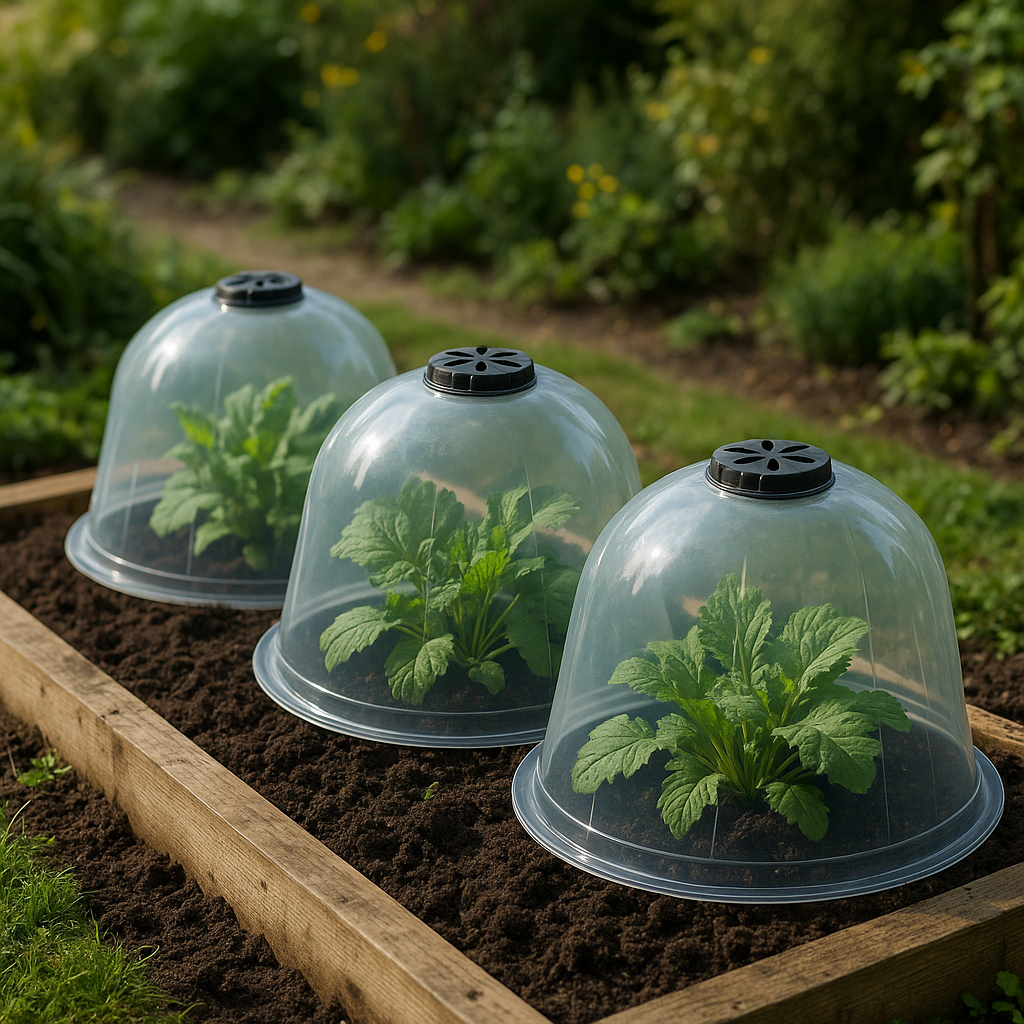
As the warmth of spring begins to thaw the chill of winter, gardeners worldwide are filled with anticipation for the planting season. However, the unpredictability of early spring weather can often pose challenges to those eager to cultivate their garden beds. Enter the garden bed cloche, a marvel of simple yet effective gardening technology that can help you extend your growing season, protect your plants, and promote healthier crops. In this comprehensive guide, we’ll explore everything you need to know about garden bed cloches, from their history to their practical applications, benefits, and frequently asked questions.
What is a Garden Bed Cloche?
A garden bed cloche is a protective cover designed to shelter young plants from harsh weather conditions, pests, and potential diseases. Traditionally, cloches were made from glass, resembling small greenhouses over individual plants or rows. However, today, cloches can be crafted from various materials, including plastic, fabric, and wire mesh.
The History of the Cloches
The concept of using cloches dates back centuries. The word “cloche” is derived from the French word for “bell,” aptly describing the bell-shaped covers that were commonly used in Victorian gardens. Historically, gardeners would employ cloches to protect delicate seedlings and extend the growing season. The practice was especially popular among those growing vegetables and flowers in colder climates where the risk of frost loomed large.
How Do Garden Bed Cloches Work?
Garden bed cloches work on a straightforward principle: they trap heat and humidity around plants. The sun’s rays pass through the transparent material, warming the air and soil inside the cloche. This microclimate promotes earlier growth in the spring and can enable late-season harvests in the fall. Cloches also provide a barrier against cold winds, heavy rains, and pests, reducing the stress on plants and aiding in their development.
Benefits of Using Garden Bed Cloches
-
Extended Growing Season: One of the most significant advantages of using cloches is their ability to lengthen both the spring and fall growing seasons. By creating a warm microenvironment, seeds can germinate earlier, and tender plants can be protected from late frosts.
-
Protection from Elements: Cloches provide essential protection against harsh weather conditions like frost, rain, and wind, which can all cause significant damage to young plants.
-
Pest Prevention: Many pests, like slugs, snails, and certain insects, can wreak havoc on tender seedlings. Cloches act as a barrier, helping to shield plants from these threats.
-
Microclimate Creation: The enclosed environment of a cloche helps maintain humidity and warmth, fostering ideal conditions for seed germination and plant growth.
-
Disease Prevention: By keeping plants covered, cloches can help reduce the risk of fungal diseases caused by excessive moisture and poor air circulation.
-
Versatility: Cloches can be used for a wide variety of plants, including vegetables, herbs, and ornamental flowers. They can also be repurposed for various gardening techniques such as seed starting and hardening off plants.
Types of Garden Bed Cloches
Not all cloches are created equal. Here’s a closer look at the different types available:
1. Glass Cloches
Description: Traditional glass cloches are bell-shaped and made of glass. They allow sunlight to penetrate while trapping heat.
Pros:
- Excellent heat retention.
- Durable and reusable for many years.
- Aesthetic appeal in the garden.
Cons:
- Heavy and may break easily.
- Can be pricey compared to plastic options.
- May require more careful placement due to their shape.
2. Plastic Cloches
Description: These are often made from clear or translucent plastic and come in various shapes and sizes, from simple low tunnels to larger covers.
Pros:
- Lightweight and easier to move.
- Typically more affordable than glass cloches.
- Available in a variety of styles.
Cons:
- May degrade over time due to UV exposure.
- Less durable than glass cloches.
3. Fabric Cloches
Description: Made from breathable fabric, these cloches allow air and moisture to circulate while still providing protection from the elements.
Pros:
- Lightweight and easy to install.
- Breathable material helps prevent heat buildup.
- Often made from recycled or eco-friendly materials.
Cons:
- Less effective at creating a warm microclimate than glass or solid plastic.
- Wear and tear may occur more quickly than with glass or hard plastic.
4. Wire Mesh Cloches
Description: These cloches usually consist of a frame covered with wire mesh or a fine screen. They’re great for protecting plants from larger pests like rabbits or birds.
Pros:
- Provides excellent ventilation and prevents overheating.
- Durable and reusable.
- Can be customized in terms of size and shape.
Cons:
- Less effective at providing heat.
- May not be suitable for very young or tender plants without additional insulation.
How to Use Garden Bed Cloches
1. Selecting the Right Size and Type
The first step is to choose the right size and type of cloche based on your specific plants and garden setup. For small seedlings, individual glass or plastic cloches work effectively, while larger ditches may benefit from plastic tunnel cloches.
2. When to Use Cloches
- Spring: Begin using cloches as soon as the threat of frost passes but before the soil has fully warmed. This will help jumpstart germination and early growth.
- Fall: As the growing season winds down, cover plants to protect them from early frosts and extend your harvest.
3. Placement
- Locate your cloches so they receive maximum sunlight during the day. Ensure they are secure and not easily blown away by strong winds.
- For glass or plastic cloches, consider placing them on a surface that can absorb the sun’s heat, like dark soil.
4. Ventilation
As temperatures rise, it’s essential to allow for ventilation. Most fabric and some plastic cloches can be adjusted or removed entirely on warmer days. For solid cloches, carefully lift them for a few hours to allow fresh air to circulate.
5. Monitoring Conditions
Regularly check soil moisture and temperature levels beneath the cloches. Adjust your watering routine as necessary, keeping in mind that enclosed areas can warm up quickly and may dry out faster.
Frequently Asked Questions
1. How long can I leave a cloche on my plants?
Leaving a cloche on too long can lead to overheating and stress. Monitor temperature increases during the day, especially in the afternoon. Allow for ventilation and remove the cloche when temperatures rise above 80°F (27°C).
2. Can I use a cloche for all types of plants?
While cloches work well for many plants, it’s essential to consider the size and growth habits of your chosen crops. Tender plants that require warmer conditions benefit most, while established plants may not need the added protection.
3. How do I make a DIY cloche?
Creating your own cloche can be simple! Use materials like:
- Plastic Bottles: Cut the bottom off, leaving the cap on. This creates a mini-greenhouse.
- PVC Pipe: Create a frame and cover it with clear plastic.
- Old Windows: Repurpose windows to create a larger greenhouse effect.
4. Are cloth cloches effective against pests?
Fabric cloches can deter many larger pests and some smaller insects. However, they may not be effective against all pests, particularly those that can easily pass through the fabric mesh.
5. Can I grow seedlings in the cloche year-round?
While cloches can help extend growing seasons, year-round production depends on factors like local climate, light availability, and specific plant needs. In areas with mild winters, insulated cloches may be beneficial.
6. When should I start using cloches in the spring?
Monitor local frost dates and use cloches shortly before planting. Many gardeners begin using cloches around 4-6 weeks before their average last frost date.
7. Do cloches help with disease prevention?
Cloches can help mitigate the risk of disease by keeping foliage dry and reducing direct exposure to wet conditions, which can foster fungal growth. Regular ventilation is crucial for maintaining healthy conditions.
Final Thoughts
The garden bed cloche is an indispensable tool for gardeners looking to maximize their harvest and protect their plants. Whether you choose a traditional glass bell, a modern fabric option, or a DIY version of your own design, the benefits of using cloches are undeniable. By creating a thriving microclimate, cloches can help you stay ahead of unpredictable weather, pests, and plant diseases, allowing you to enjoy a bountiful, successful gardening season.
Gardening is a blend of art and science, and with the help of cloches, you can weave a bit of magic into your garden—extending your growing season while nurturing the next generation of plants. So why not take the plunge, invest in some garden bed cloches, and experience the transformation for yourself? Happy gardening!
This article provides a thorough understanding of garden bed cloches, ensuring you are well-equipped to implement them in your gardening practices. Feel free to share this knowledge with fellow gardening enthusiasts looking to make the most of their horticultural efforts!