
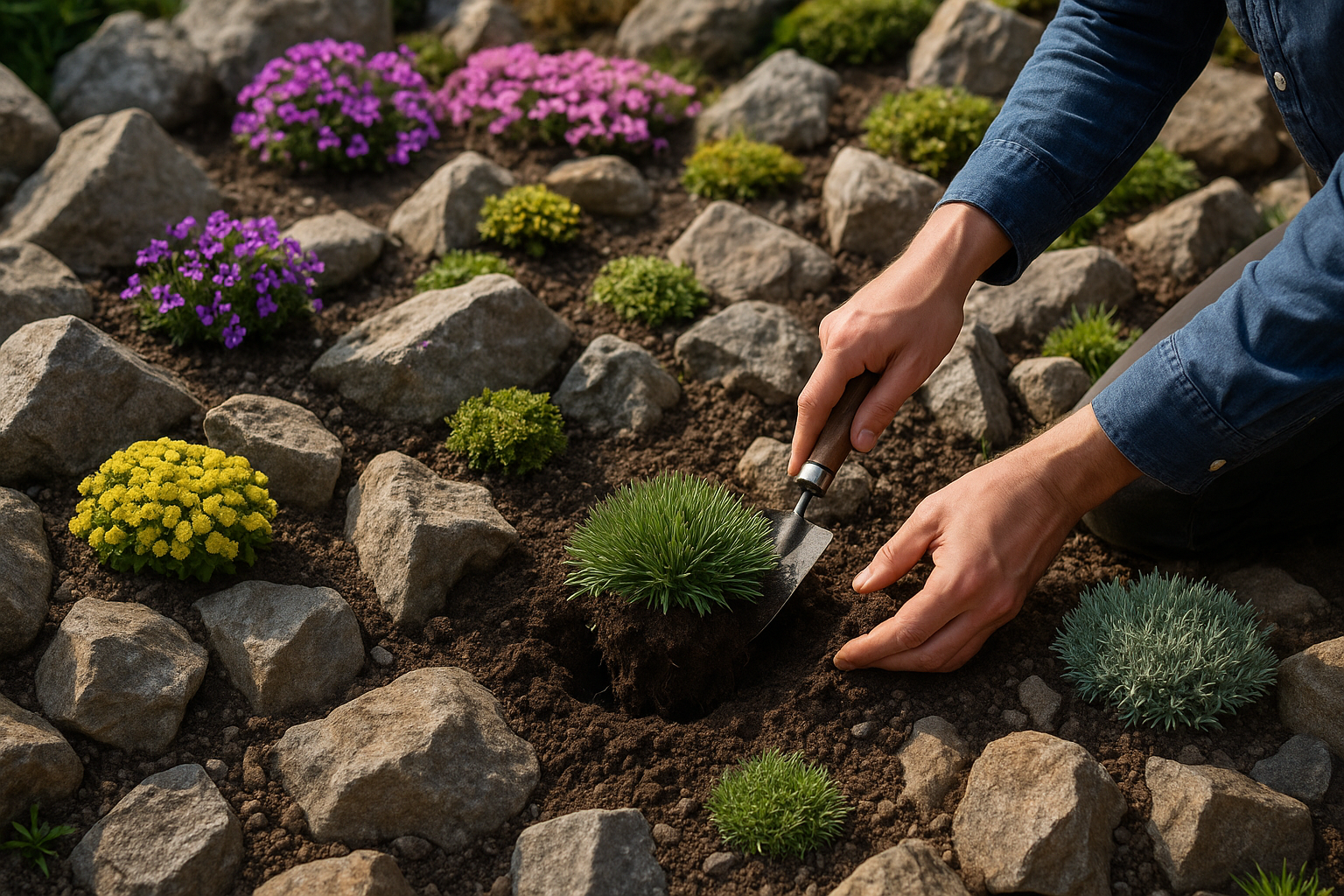
Creating an alpine rock garden is an excellent choice for garden enthusiasts seeking to cultivate a unique landscape that requires minimal maintenance while still offering stunning beauty. These gardens, characterized by their rocky terrain, crevices, and a diverse array of colorful hardy plants, can successfully mimic the enchanting alpine environments found in nature. One of the most critical aspects of establishing an alpine rock garden is timing, as the right period for planting can significantly affect plant health and growth.
Understanding Alpine Plants
What Are Alpine Plants?
Alpine plants are those that thrive in cold, mountainous regions, often found at elevations above the tree line. These plants have adapted to survive in harsh conditions, with specialized features like deep root systems and small but hardy leaves. Common examples include:
- Saxifraga (rockfoil)
- Sempervivum (hens and chicks)
- Edelweiss (Leontopodium alpinum)
- Editrke (Creeping Phlox)
Why Choose Alpines for Rock Gardens?
Alpine plants constitute the backbone of rock gardens for a variety of compelling reasons:
- Diverse Beauty: These plants offer a wide range of colors, shapes, and sizes, from vibrant blooms to textured foliage.
- Drought-Resistant: Most alpine plants are drought-tolerant, making them ideal for regions with less reliable rainfall.
- Low Maintenance: Once established, alpine plants require very little care, allowing even busy gardeners to enjoy their beauty.
- Unique Ecosystem: Rock gardens can attract beneficial wildlife, including pollinators and birds.
Timing Your Alpine Garden Planting
When it comes to planting alpine species, timing is crucial for success. The following sections will help you understand the best practices regarding when and how to plant your alpine rock garden.
What is the Best Season to Plant?
The optimal planting seasons for an alpine rock garden are in the spring and fall. Each season has its advantages:
Spring Planting:
-
Favorable Growing Conditions: For most regions, spring provides warm, increasing temperatures, ideal for root establishment. As the frost risks recede, your plants can adapt to their new environment.
-
Long Growing Season: Planting in spring gives your alpines a whole growing season to establish roots and grow before the cold winter months arrive.
-
Moisture Availability: Natural spring rains can support your plants during the early weeks after planting, reducing the need for supplemental watering.
Fall Planting:
-
Soil Temperature Advantage: The soil is often warmer in the early fall than in spring, promoting root growth before winter sets in.
-
Less Competition: Many annual weeds die back in the fall, making it easier for your young alpines to establish themselves without the competition for nutrients.
-
Moisture Retention: Early fall also tends to carry higher moisture content in the soil, further helping alpine plants settle in.
What About Summer Planting?
While summer planting is technically possible, it comes with challenges:
- Heat Stress: Summer heat can stress young plants, making it hard for them to establish deep roots.
- Water Requirements: More frequent watering becomes necessary, which can be a hassle.
Recommendation: If you must plant in the summer, consider doing so early in the season, giving your plants some time before the peak heat arrives.
Establishing Your Garden Layout
What Should You Consider When Designing Your Alpine Garden?
Creating the perfect rock garden involves more than just planting at the right time. Consider the following elements:
Location:
-
Sunlight: Most alpine plants require full sun exposure for at least part of the day. Most necessitate around 6-8 hours of sunlight.
-
Drainage: Elevate the planting area with rocks and gravel to ensure proper water drainage, as alpines cannot tolerate soggy roots.
Soil Composition:
-
Type: A well-draining sandy or gravelly soil mixed with organic matter is ideal for alpine plants.
-
pH Levels: Most alpine plants prefer slightly acidic to neutral pH levels. A soil test can help confirm this.
Elevation and Structure:
-
Rocks: Use a variety of rocks of different sizes to mimic natural alpine environments. They can also help with drainage.
-
Terracing: Consider creating levels or terraces to accommodate different plant types that prefer varied conditions.
Which Plants to Choose?
Choosing the right combination of alpine plants is essential. Mix flowering perennials with foliage plants for visual interest. Here are some excellent choices for your garden:
-
Low-Growing Sedums: These succulent plants not only thrive in poor soil but also bloom beautifully.
-
Creeping Phlox: Ideal for ground cover, these hardy plants offer vibrant spring blooms.
-
Mountain Avens (Dryas): Known for their delicate flowers and resilience, these are a great choice for higher elevations.
Preparing for Planting
What Supplies Do You Need?
Preparing for your planting day requires a few essential tools and supplies:
-
Gloves: Protect your hands, especially when handling rocky materials.
-
Shovel or Trowel: For digging holes for your plants.
-
Soil Mix: Prepare your soil mix before planting to save time on the day.
-
Watering Can or Hose: Ensure you can immediately water your newly planted alpines.
How Should You Plant Alpines?
Step-by-Step Instructions:
-
Dig Holes: Turn over the soil where you’ve decided to plant, ensuring the holes are deep enough to accommodate the root systems.
-
Add Soil Mix: Incorporate your well-draining soil mix in the holes to give your plants a solid launching pad.
-
Position Plants: Place each alpine plant at the recommended spacing. Generally, space them according to their mature width to avoid overcrowding.
-
Cover Roots: Gently backfill the holes with soil, making sure that the crowns of your plants are level with the soil surface.
-
Water: After planting, water the new additions thoroughly but avoid oversaturation.
How to Care for Your Newly Planted Alpines
What is the Ongoing Care Required?
Once your alpine rock garden is planted, the following care steps will ensure it thrives:
-
Watering: Although alpines are drought-resistant, newly planted ones require regular watering until they establish enough root structure. Water them weekly, especially during hot seasons.
-
Mulching: A layer of mulch can help retain moisture and suppress weeds. Organic materials like wood chips work well, but avoid using materials that can absorb moisture, like leaves.
-
Fertilizing: Minimal fertilization is usually successful. Choose a slow-release, low-nitrogen fertilizer and apply it annually in the spring.
-
Pruning: Regularly remove dead blooms and overgrown foliage to encourage new growth.
What Threats Should You Watch For?
-
Pests: Although not especially prone to pests, aphids or slugs may appear. Monitoring regularly helps.
-
Diseases: Fungal diseases can happen in overly moist conditions. Ensure proper spacing and drainage to avoid this.
-
Weeds: Weeds can cause competition for nutrients and water. Regular weeding is advised.
Seasonal Care
What Seasonal Considerations Should You Make?
Managing an alpine rock garden also involves seasonal adjustments:
-
Winter Prep: In harsher climates, it may be wise to cover young or tender plants with mulch or protective materials to shield them from winter frost.
-
Spring Cleanup: Remove any dead foliage and prepare your plants for the active growing season ahead.
FAQs
Q1: How do I know if my soil is suitable for alpine plants?
A soil test can help you gauge pH levels and nutrient content. Additionally, ensure that the soil is loose and fast-draining.
Q2: Is it possible to create an alpine garden in a small space?
Absolutely! You can create a miniature alpine rock garden in a container or small plot. Just ensure to use the same principles of drainage and sunlight.
Q3: How do I propagate alpine plants?
Many alpine plants can be propagated through division, seed sowing, or cuttings. Each method requires different techniques depending on the species.
Q4: What are the most common mistakes to avoid?
- Overwatering: This is one of the most frequent mistakes. It can lead to root rot.
- Planting Close Together: This can lead to competition for resources and inadequate airflow.
- Ignoring Drainage: Proper drainage is crucial when planting alpines, as they do not thrive in soggy conditions.
Conclusion
The timing and preparation for planting an alpine rock garden can make a substantial difference in the success of your garden. By choosing the right season—whether spring or fall—and applying careful design principles, soil selection, and ongoing care, you can establish a breathtakingly beautiful rock garden.
Creating an alpine habitat not only encourages a flourishing ecosystem but allows you to find joy and connection to nature from your own backyard. As you embark on this exciting gardening journey, the investment in time and planning will yield visual rewards for years to come. Whether you are a novice or an experienced gardener, taking these considerations into account will enrich your alpine gardening experience. Happy planting!