
Introduction
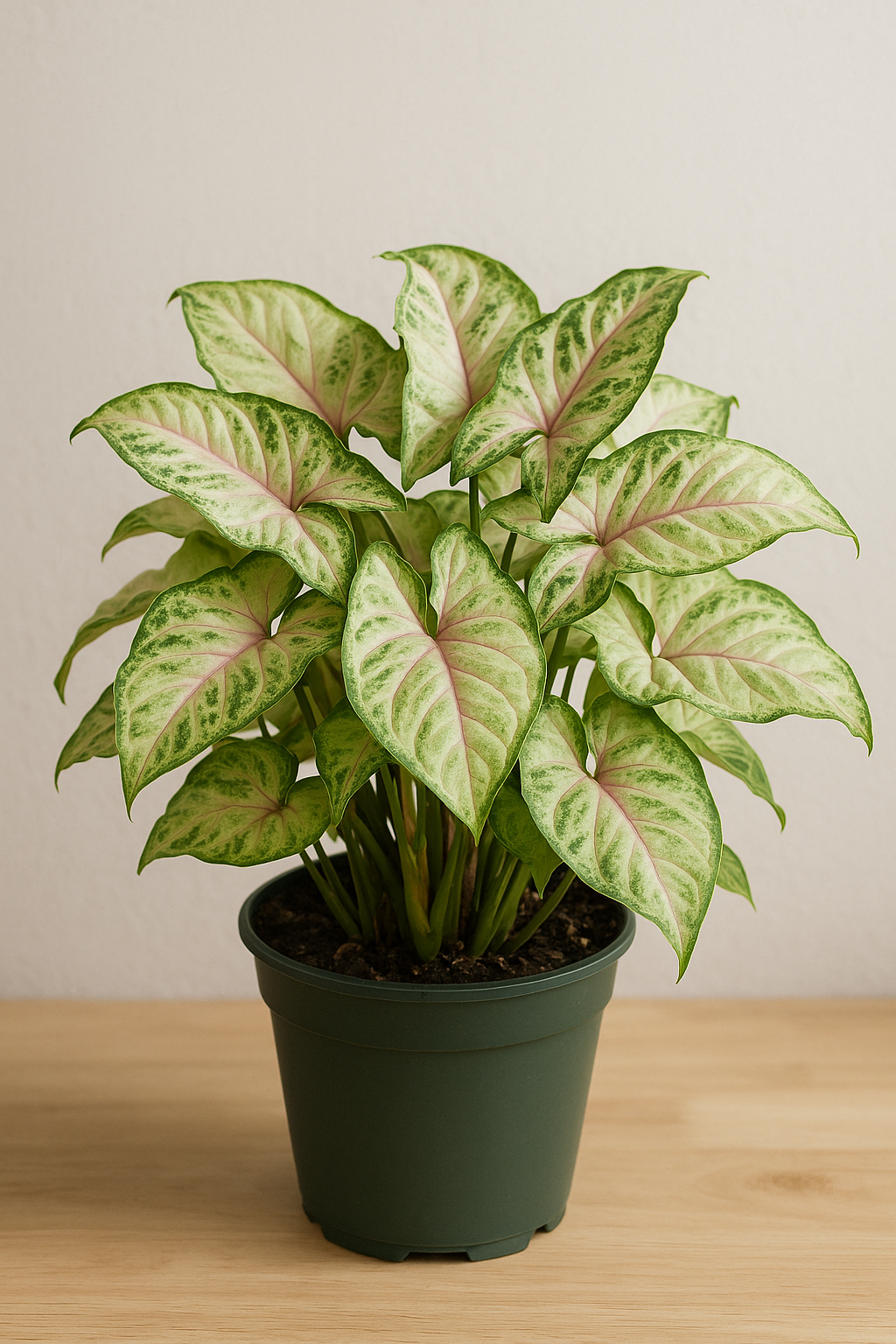
The exotic Arrowhead Plant, scientifically known as Syngonium podophyllum, is more than just a beautiful addition to your indoor space. With its striking foliage and adaptable nature, this tropical plant has won the hearts of plant aficionados and novice gardeners alike. In this article, we delve into the fascinating world of the Arrowhead Plant, exploring its origins, care requirements, benefits, common questions, and much more. Whether you’re considering adding one to your plant collection or simply want to learn more, this comprehensive guide will provide you with the insights you need.
Origins and Varieties of the Arrowhead Plant
Where Does the Arrowhead Plant Come From?
The Arrowhead Plant originates from the rainforests of Central and South America. Its native habitats range from Mexico to parts of Peru and Brazil, where it thrives in warm, humid environments. Given its tropical roots, the Arrowhead Plant revels in warm temperatures and indirect sunlight.
What Are the Different Varieties of the Arrowhead Plant?
-
Neon (or Neon Robusta):
- Characterized by bright lime-green leaves, this variety brings a vibrant pop of color to any space.
-
Maui (or Syngonium ‘Maui’):
- Known for its striking, multi-colored leaves, this variety features shades of green, cream, and pink.
-
Pixie (or Syngonium ‘Pixie’):
- A miniature version of the Arrowhead Plant, perfect for small spaces and tabletops.
-
White Butterfly:
- Displays beautiful white and green variegated leaves resembling the pattern of butterfly wings.
-
Confetti:
- Featuring bright foliage speckled with yellow and cream markings, this variety adds an interesting texture to your plant collection.
What Makes the Arrowhead Plant Unique?
The Arrowhead Plant is unique for its leaf shape, which changes as it matures. Young leaves are arrow-shaped, but as the plant grows, they transition to a more lobed shape. This fascinating transformation keeps plant enthusiasts engaged and curious about their growth.
Care Requirements
How Do You Care for an Arrowhead Plant?
Syngonium podophyllum is known for being relatively low-maintenance, making it an ideal choice for beginner gardeners. However, respecting its specific needs can ensure the plant thrives.
Light
The Arrowhead Plant prefers bright, indirect sunlight. Direct exposure can scorch the leaves, while too little light can stunt growth. An east or west-facing window is generally ideal. If the leaves start to lose their vibrant color or become leggy, it might be time to adjust its light exposure.
Water
Keep the soil consistently moist but not soggy. The plant thrives in a well-draining potting mix. Allow the top inch of soil to dry out before watering again; this helps prevent root rot. During the growing season (spring and summer), it may require more frequent watering.
Humidity
Being a tropical plant, the Arrowhead Plant thrives in high humidity. If conditions are too dry, the leaves may curl or turn brown at the edges. Consider using a humidifier or occasionally misting the leaves to maintain adequate humidity levels, particularly during winter when indoor air tends to dry out.
Temperature
Ideal temperatures range between 60°F to 80°F (15°C to 27°C). The plant is not frost-tolerant, so be cautious with winter temperatures, ensuring it is kept away from cold drafts.
Fertilizer
Fertilizing the plant during the growing season (spring and summer) will encourage healthy growth and vibrant foliage. Use a balanced liquid fertilizer every 4-6 weeks. Be cautious not to over-fertilize, as this can lead to leaf burn.
Pests and Diseases
What Pests Affect the Arrowhead Plant?
Common pests that may affect the Arrowhead Plant include aphids, spider mites, and mealybugs. Regularly inspecting your plant and cleaning its leaves can help prevent infestations. If you do identify pests, using insecticidal soap or neem oil can effectively manage them.
What Diseases Should You Be Aware Of?
Root rot is the most common disease affecting the Arrowhead Plant, often caused by overwatering. Signs include yellowing leaves and mushy roots. Always ensure your plant is in well-draining soil and that excess water can escape from the pot.
Benefits of the Arrowhead Plant
What Are the Benefits of Having an Arrowhead Plant at Home?
The Arrowhead Plant offers numerous benefits beyond its aesthetic appeal:
-
Air Purification: The Arrowhead Plant is effective in filtering indoor air pollutants such as formaldehyde, xylene, and toluene, contributing to a healthier living environment.
-
Low Maintenance: With its adaptable nature and minimal care requirements, the Arrowhead Plant is an excellent choice for busy individuals or beginner gardeners.
-
Aesthetic Appeal: The vibrant foliage adds a touch of greenery to any space, enhancing decor and creating a calming atmosphere.
-
Versatile Growth: The Arrowhead Plant can be grown in various settings, including pots, hanging baskets, or even as a climbing plant on stakes.
-
Symbolic Meaning: In many cultures, the Arrowhead Plant symbolizes growth, prosperity, and abundance, making it a thoughtful gift for occasions like housewarmings.
Frequently Asked Questions (FAQs)
1. Is the Arrowhead Plant Toxic to Pets?
Yes, the Arrowhead Plant is considered mildly toxic to pets, including cats and dogs, due to the calcium oxalate crystals present in its tissues. If ingested, it may cause irritation and discomfort. It’s best to place the plant out of reach of pets or consider adding a non-toxic variety to your home.
2. How Fast Does the Arrowhead Plant Grow?
The Arrowhead Plant is a relatively fast grower, especially during the growing season. With optimal conditions, you may see significant growth in just a few months. It’s also known to trail or climb, making it versatile as a decorative piece.
3. Can I Propagate the Arrowhead Plant?
Yes, propagation is straightforward! You can propagate the Arrowhead Plant through stem cuttings. Take a cutting that includes at least one leaf node, place it in water or soil, and keep it in a warm, humid environment. Roots should develop within a few weeks.
4. How Often Should I Repot My Arrowhead Plant?
Repotting is usually required every 1-2 years, depending on growth and soil quality. Signs that it’s time to repot include roots growing out of the drainage holes and a lack of new growth. Choose a slightly larger pot and ensure it has good drainage.
5. What Should I Do if My Arrowhead Plant Looks Leggy?
Legginess in the Arrowhead Plant can be caused by insufficient light. To remedy this, move the plant to a brighter location while avoiding direct sunlight. You can also prune back leggy stems to encourage bushier growth.
Decorative Uses for the Arrowhead Plant
The Arrowhead Plant’s versatility makes it a favored choice for various decorative purposes:
Indoor Spaces
-
Table Centerpieces: The compact varieties, such as the Pixie, work well as attractive centerpieces.
-
Hanging Baskets: The trailing growth habit of the Arrowhead makes it ideal for hanging baskets, cascading over the edges for a stunning effect.
-
Climbing Decor: By using a moss pole or trellis, you can train your Arrowhead Plant to climb, creating a striking vertical display.
Outdoor Spaces
In warmer climates (USDA Zones 10-11), the Arrowhead Plant can also be used in outdoor gardens, where it can grow as a perennial ground cover. Just ensure it receives the right amount of shade to keep its foliage vibrant.
Styling Your Space with the Arrowhead Plant
The Arrowhead Plant can complement various decor styles:
Minimalist Aesthetics
A single Arrowhead Plant in a simple, modern pot can serve as a focal point in minimalist decor, drawing the eye without overwhelming the space.
Bohemian Vibes
Group several plants together in eclectic pots to create a lively Bohemian vibe. The Arrowhead’s various varieties can add layers of color and texture.
Traditional Looks
In traditional interiors, place the Arrowhead Plant in a vintage ceramic pot for a classic touch. Its rounded leaves can contrast beautifully with more structured furniture.
Conclusion
The exotic Arrowhead Plant is a remarkable addition to any home or garden, offering both beauty and practicality. Its vast array of varieties ensures there is a perfect fit for every style, while its adaptability makes it an accessible choice for gardeners of all skill levels.
From purifying your indoor air to serving as a living piece of art, this tropical gem has much to offer. So why wait? Consider inviting an Arrowhead Plant into your life today and experience the unique marvel it brings! Whether you are a seasoned collector or a beginner, this charming plant embodies the essence of nature’s artistry and will undoubtedly enrich your living space.