
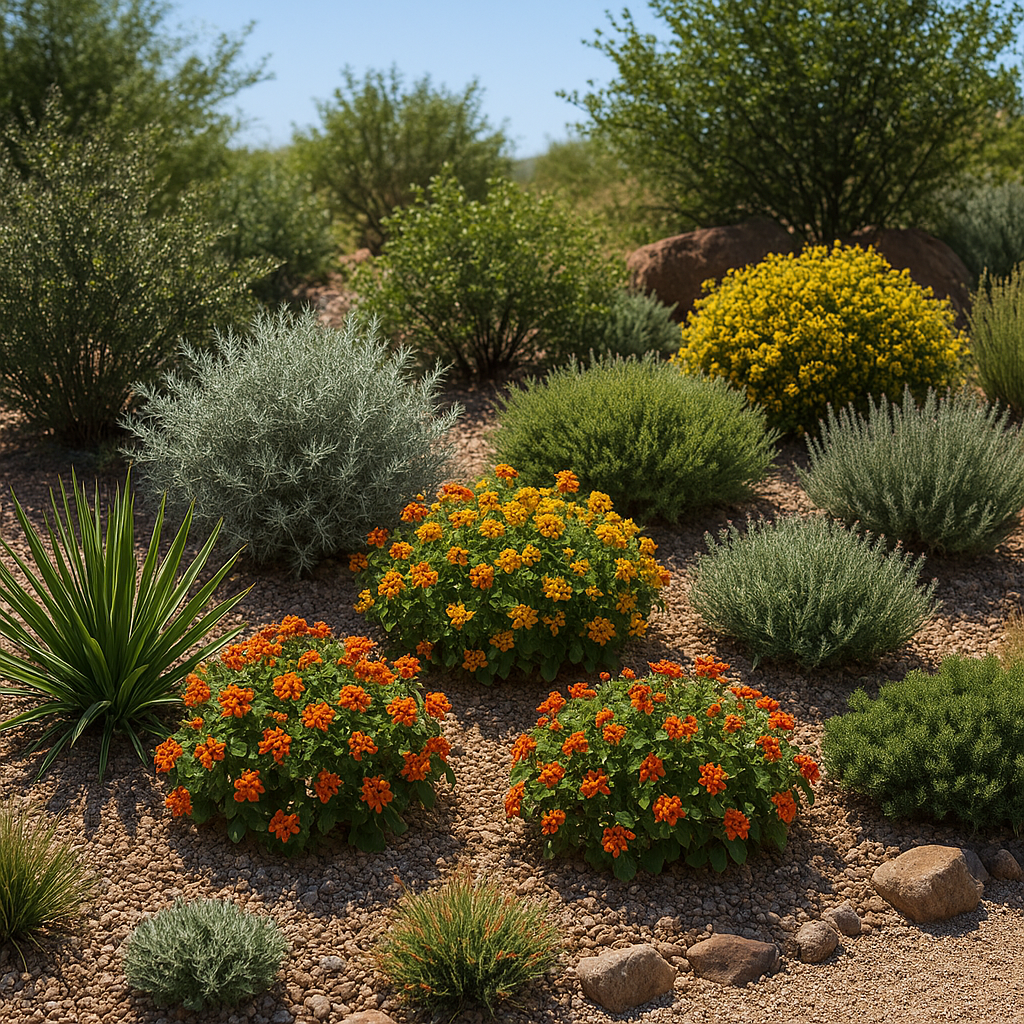
With the increasing instances of climate change, water scarcity has become a pressing issue affecting landscapes, agriculture, and gardens globally. As we grapple with these challenges, drought-resistant shrubs have emerged as invaluable assets for eco-friendly gardening and landscaping. These resilient plants not only contribute to the sustainability of environments but also offer aesthetic appeal and practical benefits.
In this article, we’ll delve deep into the world of drought-resistant shrubs, exploring their varieties, care needs, environmental significance, and how to incorporate them into your garden. We will also address many questions you may have regarding these hardy florae.
Understanding Drought-Resistant Shrubs
What Are Drought-Resistant Shrubs?
Drought-resistant shrubs are plants adapted to survive with minimal water. They possess several unique traits, such as deep root systems, waxy leaves, or specialized storage tissues that enable them to retain moisture and endure prolonged dry periods. These shrubs are not just merely surviving in dry conditions; they thrive and often showcase remarkable beauty, contributing vibrant colors, textures, and forms to your landscape.
Why Should You Consider Planting Drought-Resistant Shrubs?
-
Water Conservation: One of the most significant benefits of drought-resistant shrubs is that they require less water, making them an excellent choice for areas susceptible to water shortages.
-
Lower Maintenance: Once established, these shrubs generally require less maintenance, such as watering, fertilizing, and pruning, saving gardeners time and effort.
-
Environmental Benefits: By planting drought-resistant shrubs, you can contribute to habitat preservation for native wildlife, conserve soil moisture, and reduce the need for chemical fertilizers and pesticides.
-
Aesthetic Appeal: Many drought-tolerant shrubs offer extraordinary aesthetics, with vibrant flowers, unique foliage, and interesting growth habits, enriching any landscape.
Popular Drought-Resistant Shrubs
Here’s a closer look at some popular drought-resistant shrub varieties known for their resilience and beauty:
1. Lavender (Lavandula spp.)
Overview:
Lavender is renowned for its fragrant purple flowers and aromatic leaves, attracting pollinators like bees and butterflies.
Care:
- Sunlight: Full sun (6 to 8 hours per day).
- Soil: Well-drained, sandy or loamy soil.
- Watering: Minimal, once established.
Benefits:
Lavender not only is drought-resistant but also serves therapeutic purposes with its essential oils.
2. Sage (Salvia spp.)
Overview:
Sage encompasses numerous species, including ornamental varieties that are both beautiful and functional as culinary herbs.
Care:
- Sunlight: Full sun.
- Soil: Well-drained, slightly alkaline soil.
- Watering: Low to moderate, but prefers dry conditions.
Benefits:
Sage attracts pollinators and has medicinal properties, making it beneficial in various ways.
3. Barberry (Berberis spp.)
Overview:
Barberries are hardy shrubs with thorny branches and colorful foliage, ranging from greens to reds.
Care:
- Sunlight: Full sun to partial shade.
- Soil: Tolerant of various soil types, but well-drained is preferred.
- Watering: Low, drought tolerant once established.
Benefits:
Their dense growth makes them excellent for hedges or privacy screens.
4. Butterfly Bush (Buddleja davidii)
Overview:
True to its name, the butterfly bush attracts numerous butterflies with its fragrant flowers.
Care:
- Sunlight: Full sun.
- Soil: Well-drained, average soil.
- Watering: Minimal once established.
Benefits:
This shrub blooms abundantly throughout the summer and fall, providing nectar for various pollinators.
5. Coyote Brush (Baccharis pilularis)
Overview:
Coyote Brush is a native California shrub that has sprawling, green foliage and can adapt to various landscapes.
Care:
- Sunlight: Prefers full sun.
- Soil: Adapts to poor, rocky soils.
- Watering: Low; very drought tolerant.
Benefits:
It’s excellent for erosion control and provides habitat for local wildlife.
Choosing the Right Drought-Resistant Shrubs for Your Garden
What Factors Should Be Considered?
-
Climate: Understanding your local climate zones can help you select shrubs suited to the prevailing conditions. The USDA Plant Hardiness Zone Map is a great resource.
-
Soil Type: Conduct a soil test to determine drainage characteristics, pH levels, and nutrient availability.
-
Sun Exposure: Assess the amount of sunlight your garden receives throughout the day to choose shrubs that match those light conditions.
-
Space Availability: Choose shrubs that will fit comfortably in your landscape. Consider their mature size and growth habits.
-
Aesthetic Appeal: Consider your garden’s theme and color scheme, choosing shrubs that complement each other and the existing plants.
Incorporating Drought-Resistant Shrubs into Your Landscape
How Can You Arrange Drought-Resistant Shrubs?
-
Layered Planting: Arrange taller shrubs at the back and shorter ones at the front to create depth.
-
Group Planting: Plant shrubs in clusters to mimic natural habitats, which can enhance visual interest and biodiversity.
-
Backdrops and Screens: Use taller shrubs as living screens or backdrops to create privacy and add dimension.
-
Ground Covers: Pair drought-resistant shrubs with ground covers to reduce weeds and retain soil moisture.
-
Focal Points: Use standout shrubs, such as an ornamental sage or butterfly bush, as focal points in the landscape.
Are There Specific Tips for Care?
-
Proper Watering Techniques:
- Water shrubs deeply but infrequently to encourage deep root growth.
- Use mulch to retain soil moisture and reduce evaporation.
-
Soil Management:
- Amend soil with organic matter to improve drainage and nutrient content.
- Consider rain gardens or swales to manage runoff and promote saturation where possible.
-
Pruning:
- Prune dead, damaged, or diseased branches to promote healthy growth.
- Shape shrubs according to their natural form, avoiding excessive trimming.
Environmental Benefits of Drought-Resistant Shrubs
How Do Drought-Resistant Shrubs Benefit the Ecosystem?
-
Water Conservation: By utilizing these shrubs, we can significantly reduce water consumption in landscapes while still maintaining greenery.
-
Soil Erosion Prevention: Many drought-resistant shrubs have deep-root systems that help stabilize the soil and prevent erosion.
-
Biodiversity Enhancement: These plants often attract diverse wildlife, including birds, bees, and butterflies, supporting the broader ecosystem.
-
Climate Resilience: Incorporating a variety of drought-resistant plants can contribute to a resilient landscape that withstands climatic shifts.
-
Reduction in Chemical Use: With lower water needs, gardeners are less likely to apply chemical fertilizers and pesticides, promoting healthier ecosystems.
Misconceptions and Challenges
What Are Common Misunderstandings About Drought-Resistant Shrubs?
-
All Drought-Resistant Plants Are Ugly:
- While some may not be conventionally “pretty,” many drought-resistant shrubs are highly ornamental and enhance any garden with unique textures and colors.
-
They Don’t Need Any Water:
- While they are drought-tolerant, all plants need some water, particularly during establishment. It’s essential to offer consistent moisture until they are well-rooted.
-
They Are Only for Dry Climates:
- Many drought-resistant shrubs can thrive in various climates, including humid environments, as long as they have well-drained soil.
-
They Require No Maintenance:
- Though generally lower maintenance than other shrubs, they still require some care in terms of pruning, pest management, and occasional watering during extreme dry spells.
Conclusion
Drought-resistant shrubs represent a forward-thinking approach to gardening and landscaping in an age where water scarcity is a growing concern. By choosing these resilient plants, you can create beautiful landscapes that conserve water, protect ecosystems, and require minimal maintenance.
Whether seeking aesthetic appeal, environmental benefits, or simply practical solutions to cope with climate change, planting drought-resistant shrubs is an excellent choice. As you embark on your gardening journey, embrace the diversity of options available, and enjoy the transformation of your landscape into a vibrant, sustainable haven.
FAQs:
1. Are all drought-resistant shrubs native to my area?
Not all drought-resistant shrubs are native, but choosing local species can enhance biodiversity and offer better adaptability to your area’s conditions.
2. How long does it take for a drought-resistant shrub to become established?
Typically, it takes about 2-3 years for shrubs to establish deep root systems and become fully drought-tolerant.
3. Can I combine drought-resistant shrubs with non-drought-tolerant plants?
Yes, but consider grouping plants with similar water needs to ensure that all thrive optimally.
4. What pests are common with drought-resistant shrubs?
Like any plant, drought-resistant shrubs can face pests such as aphids, spider mites, and scale. Regular monitoring and organic control measures can help.
5. Can I propagate drought-resistant shrubs?
Yes! Many shrubs can be propagated via cuttings, layering, or division. Research specific methods for the shrubs you choose.
By thoughtfully incorporating drought-resistant shrubs into your garden, you’re not only enhancing its beauty but also contributing to a more sustainable future. Let’s embrace these hardy plants for the countless benefits they provide.