
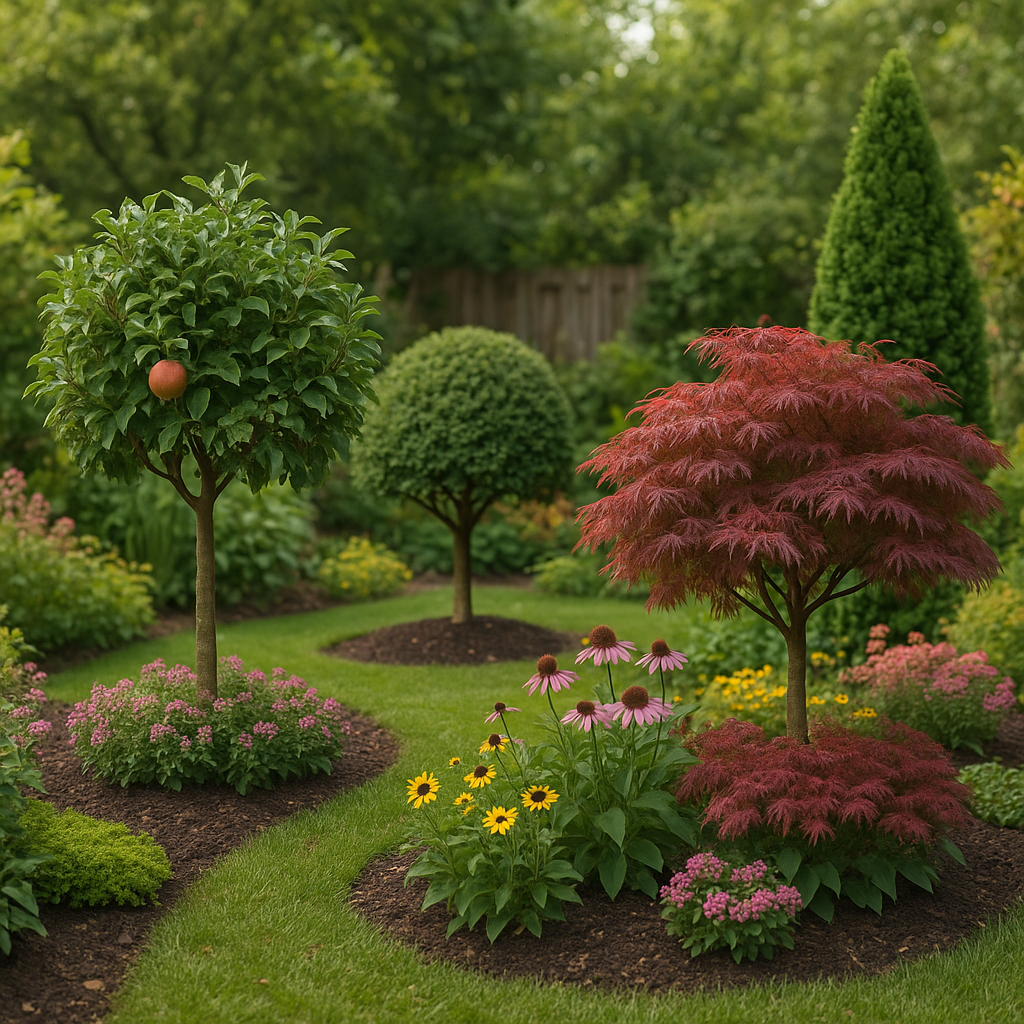
Gardening is not merely a hobby; it’s an art form that cultivates beauty, tranquility, and biodiversity in our lives. While ample land is a luxury for some gardeners, many urban and suburban enthusiasts are learning to embrace the charm and utility of dwarf trees in small gardens, particularly in USDA Hardiness Zone 5. Dwarf trees not only maximize the use of limited space but also add unique interest, structure, and seasonal character to any garden landscape.
Understanding Dwarf Trees
Dwarf trees are smaller versions of standard trees, often bred specifically to maintain a compact size while still delivering the beauty and benefits of regular trees. These trees typically reach a height of 4 to 10 feet at maturity, making them ideal for smaller spaces. They can serve various purposes in the garden, including ornamental value, shade, privacy, and even fruit production.
Why Choose Dwarf Trees?
-
Space Optimization: Dwarf trees can fit in tight spots where standard trees simply can’t. This makes them perfect for small gardens, courtyards, or even pots on a patio.
-
Ease of Care: Smaller trees often require less maintenance, making them an excellent choice for novice gardeners or those with limited time.
-
Increased Biodiversity: By incorporating a variety of dwarf trees, you can attract different species of birds, insects, and other wildlife to your garden.
-
Seasonal Interest: Dwarf trees can provide exceptional foliage, flowers, and even fruits, ensuring your garden is a vibrant tapestry throughout the seasons.
Common Dwarf Trees for Zone 5
Here are several exceptional dwarf trees suitable for gardens in Zone 5:
-
Dwarf Japanese Maple (Acer palmatum): Known for its stunning leaf shapes and colors, this tree is perfect for adding a focal point to your garden. Varieties like ‘Shirazz’ display beautiful red foliage.
-
Dwarf Pygmy Conifer (Pinus strobus ‘Pygmy’): Small and rugged, this pine variety provides year-round greenery. It’s tough and low-maintenance, making it a favorite for many gardeners.
-
Dwarf Apple Trees (Malus domestica): These trees are ideal for fruit enthusiasts with limited space. You can grow varieties like ‘Honeycrisp’ or ‘Dwarf Gala’ to enjoy delicious apples right from your garden.
-
Weeping Cherry (Prunus subhirtella ‘Pendula’): A visually stunning tree with cascading branches, the weeping cherry flourishes in early spring with beautiful pink flowers, making it an excellent choice for spring interest.
-
Dwarf Redbud (Cercis canadensis ‘Covey’): With heart-shaped leaves and vibrant pink flowers in early spring, this tree is a standout in any garden landscape.
Questions and Answers
1. What Size is Considered a Dwarf Tree?
Dwarf trees are generally classified as trees that do not exceed 10 feet in height. However, most often, they range from 4 to 8 feet, making them easy to manage and a perfect fit for smaller gardens.
2. How Do Dwarf Trees Adapt to Zone 5?
Zone 5 experiences cold winters with temperatures ranging from -10°F to -20°F and warm summers. Dwarf tree varieties for this zone have been bred or selected to endure significant temperature fluctuations and varying moisture levels, ensuring they thrive in this climate. They often exhibit hardiness against diseases and pests prevalent in colder regions.
3. Can I Grow Dwarf Trees in Containers?
Absolutely! Dwarf trees are excellent candidates for container gardening. Just ensure your pot is large enough to accommodate the root system, provide proper drainage, and use quality potting soil. Container gardening allows for mobility, providing options to shift the trees to different locations based on season or need for sunlight.
4. What Soil Is Best for Dwarf Trees?
Dwarf trees prefer well-drained soil that retains enough moisture without becoming soggy. A mix of sand, peat, and compost provides excellent drainage while supplying nutrients. Always consider testing your soil to determine pH and nutrient content, adjusting accordingly.
5. How Do I Prune Dwarf Trees?
Pruning is crucial to ensure the health and aesthetic of your dwarf trees. Here are some basic steps:
- Timing: Late winter or early spring before new growth begins is ideal for most species.
- Tools: Use sharp, clean pruning shears to avoid damaging the tree.
- Technique: Remove dead, damaged, or crossing branches first. Then, form the tree shape by selectively trimming to maintain balance.
6. What Fertilizer Should I Use?
A balanced, slow-release fertilizer in early spring will typically suffice. Aim for fertilizers with an N-P-K ratio appropriate for the specific needs of the species. Organic options like compost or well-rotted manure are equally effective.
7. What Are the Common Pests and Diseases of Dwarf Trees?
While dwarf trees are generally resilient, they can be subject to issues like aphids, spider mites, or scale insects. Fungal diseases such as powdery mildew or root rot may also occur if trees are overwatered or crowded. Regular monitoring and organic treatment options can mitigate most issues effectively.
8. Are Dwarf Trees Suitable for Pollinators?
Yes! Many dwarf trees produce flowers that attract bees, butterflies, and other pollinators. For example, the dwarf cherry and apple trees are potential food sources for these essential garden companions. Encourage biodiversity by planting a variety of flowering plants alongside your dwarf trees.
9. What Is the Lifespan of Dwarf Trees?
Lifespan varies by species, but many dwarf trees can live for several decades. Good care, including appropriate watering, pruning, and pest management, can significantly extend their life and enhance vitality.
10. How Do Dwarf Trees Contribute to Small Gardens’ Aesthetics?
Dwarf trees can serve as focal points, adding contrast and texture to larger planting schemes. They can create canopies over seating areas, draw attention to garden features, and provide stunning seasonal changes—from spring blooms to autumn colors.
Designing Your Small Garden with Dwarf Trees
When planning your small garden, consider the following design principles:
1. Creating Layers
Use dwarf trees to establish vertical layering in your garden. Place taller dwarf trees in the back or center (depending on space) while using shorter shrubs and flowers in the foreground. This layered approach will draw the eye and create visual depth.
2. Complementing Other Plants
Combine dwarf trees with perennials, annuals, and ornamental grasses to create a diverse and vibrant landscape. Choose plants with varying bloom times and textures to ensure your garden offers year-round interest.
3. Seasonal Focus
Dwarf trees can create seasonal highlights in your garden. Plant flowering varieties like the dwarf redbud or ornamental cherry for stunning spring blooms, while evergreens will provide structure during winter months.
4. Using Color Theory
Be mindful of color when selecting your dwarf trees and accompanying plants. For example, a deep burgundy Japanese maple may be beautifully offset by bright yellow coreopsis in a mixed border. Use complementary and contrasting colors to enhance the overall effect of your garden.
5. Focal Points and Pathways
Position your dwarf trees near pathways or seating areas to create focal points. Trees can lead the eye through the garden and encourage exploration, inviting visitors to experience different sections of your space.
Conclusion
Dwarf trees are a transformative addition to small gardens in Zone 5. Whether you seek ornamental beauty or functional benefits, these little wonders can elevate your gardening experience. By embracing their charm, structural contributions, and seasonal interest, you’ll discover that even the most limited spaces can become thriving landscapes of beauty and biodiversity.
As you dive into your gardening journey, educate yourself about the various dwarf tree species, their specific needs, and how they can best serve your garden vision. By thoughtfully incorporating these miniature marvels, you can create an oasis of beauty, connection, and ecological well-being in the heart of your home. Happy gardening!