
Introduction
California, with its diverse climate and stunning landscapes, is known for its beautiful gardens and rich flora. However, the state faces significant challenges when it comes to water availability. Periodic droughts have become increasingly common, highlighting the need for sustainable gardening practices. Enter drought-tolerant plants: resilient, beautiful, and essential for a sustainable landscape. This article dives deep into the myriad benefits of drought-tolerant plants, including types, care, design ideas, and answers to some frequently asked questions that homeowners and gardeners may have.
Why Choose Drought-Tolerant Plants?
1. Environmental Benefits
-
Water Conservation: Drought-tolerant plants require significantly less water than traditional garden plants. By incorporating these plants, gardeners can reduce water usage, which is crucial in a state where water scarcity is an ongoing issue.
-
Soil Health: Many drought-tolerant plants have deep root systems that improve soil aeration, increase organic matter, and contribute to healthier soil over time.
-
Biodiversity: These plants attract various pollinators such as bees, butterflies, and birds, promoting a healthy ecosystem.
2. Economic Benefits
-
Lower Water Bills: By using drought-resistant landscaping, homeowners can significantly lower their water bills, especially during California’s dry seasons.
-
Reduced Maintenance Costs: Drought-tolerant plants typically require less maintenance, meaning less time and money spent on fertilizers, pesticides, and constant watering.
3. Aesthetic Appeal
-
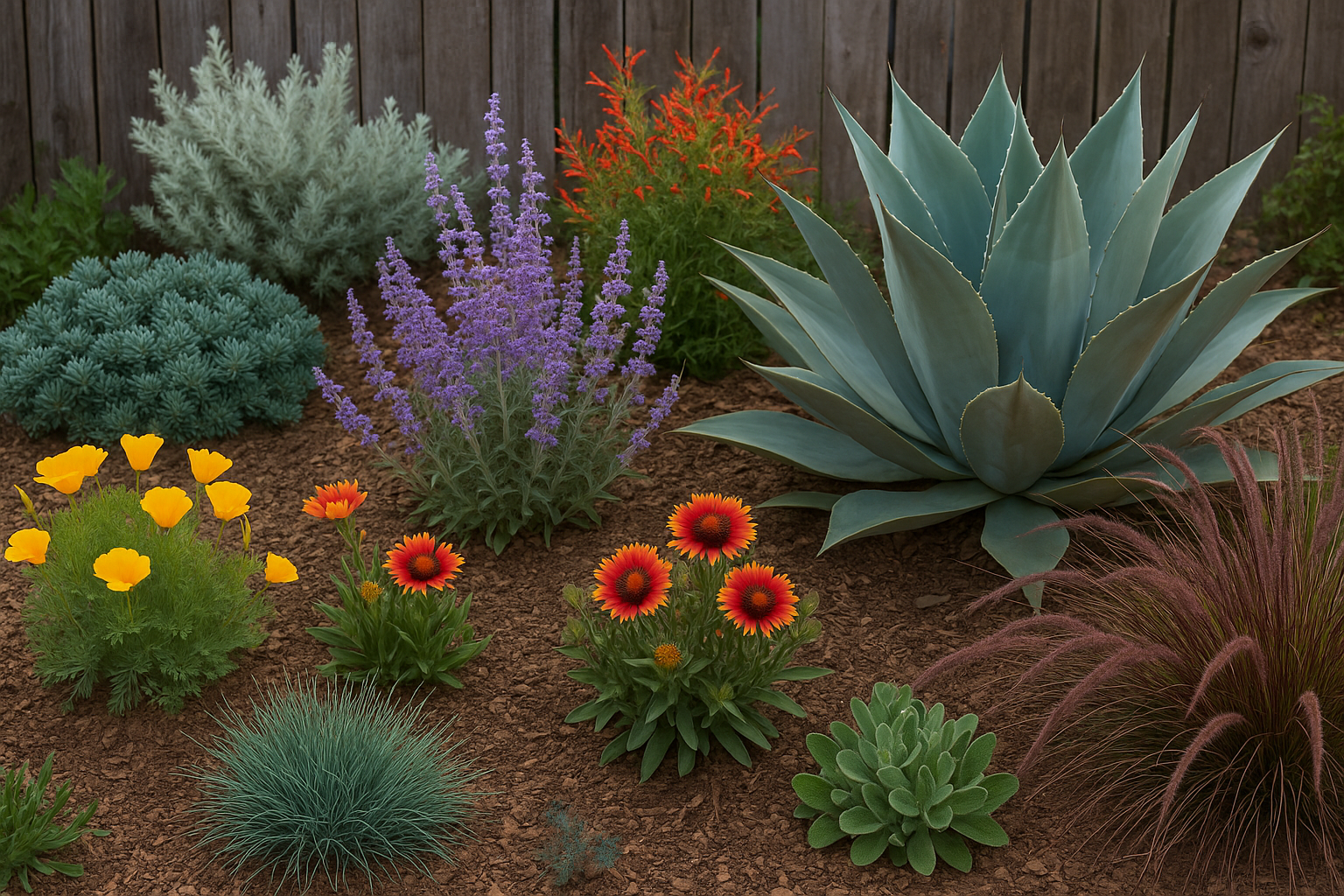
Diversity of Choices: Drought-tolerant plants come in a variety of shapes, sizes, and colors. From succulent groundcovers to flowering perennials, there’s something for every design sensibility.
-
Unique Landscaping Opportunities: With the right design, drought-tolerant landscaping can be just as beautiful and intricate as any traditional garden.
Understanding Drought-Tolerant Plants
What Are Drought-Tolerant Plants?
Drought-tolerant plants are species that can thrive in arid or semi-arid environments with minimal water. These plants have developed specific adaptations that enable them to survive periods of drought, including thick leaves, deep root systems, and the ability to store water.
Common Characteristics of Drought-Tolerant Plants
-
Deep Root Systems: Many drought-tolerant plants have wide and deep roots that can access water far below the surface.
-
Water Storage: Plants like succulents store water in their leaves, stems, or roots, allowing them to survive long dry spells.
-
Reduced Leaf Surface Area: Smaller or waxy leaves minimize water loss through evaporation.
-
Drought Adaptation Strategies: Some plants can go into dormancy during dry periods, effectively halting growth until water is available.
Types of Drought-Tolerant Plants
California boasts various drought-tolerant plants across different categories. Here’s a detailed look at these plants, divided into four primary types:
1. Succulents
Succulents store water in their leaves and stems, making them perfect for arid conditions. Some popular succulent options include:
- Agave: Known for its spiky leaves and architectural form, agave is a stunning addition to any garden.
- Aloe Vera: Not only is this plant drought-resistant, but it also has medicinal properties.
- Sedum: These low-growing succulents are perfect for ground cover and come in various colors and shapes.
2. Ground Covers
Drought-tolerant ground covers can provide vibrant color while suppressing weeds and reducing erosion:
- Creeping Thyme: This aromatic herb produces tiny purple flowers and forms a dense mat.
- Manzanita: Not only drought-tolerant but also visually striking with its reddish bark and evergreen leaves.
- California Poppy: The state flower, known for its bright orange face, creates spectacular carpets during blooming seasons.
3. Perennials and Shrubs
Perennial and shrub options provide height and structure to a garden while remaining water-wise:
- Lavender: A fragrant herb that attracts pollinators and thrives on minimal water.
- Salvia (Sage): A diverse plant with many varieties, known for its resilience and medicinal uses.
- California Lilac (Ceanothus): This shrub boasts vibrant blue flowers and is a magnet for bees.
4. Trees
Incorporating drought-tolerant trees can offer shade and beauty without the extensive watering needs of traditional trees:
- Oak: Native species like the Coast Live Oak are well-suited for the Californian climate and support local wildlife.
- Desert Willow: A beautiful small tree that blossoms with fragrant pink flowers throughout the summer.
- California Sycamore: Known for its distinctive peeling bark, this tree thrives in California’s climate.
How to Design with Drought-Tolerant Plants
Planning Your Landscape
-
Understand Your Space: Assess your garden’s sunlight, wind, and geographical conditions. Different plants thrive in varying climates and soil conditions.
-
Group Plants by Water Needs: While you’re choosing drought-tolerant plants, group them according to their water requirements so you can manage watering efficiently when necessary (like for newly planted specimens).
-
Incorporate Hardscapes: Use stones, gravel, or pathways to help retain moisture and delineate areas in your garden.
-
Create Layers: Use tall shrubs and trees at the back, mid-sized plants in the middle, and low-growing plants at the front to create visual interest.
Maintenance of Drought-Tolerant Gardens
While drought-tolerant plants may require less water than traditional plants, they still need some care. Here are some tips:
-
Mulching: A layer of mulch helps retain soil moisture, reduces weeds, and adds organic matter as it breaks down.
-
Occasional Deep Watering: Newly planted drought-tolerant plants may need regular watering until established. After that, deep but infrequent watering encourages deep root growth.
-
Pruning: Regular pruning helps remove dead or diseased branches and encourages new growth.
-
Monitoring: Keep an eye on your plants for signs of drought stress, such as wilting or yellowing leaves, and adjust watering accordingly.
FAQ About Drought-Tolerant Plants in California
1. Are drought-tolerant plants really low maintenance?
Yes, they generally require less water, fertilizer, and pest management than traditional plants. However, they are not completely maintenance-free. Regular monitoring, occasional watering during extreme drought periods, and periodic pruning are still essential.
2. Can I grow fruits and vegetables using drought-tolerant principles?
Absolutely! Many vegetables can thrive on less water, especially once established. Consider growing varieties like tomatoes, peppers, and artichokes, which show improved resistance to drought conditions. Apply techniques like drip irrigation to minimize water loss.
3. How do I know if a plant is drought-tolerant?
Check the plant’s tags or descriptions when purchasing. Many retailers label plants as drought-tolerant, often highlighting their water needs. Additionally, resources like local nurseries or the California Native Plant Society can provide excellent guidance.
4. Are all native Californian plants drought-tolerant?
While many native plants are adapted to drought conditions, not all are. Some areas in California may have plants that thrive with more moisture or in different soil types. Always check the specific needs of each species before planting.
5. How do I transition my existing garden to drought-tolerant plants?
Start by gradually replacing water-hungry plants with drought-tolerant options and applying principles like xeriscaping (landscaping that reduces or eliminates the need for irrigation). It may also be beneficial to amend your soil to improve its water-retaining properties.
6. Where can I find drought-tolerant plants in California?
Local nurseries specializing in natives, home improvement stores, and online retailers are excellent places to begin your search. California’s native plant societies often host plant sales and can offer expert advice.
7. Can drought-tolerant plants still look good in a garden?
Definitely! Drought-tolerant gardens can be exceptionally beautiful and vibrant when designed thoughtfully, using various colors, textures, and heights to create an inviting and aesthetically pleasing landscape.
Conclusion
Drought-tolerant plants represent a forward-thinking solution to the water scarcity challenges faced by California. By embracing these hardy species, you can create stunning landscapes that conserve resources and promote biodiversity. Whether you’re a seasoned gardener or a novice, incorporating drought-tolerant plants into your garden can lead to a thriving, resilient ecosystem. With careful planning, commitment to sustainable practices, and an eye for design, California can transform into a tapestry of beauty even amidst the challenges posed by drought. Join the movement towards sustainability, creativity, and environmental stewardship—all while enjoying the aesthetic rewards that drought-tolerant gardening has to offer.