
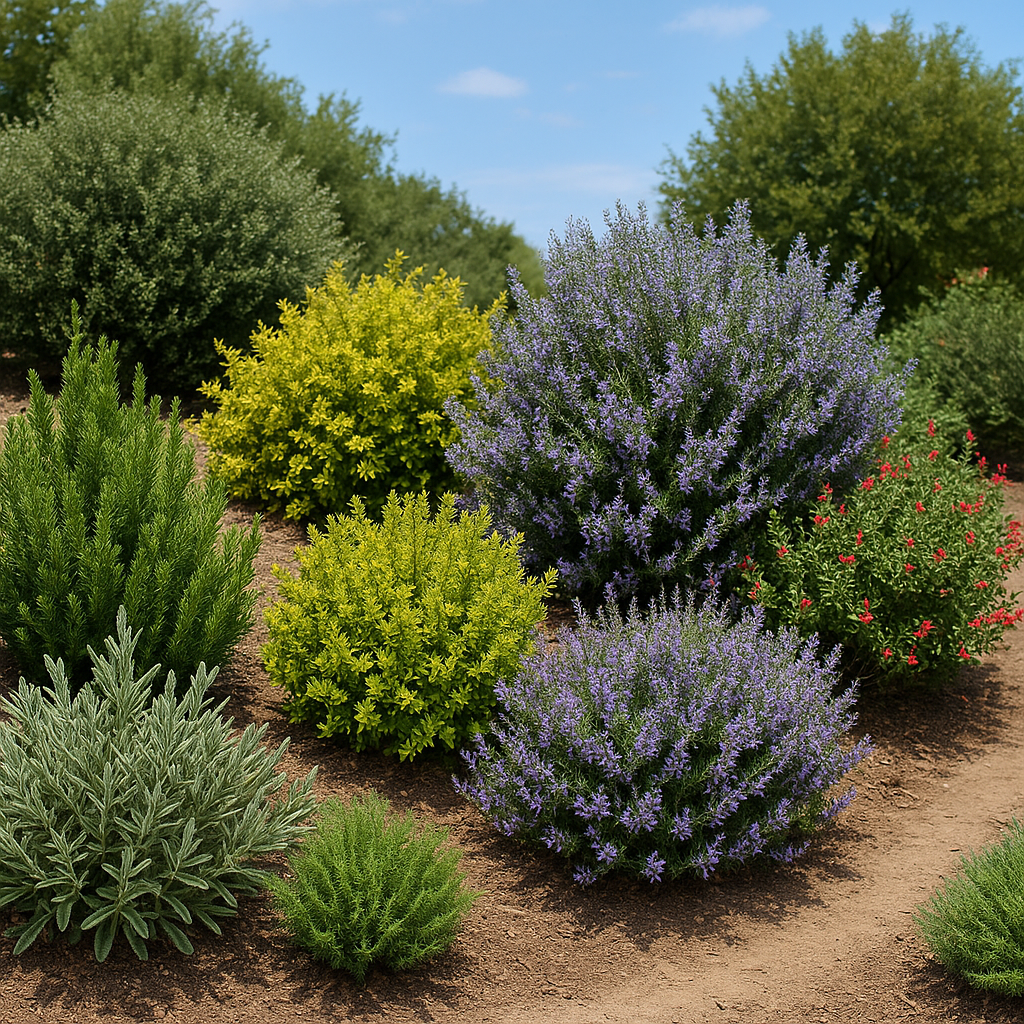
In recent years, the pressing concern of climate change has pushed discussions about sustainable gardening practices to the forefront. As global temperatures rise and water scarcity becomes increasingly problematic, the importance of cultivating gardens that are resilient to drought conditions has never been more critical. Drought-tolerant shrubs are not just a stylish addition to landscapes; they play a pivotal role in conserving water, supporting wildlife, and creating biodiverse ecosystems. In this article, we will explore the world of drought-tolerant shrubs in depth, answering a myriad of questions homeowners may have while detailing their many benefits.
What Are Drought-Tolerant Shrubs?
Drought-tolerant shrubs are plants that have adapted to survive in low-water conditions. They have developed various physiological and morphological adaptations to help them withstand periods of low rainfall. This can include deep or extensive root systems that access moisture deep underground, waxy and small leaves that reduce water loss through transpiration, and the ability to store water in their stems or leaves.
Characteristics of Drought-Tolerant Shrubs
- Adaptation to Harsh Conditions: Many drought-tolerant shrubs have evolved in arid or semi-arid climates, allowing them to thrive under tough conditions.
- Water Storage: Some shrubs have specialized storage tissues that enable them to retain water.
- Minimal Leaf Area: Smaller leaves or leaf modifications (like spines) help reduce water loss.
- Deep Root Systems: A well-developed root system ensures that these plants can tap into moisture resources that are unavailable to shallow-rooted plants.
Why Choose Drought-Tolerant Shrubs?
1. Water Conservation
With water shortages looming globally, drought-tolerant shrubs are essential for sustainable landscaping. They require minimal watering once established, significantly reducing your garden’s overall water consumption.
2. Reduced Maintenance
These shrubs typically require less maintenance than their non-drought-resistant counterparts. They don’t need frequent watering, minimal fertilization, and are generally more pest-resistant, reducing the need for chemical interventions.
3. Biodiversity and Wildlife Support
Drought-tolerant shrubs provide crucial habitats for a variety of wildlife. They attract pollinators like bees and butterflies, serve as nesting sites for birds, and provide food sources for many species.
4. Soil Health Improvement
Many drought-resistant plants have deep roots that aerate the soil and improve its structure. Furthermore, they contribute organic matter through leaf litter, which enriches the soil over time.
5. Aesthetic Appeal
Drought-tolerant shrubs come in various colors, shapes, and sizes that can elevate the visual appeal of your garden. From vibrant flowering species to lush green foliage, there’s a shrub for every aesthetic preference.
Popular Drought-Tolerant Shrubs
1. Lavender (Lavandula sp.)
Lavender is not just beautiful; it’s highly aromatic and attracts beneficial pollinators. Its silvery-green foliage complements the deep purple flowers, making it a popular choice for ornamental gardens.
Water Requirement: Once established, lavender only needs watering every two weeks during dry spells.
2. Manzanita (Arctostaphylos spp.)
This evergreen shrub is known for its distinctive reddish bark and beautiful flowers. Manzanita is not only drought-tolerant but also provides habitat for various bird species.
Water Requirement: It thrives in well-drained soils, requiring minimal additional watering.
3. Cotoneaster (Cotoneaster spp.)
Cotoneaster shrubs are adaptable and come in numerous varieties, from ground covers to tall shrubs. Their berries attract birds, making them a beneficial addition to wildlife gardens.
Water Requirement: They require little supplemental irrigation once established.
4. Texas Sage (Leucophyllum frutescens)
This shrub is a standout in hot, arid climates. With silvery leaves and purple blooms, it contrasts beautifully in gardens and is incredibly resilient to drought.
Water Requirement: Texas sage flourishes with minimal watering, particularly during dry summer months.
5. Golden Samphire (Salicornia europaea)
Native to salty coastal regions, golden samphire thrives in difficult soil types. It can add texture and visual intrigue to both formal and informal gardens.
Water Requirement: Very low maintenance with sufficient drainage.
How to Choose the Right Drought-Tolerant Shrubs for Your Garden
Making the right choice involves several factors:
1. Climate Suitability
Different shrubs thrive in various climates. Understanding your local climate, including temperature extremes and rainfall, is crucial. Consult local plant nurseries or extension offices for recommendations tailored to your area.
2. Soil Type
The type and quality of soil can greatly affect shrub success. Drought-tolerant shrubs often prefer well-drained soils, but some can tolerate poor soil conditions. Testing your soil will provide insights that guide your plant selection.
3. Sunlight Requirements
Most drought-tolerant shrubs prefer full sun to partial shade. Evaluate the sun exposure in your garden throughout the day to ensure your plants receive an appropriate amount of sunlight.
4. Aesthetic Preferences
Choose shrubs that enhance the overall design and feel of your garden. Consider colors, heights, and textures to create a visually appealing landscape.
5. Wildlife Considerations
If you wish to attract specific wildlife (like pollinators or birds), select shrubs known to provide food or habitats for those species.
How to Plant and Care for Drought-Tolerant Shrubs
Step 1: Selecting the Right Location
Choose a sunny location with space for your selected shrubs to grow without becoming crowded. Ensure proper drainage by avoiding low-lying areas prone to standing water.
Step 2: Soil Preparation
Prepare the soil by removing weeds and grass in the planting area. Loosen the soil and mix in compost to improve aeration and nutrient availability.
Step 3: Planting Techniques
- Digging the Hole: The hole should be two times as wide and as deep as the root ball.
- Placement: Place the shrub in the center of the hole, ensuring the top of the root ball is level with the soil surface.
- Backfilling: Fill in around the root ball with soil and water thoroughly to eliminate air pockets.
Step 4: Initial Watering
Water the plants immediately after planting, keeping the soil consistently moist for the first few weeks. Gradually reduce watering as the plants establish themselves.
Step 5: Mulching
Apply a layer of mulch around the base of the shrubs. Mulch helps retain soil moisture, prevents weed growth, and regulates soil temperature.
Step 6: Regular Monitoring
Keep an eye on your shrubs for any signs of stress, pests, or disease. Ensure they receive adequate sunlight and check for drainage issues.
Frequently Asked Questions about Drought-Tolerant Shrubs
Q1: How long do drought-tolerant shrubs take to establish?
Typically, most drought-tolerant shrubs take about 1-3 years to become well-established. During this period, they will need more regular watering to promote deep root development.
Q2: Can drought-tolerant shrubs survive extreme drought conditions?
Yes, while drought-tolerant shrubs are designed to withstand periods of low water, extreme drought may still affect their health. It’s crucial to monitor soil conditions and employ water conservation techniques during prolonged dry spells.
Q3: What can I plant with drought-tolerant shrubs?
You can successfully pair these shrubs with other drought-tolerant plants such as perennials, grasses, and even succulents. Creating a mixed planting bed ensures a robust ecosystem that shares resources effectively.
Q4: Are there any pests or diseases I should be aware of?
While drought-tolerant shrubs are often more resilient to pests, they are not entirely immune. Stay alert for common pests like aphids, spider mites, and diseases related to root rot. Regular monitoring will help catch any issues early.
Q5: Can drought-tolerant shrubs die from overwatering?
Yes, overwatering can lead to root rot or fungal diseases. It’s crucial to allow the top inch of soil to dry out before watering again once established.
Q6: What are some companion plants for drought-tolerant shrubs?
Companion plants could include drought-tolerant annuals or perennials like Echinacea (Coneflower), Agastache (Giant Hyssop), or various ornamental grasses. These plants often thrive in similar conditions and create a visually stunning landscape.
Q7: Are drought-tolerant shrubs native?
Many drought-tolerant shrubs are native to specific regions, adding the benefit of supporting local wildlife and reflective of regional ecosystems. However, some non-native species also exhibit high drought tolerance.
Conclusion: Redefining Garden Sustainability with Drought-Tolerant Shrubs
Drought-tolerant shrubs represent a forward-thinking approach to landscaping that conserves water and reduces environmental impact without sacrificing beauty. As climate conditions continue to evolve, adapting our gardening habits will be essential. By incorporating these resilient and sustainable shrubs into our gardens, we not only create stunning outdoor spaces but also play a vital role in ecological preservation.
Whether you’re a seasoned gardener or a beginner, it’s time to embrace the world of drought-tolerant shrubs. Start planning your garden today, and enjoy the myriad benefits these remarkable plants offer—beauty, resilience, and sustainability for years to come.