
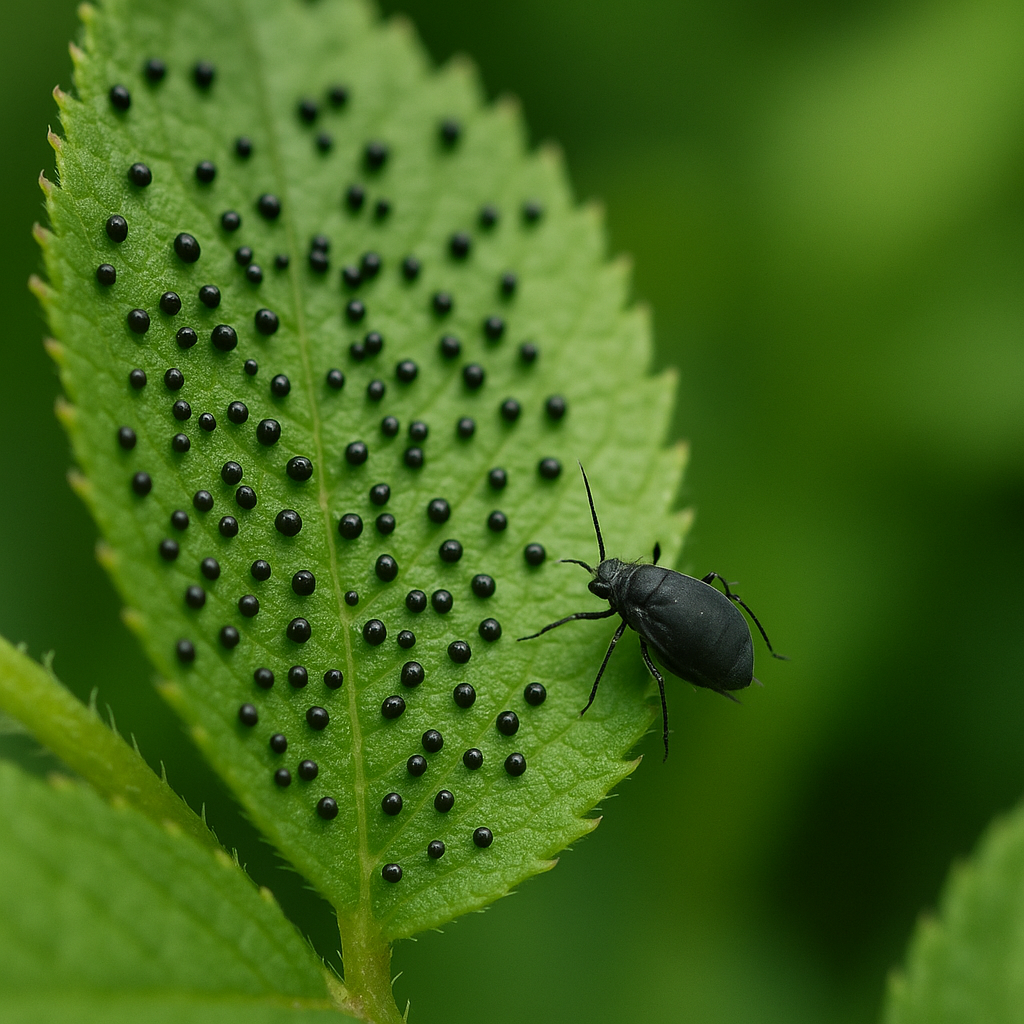
In the realm of gardening and plant care, the appearance of tiny black droppings on beloved plant leaves can invoke feelings of confusion and concern. As avid plant enthusiasts and gardeners scour their foliage for potential insect infestations, they may inadvertently encounter these distinct droppings—often a sign of a larger issue lurking within their botanical paradise.
In this comprehensive article, we will delve into the insects that leave behind these tiny black droppings, their implications for plant health, and how to deal with them effectively. We will ensure this exploration is not just about identification but also about fostering a deeper understanding of the ecosystem that thrives within our gardens. So, let’s embark on this journey into the miniature world of beneficial and detrimental insects, their habits, and their relationships with the plants they inhabit!
The Mystery of the Tiny Black Droppings: What Are They?
1. What Are These Tiny Black Droppings?
The tiny black droppings you often find on the underside of leaves or scattered on the soil around your plants are known as frass. Frass is a term used to describe the fecal pellets produced by insects, particularly those that feed on plant matter. Its size, shape, and color can vary depending on the type of insect responsible for it.
Identification of Frass
Frass is usually small, dark, and can appear in various forms, such as specks or tiny cylindrical pellets. In most instances, the presence of frass signifies one of the following:
- Sucking Insects: Such as aphids or whiteflies, which feed on plant sap.
- Larvae or Caterpillars: Certain larvae of leaf-eating moths or beetles often produce more substantial droppings as they consume the foliage.
- Beetles: Various beetle species produce distinct forms of frass as they tunnel into plant tissues.
2. Which Insects Leave Tiny Black Droppings on Plants?
To better understand the relationship between insects and frass, let’s investigate some of the primary culprits associated with these droppings.
A. Aphids
Aphids are small, soft-bodied insects that tend to cluster on the undersides of leaves or new growth. They are infamous for their rapid reproduction rates and ability to decimate plants quickly.
- Frass Characteristics: Aphid frass is typically dark and resembles tiny black specks.
- Impact on Plants: These pests extract plant sap, leading to stunted growth, wilting, and leaf curling.
B. Whiteflies
Whiteflies are another group of sucking insects, often confused with moths due to their white wings. They mature quickly, making infestations potentially explosive.
- Frass Characteristics: Their droppings appear as tiny black specks similar to aphids.
- Impact on Plants: Like aphids, they cause leaf yellowing and can transmit plant viruses.
C. Caterpillars
Various species of caterpillars, the larvae of butterflies and moths, munch away on foliage, leaving behind frass.
- Frass Characteristics: Caterpillar droppings can be larger and more irregular, often resembling small pellets.
- Impact on Plants: They can cause significant damage to leaves, leading to unsightly holes and even plant death.
D. Beetles
Certain beetles, such as the Japanese beetle or the asparagus beetle, can also contribute to the presence of black frass.
- Frass Characteristics: Beetle droppings vary in size and shape according to the beetle species.
- Impact on Plants: These pests can defoliate plants and may also bring diseases to your garden.
3. How Do You Identify the Culprit Insect?
Identification is crucial to managing insect problems in your garden. Here are some steps to help you pinpoint the exact insect responsible for the frass:
- Close Examination: Look for the frass on healthy and damaged foliage. Check the undersides of leaves for visible insects.
- Visual Evidence: Identify the insect by shape, size, and color. Use a magnifying glass if necessary.
- Behavioral Signs: Observe the plant for symptoms, such as yellowing leaves, wilting, or stunting of growth, which can provide critical clues.
4. Are Tiny Black Droppings Harmful to Plants?
While the droppings themselves may not be directly harmful, they signal trouble. The insects that produce them can pose threats to your plants. Here’s how:
- Nutrient Drainage: Sucking insects like aphids and whiteflies rob plants of vital nutrients, resulting in weaker plants more susceptible to diseases.
- Fungal Development: The sugary residue left behind by aphids (honeydew) can attract fungal growths like sooty mold, which compromises photosynthesis.
- Structural Damage: Leaf-eating insects, such as caterpillars, can cause structural damage, leading to reduced plant vigor.
5. How Can You Manage and Control These Insects?
Knowing what insects are responsible for the tiny black droppings is half the battle; managing and controlling these pests is the other critical aspect. Here are some effective methods to keep the insect population in check:
A. Cultural Controls
- Healthy Soil: Nutrient-rich soil promotes strong plants that can better resist insect infestations.
- Diverse Planting: Planting multiple species together can confuse pests and deter infestations.
- Companion Planting: Certain plants naturally repel pests; for instance, marigolds deter nematodes and aphids.
B. Physical Controls
- Manual Removal: For minor infestations, handpicking larger pests off leaves may be effective.
- Water Spray: A strong stream of water can dislodge aphids and whiteflies.
- Row Covers: Using lightweight fabric covers can protect young plants from pest invasions.
C. Biological Controls
- Beneficial Insects: Introduce predators such as ladybugs and lacewings that naturally feed on aphids and other soft-bodied pests.
- Nematodes: Beneficial nematodes can help control caterpillar larvae and beetles, providing a bio-safe solution.
D. Chemical Controls
- Insecticidal Soaps: These soaps target soft-bodied insects without harming beneficial species.
- Neem Oil: Derived from the seeds of the neem tree, this natural pesticide disrupts the lifecycle of many sap-feeding insects.
6. Are There Benefits to Having Insects in Your Garden?
Despite their potential as pests, many insects play essential roles in maintaining a garden’s ecosystem. Here’s why some insects are beneficial:
- Pollination: Bees, butterflies, and other pollinators promote the reproduction of many flowering plants.
- Pest Control: Natural predators help keep pest populations in check, ensuring ecological balance.
- Soil Aeration: Earthworms and other burrowing insects aerate the soil, promoting better drainage and root growth.
7. How Can You Encourage a Balanced Ecosystem in Your Garden?
You can foster a balanced ecosystem by encouraging beneficial insects through various methods:
- Plant Diversity: Incorporate a variety of flowers and herbs that attract pollinators and beneficial predators.
- Provide Habitats: Leave some plant debris and establish areas of wildflowers to encourage beneficial insects to thrive.
- Limit Chemicals: Minimize synthetic pesticide and fertilizer use to protect beneficial insect populations.
8. What to Do if Your Plants Are Already Infested?
In the unfortunate event that you discover pests in your garden, follow these steps:
- Immediate Inspection: Examine all plants closely and assess the severity of the infestation.
- Isolate Affected Plants: If possible, isolate infested plants to prevent the spread of pests to healthy plants.
- Implement Controls: Choose an appropriate control measure based on the insect type and infestation severity.
9. FAQs About Tiny Black Droppings and Insects
Q1: How can I tell if the droppings are from beneficial insects?
A: By monitoring the insect activity on your plants. Beneficial insects often exhibit characteristics that demonstrate their role, such as a high appetite for pests they consume.
Q2: Why do some plants seem to be more affected by insect droppings than others?
A: Plants have varying degrees of susceptibility due to stage, species, and overall health. Weak or stressed plants are often more prone to infestations.
Q3: Can frass attract other unwanted pests?
A: Yes, the sugary residue from certain insects can indeed attract other pests, such as ants, which feed on honeydew left by aphids.
Q4: What are the symptoms of a severe pest infestation?
A: Symptoms may include wilting, yellowing leaves, stunted growth, visible insects, and abundant frass on leaves and nearby soil.
Q5: Can I use homemade remedies to combat pests?
A: Many gardeners find success with homemade remedies, like garlic spray or soap solutions, although effectiveness varies based on pest types.
Conclusion: Understanding the Ecosystem and Managing Insect Droppings
Insects, while they can be the source of concern for gardeners due to their droppings, are integral players in the broader garden ecosystem. Understanding the intricacies of their behavior, the types of frass produced, and effective management strategies empowers gardeners to maintain healthy plants while fostering a balanced environment.
By employing cultural, physical, biological, and chemical controls, gardeners can mitigate the adverse effects of pest infestations while promoting the health of their gardens. As stewards of the earth, embracing both the challenges and rewards of coexisting with insects allows us to contribute to a sustainable future—one garden at a time.
Whether you are new to gardening or a seasoned plant parent, knowledge is your most potent tool. Embrace the tiny black droppings as a reminder to explore the fascinating world of insects, their roles, and the profound connections between all living things in our irreplaceable ecosystems. Happy gardening!