
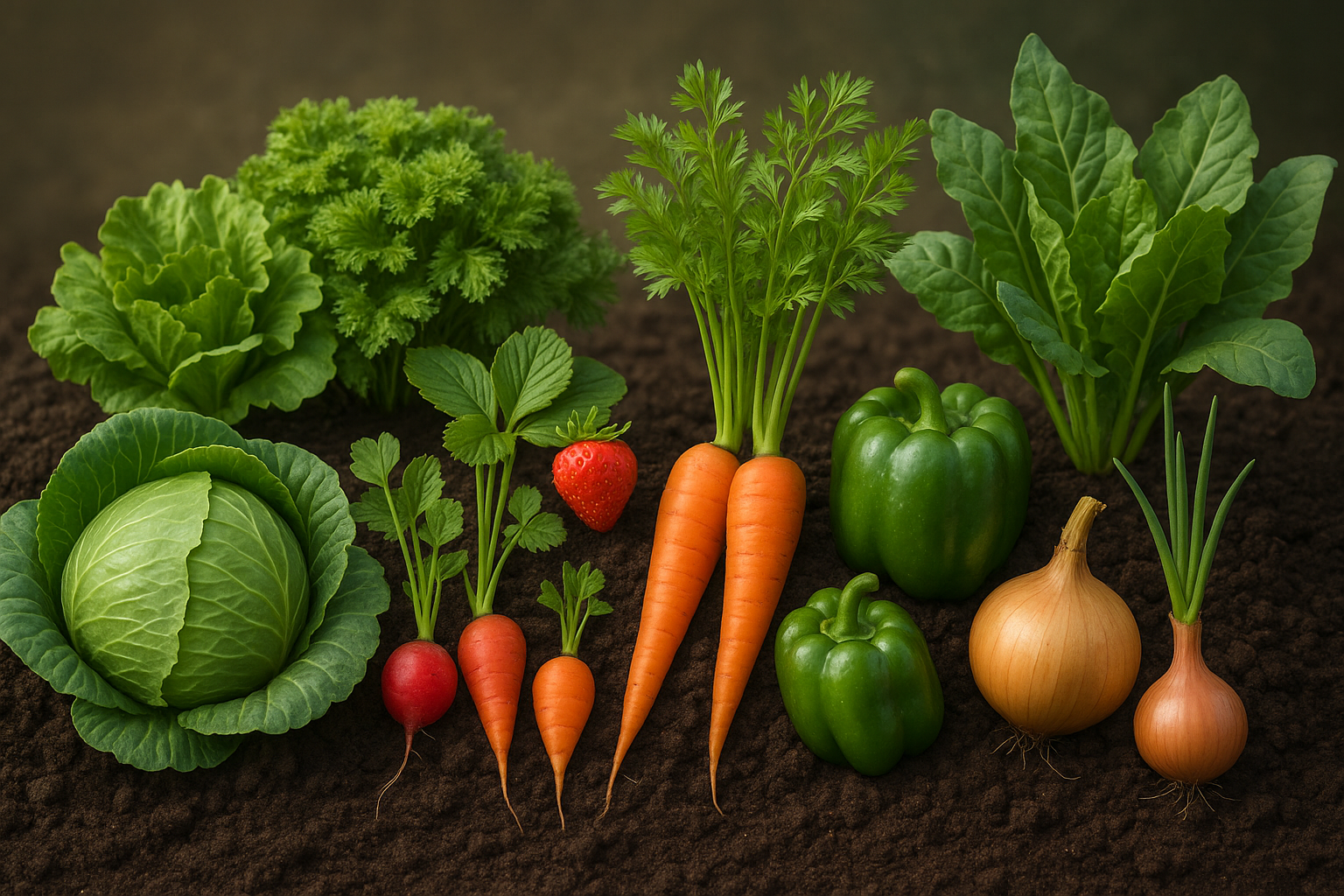
Acidic soil, characterized by its pH level below 7.0, is not necessarily a gardener’s nightmare. In fact, many plants thrive in these conditions, making it possible to grow a fertile garden equipped for success, even in less-than-ideal ground conditions. For growers inhabiting regions with naturally low-pH soils, understanding how to cultivate a garden rich in nutrients while complementing the acidity can transform gardening routines.
Whether you are an experienced horticulturist or a novice gardener, this guide will delve into the best crops for acidic soil, address common inquiries, and provide insights into successfully nurturing your garden.
Understanding Soil pH and Its Importance
What is soil pH, and why is it important?
Soil pH measures the concentration of hydrogen ions in the soil and varies on a scale from 0 to 14, with 7 being neutral. Below 7 indicates acidity while above 7 shows alkalinity. Soil pH influences nutrient availability, microbial activity, and overall plant health.
In acidic soils, key nutrients such as iron and manganese become more available, while others, like calcium and magnesium, become less accessible. Understanding these dynamics enables gardeners to select the right crops that naturally thrive in acidic environments.
Ideal Conditions and Amendments for Acidic Soil
How can I improve my acidic soil for gardening?
-
Organic Matter Addition: Incorporating organic matter such as compost can enhance soil structure, providing nutrients beneficial for plant growth. Compost can raise soil pH slightly but usually remains suitable for acidic-loving plants.
-
Mulching: Utilizing bark, pine needles, or leaves as mulch can help retain moisture and improve soil texture while maintaining its acidity.
-
Testing Soil: Regular soil testing can give insights into nutrient levels and pH. Soil test kits are widely available, and local extension services often provide testing for a fee.
-
Cover Crops: Planting cover crops like clover or vetch can naturally improve soil nutrients and protect against erosion.
-
Adjusting Soil pH: If you want to grow crops that prefer neutral pH, you can gently amend the soil with lime, but it’s crucial not to alter pH too drastically.
Best Garden Crops for Acidic Soil
1. Berries
What types of berries thrive in acidic soil?
Berries are among the best crops for acidic soils. Here are some varieties you may consider:
-
Blueberries
- Why they’re great: Blueberries not only flourish in acidic conditions with a pH of 4.5 to 5.5 but also require an abundance of organic matter. They produce sweet and tangy fruit perfect for eating fresh or in various recipes.
-
Raspberries
- Ideal conditions: Raspberries prefer slightly acidic soils (pH 5.5 to 6.5) and benefit from rich, well-drained soil high in organic content.
-
Blackberries
- Growing tips: These robust plants can tolerate pH levels as low as 5.0 and are known for their drought resistance, making them suitable for various regions.
2. Root Vegetables
Which root vegetables grow well in acidic conditions?
Root vegetables can adapt well to acidic soils, especially when they have adequate drainage and organic matter.
-
Potatoes
- Acidity preference: Potatoes thrive in slightly acidic soil (pH 4.8 to 6.0). While planting, ensure they are spaced evenly for optimal growth.
-
Carrots
- Growing conditions: Carrots prefer a pH between 5.5 and 7 and thrive in loose, sandy soil that allows for proper root development.
-
Beets
- Best practices: Beets prefer a soil pH of around 6.0 and benefit from rich organic matter to promote sweet, nutritious roots.
3. Brassicas (Cabbage Family)
What are some brassicas that thrive in acidic soil?
Brassicas are known for their robustness and can adapt to a variety of soil conditions.
-
Cabbage
- Variability: Cabbage can thrive in soils with pH levels from 6.0 to 7.0, but it can handle slightly acidic levels if nutrient-rich.
-
Brussels Sprouts
- Taste test: These plants thrive in slightly acidic conditions (pH 6.0) and yield delicious, nutritious vegetables.
-
Kale
- Growing tips: Kale has a commendable ability to withstand various pH levels, making it a hardy candidate for acidic soils with sufficient nutrients.
4. Herbs
Which herbs prefer acidic soil?
Herb gardens benefit greatly from slightly acidic conditions, making them perfect companions for various crops.
-
Rosemary
- Tolerability: Although rosemary prefers a slightly alkaline pH, it tolerates nutrient-rich acidic soil well.
-
Thyme
- Essential qualities: Thyme can flourish in slightly acidic to neutral conditions (pH 6.0 to 7.0) and provides a flavorful addition to various dishes.
-
Mint
- Cultivation and care: Mint is known for its resilience and spreads easily, enjoying a pH level from 6.0 to 7.0, allowing it to thrive even in marginal acidic soils.
5. Legumes
Do legumes grow well in acidic soil?
Leguminous crops are essential for enriching soil nitrogen content and can adapt well to less-than-ideal conditions.
-
Peas
- Versatile growing: Peas can thrive in soils with a pH of 5.5 to 7 but prefer nutrient-rich environments for better yields.
-
Beans
- Soil flexibility: Various beans, including snap and pole beans, adapt to a broad pH range and fix nitrogen, improving soil quality.
6. Miscellaneous Fruits and Vegetables
What other crops can growers consider for acidic soils?
-
Tomatoes
- Potential adaptations: While tomatoes thrive at slightly acidic to neutral pH levels (6.0 to 7.0), they can tolerate lower pH but need nutrient-rich soil.
-
Sweet Corn
- Hardiness and growth needs: Sweet corn prefers pH levels ranging from 5.8 to 7.0, benefiting from the microfauna found in acidic soils.
-
Pumpkins
- Favorable conditions: Pumpkins thrive in slightly acidic soil, making them a surprising but fitting addition to an acidic garden.
Companion Planting Considerations
How can companion planting help in an acidic soil garden?
Companion planting is a horticultural technique that enhances the growth of plants by sowing them together based on their beneficial relationships.
- Best partners: Plants like marigolds, which repel pests, can help protect sensitive crops from diseases and insects.
- Improvement of nutrient uptake: Planting legumes alongside other crops can increase nitrogen levels, promoting healthier plants.
Frequently Asked Questions
1. How do I test my soil pH?
You can procure a home test kit or use pH test strips available at gardening centers. For more detailed analyses, consider submitting your soil to local cooperative extension services.
2. How can I lower the pH of my soil if it’s too alkaline?
Consider adding sulfur or organic amendments like pine needles and peat moss. Always make gradual changes and retest the soil pH frequently to avoid drastic fluctuations.
3. Can I grow flowers in acidic soil?
Yes! Certain flowers like azaleas, rhododendrons, and foxgloves thrive in acidic soils, enhancing your garden’s aesthetic appeal while complementing vegetables.
4. What should I avoid planting in acidic soil?
Plants like asparagus, cabbage, and broccoli are best suited to neutral to alkaline soils, as they may struggle in acidic conditions.
5. How crucial is proper drainage in acidic soils?
Proper drainage is essential in acidic soils since excess moisture can lead to detrimental conditions such as root rot and nutrient leaching.
Conclusion
Acidic soil does not need to hinder your gardening endeavors. Understanding the unique requirements and benefits of various plants can empower you to cultivate a thriving and productive garden, even in less favorable conditions. From berries and root vegetables to brassicas and legumes, many crops are well-suited for acidic environments.
By leveraging organic amendments, understanding soil dynamics, and employing good cultural practices, you can nurture a landscape that is not only beautiful but also bountiful. Embracing the opportunities within your soil is the first step toward creating a sustainable and productive garden that yields joy and nourishment for years to come.
Happy gardening!