
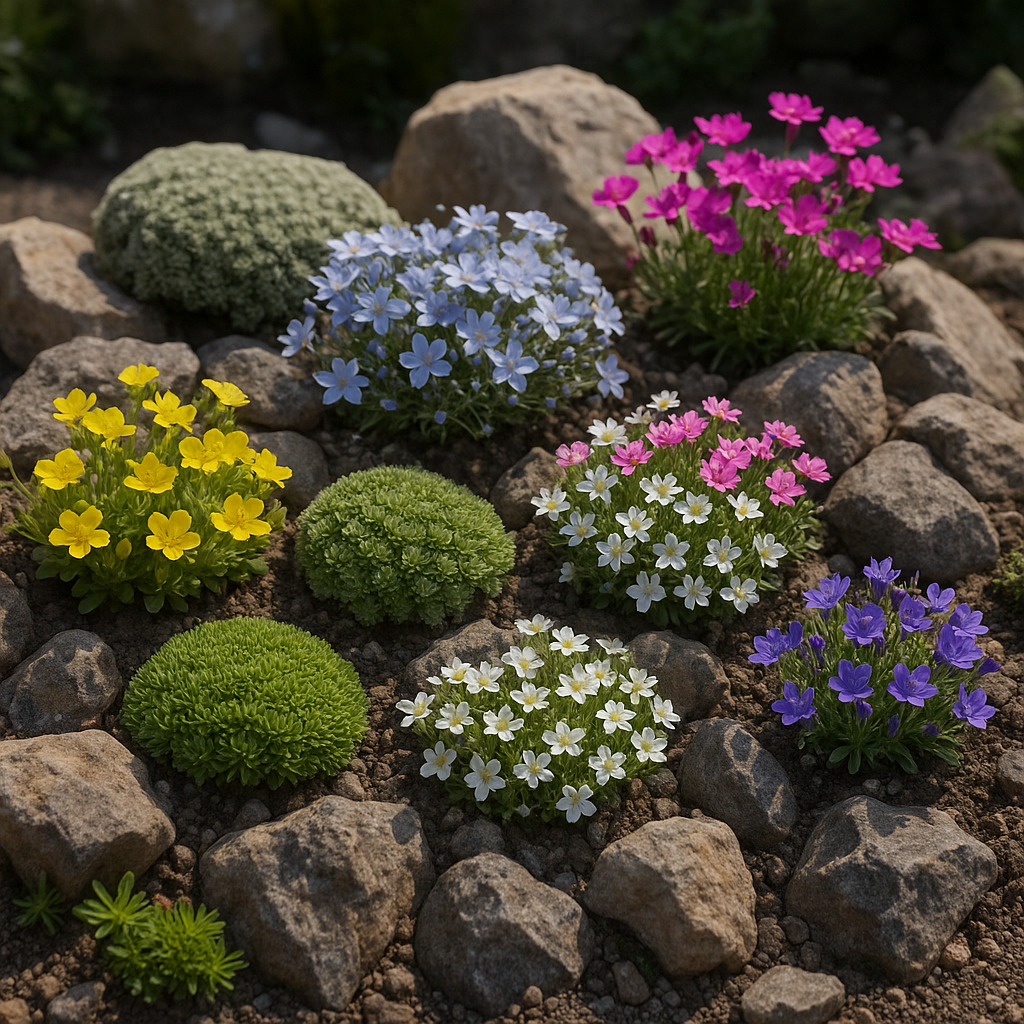
Alpine gardens are a special niche in the gardening world, celebrating the resilient beauty of plants adapted to high altitudes. These small alpine garden plants not only thrive in rocky, well-draining soils but also captivate with their stunning hues and unique growth forms. If you’re considering creating an alpine garden or are simply curious about these remarkable plants, this article provides a thorough exploration of small alpine garden plants, their benefits, and more.
What Are Alpine Plants?
Alpine plants are those that grow in mountainous regions, typically above the tree line. Conditions here are harsh: they face cold temperatures, high winds, limited nutrients, and intense sunlight. Despite these challenges, many plants have evolved to not just survive but thrive in such environments, exhibiting varying colors, forms, and hardiness.
Why Choose Alpine Plants for Your Garden?
-
Drought Resistance: Due to their adaptability to arid conditions, alpine plants generally require less water than traditional garden plants. Their capacity to thrive in fast-draining soil makes them perfect for rock gardens and containers.
-
Unique Aesthetic Appeal: With vibrant blossoms and unusual foliage, alpine plants add immense beauty to gardens. From the striking blue of the Gentiana to the delicate flowers of the Saxifraga, they offer a palette that can enhance any landscape.
-
Seasonal Interest: Many alpine plants bloom at different times throughout the seasons. This ensures that your garden maintains its allure and vibrancy throughout the year.
-
Low Maintenance: Once established, many alpine plants require minimal maintenance. This makes them ideal for gardeners who wish to enjoy a beautiful landscape without the constant labor typically associated with general gardening.
-
Ecosystem Benefits: Alpine gardens can serve as habitats for various insects and birds. These ecosystems support local wildlife and promote biodiversity, contributing positively to the environment.
Choosing the Right Location for Your Alpine Garden
Where Should You Plant Alpine Plants?
-
Sun Exposure: Most alpine plants thrive in full sun. A location that receives at least 6 hours of sunlight is ideal.
-
Soil Composition: Well-draining soil is crucial. If your native soil retains water, a raised bed filled with a mix of sand, gravel, and potting soil will suit alpine plants nicely.
-
Accessibility: Make sure your alpine garden is easily accessible for maintenance and enjoyment. You’ll want to admire your handiwork without excessive effort.
-
Rock Features: Incorporating stones and boulders not only mimics a natural alpine environment but also enhances drainage while giving plants a suitable anchor to root into.
Selecting Small Alpine Garden Plants
There are countless varieties of alpine plants to consider. Here we outline some noteworthy small alpine plants suitable for gardens, broken down by categories based on their characteristics.
Low-Growing Ground Covers
-
Thymus Serpyllum (Creeping Thyme)
- Description: This hardy ground cover boasts tiny pink or purple flowers in summer. It forms dense mats that can tolerate foot traffic and has fragrant foliage.
- Ideal conditions: Well-drained, rocky soil and full sun.
- Uses: Pathways and between stepping stones.
-
Armeria Maritima (Sea Thrift)
- Description: Characterized by rosy pink globes atop slender stems, this plant thrives in coastal environments and rocky outcrops.
- Ideal conditions: Drought-tolerant, thrives in sandy soils.
- Uses: Edge of borders or rock gardens.
Colorful Blooms
-
Gentiana
- Description: Known for its striking blue months flowers, these plants add a dramatic splash of color to yard.
- Ideal conditions: Prefers cool environments and well-drained, acidic soil.
- Uses: Focal points in gardens or planted among rocks.
-
Saxifraga (Rockfoil)
- Description: This genus features many species, often adorned with charming small flowers and interesting foliage.
- Ideal conditions: Requires well-drained soil and can be grown in partial shade.
- Uses: Perfect for crevices or rocky areas.
Textured Foliage
-
Edelweiss (Leontopodium alpinum)
- Description: Symbolic of high mountain ranges, this plant features fuzzy white flowers that have a star shape.
- Ideal conditions: Well-drained soil and full sunlight; prefers cooler climates.
- Uses: Great for rock gardens or as a display specimen.
-
Sedum (Stonecrop)
- Description: With its fleshy leaves and adaptability, Sedum comes in many varieties, some producing vibrant yellow, pink, or red flowers.
- Ideal conditions: Drought-tolerant and prefers poor, well-drained soil.
- Uses: Varieties can work well in rock gardens or in hanging arrangements.
Succulents
-
Sempervivum (Hens and Chicks)
- Description: These Rosette-shaped plants are low-maintenance and reproduce easily, creating attractive clusters.
- Ideal conditions: Adaptable to a variety of soils but prefer dry, sunny spots.
- Uses: Ground cover, rock gardens, or containers.
-
Delosperma (Ice Plant)
- Description: This succulent produces cheerful daisy-like flowers that bloom throughout summer.
- Ideal conditions: Prefers sandy, well-drained soil and full sun.
- Uses: Great as a ground cover or trailing plant.
Planning Your Alpine Garden
Step 1: Design Considerations
Creating an alpine garden involves more than just planting. Here are some ideas to consider:
- Layering: Consider layering plants by height. Taller plants like Gentiana can be positioned behind low-growing varieties like Thymus Serpyllum.
- Rock Placement: Integrating rocks that are native to your region can enhance authenticity. Think about how plants grow in their natural habitats.
- Pathways: A well-planned pathway can guide the viewer’s eye. Use flat stones or gravel to create easy access without disturbing the plants.
Step 2: Planting Techniques
When planting your alpine garden:
- Preparation: Dig the planting area and ensure the soil is well-draining.
- Spacing: Consider mature sizes and spacing needs to allow for growth and airflow.
- Watering: Water initially to help establish roots, but be cautious not to overwater.
Step 3: Maintenance
Once established, alpine gardens require minimal care. However, consider the following:
- Watering: Water sparingly; many alpine plants prefer drier conditions.
- Weeding: Keep weeds at bay to prevent competition for nutrients.
- Pruning: Deadheading spent flowers can promote further blooming.
Frequently Asked Questions (FAQs)
Q1: Can alpine plants survive winter?
Yes! Many alpine plants are hardy perennials adapted to cold climates. However, it’s important to check the hardiness zones for specific plants to ensure they are suitable for your location.
Q2: How do I care for my alpine garden in the summer heat?
Even though alpine plants are drought-resistant, they may still require supplemental watering during extreme heat. Focus on deep watering during dry spells, encouraging the roots to grow deeper into the soil.
Q3: Are alpine plants suitable for containers?
Absolutely! Many small alpine plants do well in containers, providing you choose pots with good drainage. This also allows for versatile arrangements and the possibility to move containers to keep them in optimum light.
Q4: How can I encourage pollinators in my alpine garden?
Planting a diverse array of flowering alpine plants will attract various pollinators such as bees and butterflies. Try to include a mix of colors and bloom times for continuous nectar sources.
Q5: Will alpine plants compete with traditional garden plants?
Alpine plants generally prefer poor, well-drained soils and may not compete well with more vigorous garden plants. Selecting a specific section of your garden dedicated to alpine varieties will help them thrive without competition.
Conclusion
Creating an alpine garden filled with small alpine plants can offer immense aesthetic and ecological benefits. Not only do these plants bring seasonal beauty to your landscape, but they also foster a low-maintenance, drought-resistant garden, making them ideal for modern gardening regimes.
By understanding how to properly select, plant, care for, and appreciate these remarkable plants, you’ll be well on your way to establishing an alpine paradise in your own backyard. Whether you dream of vibrant colors or serene greens, the resilience of alpine plants makes them a perfect choice for any garden enthusiast looking to embrace the beauty of the mountains.
Happy gardening!