
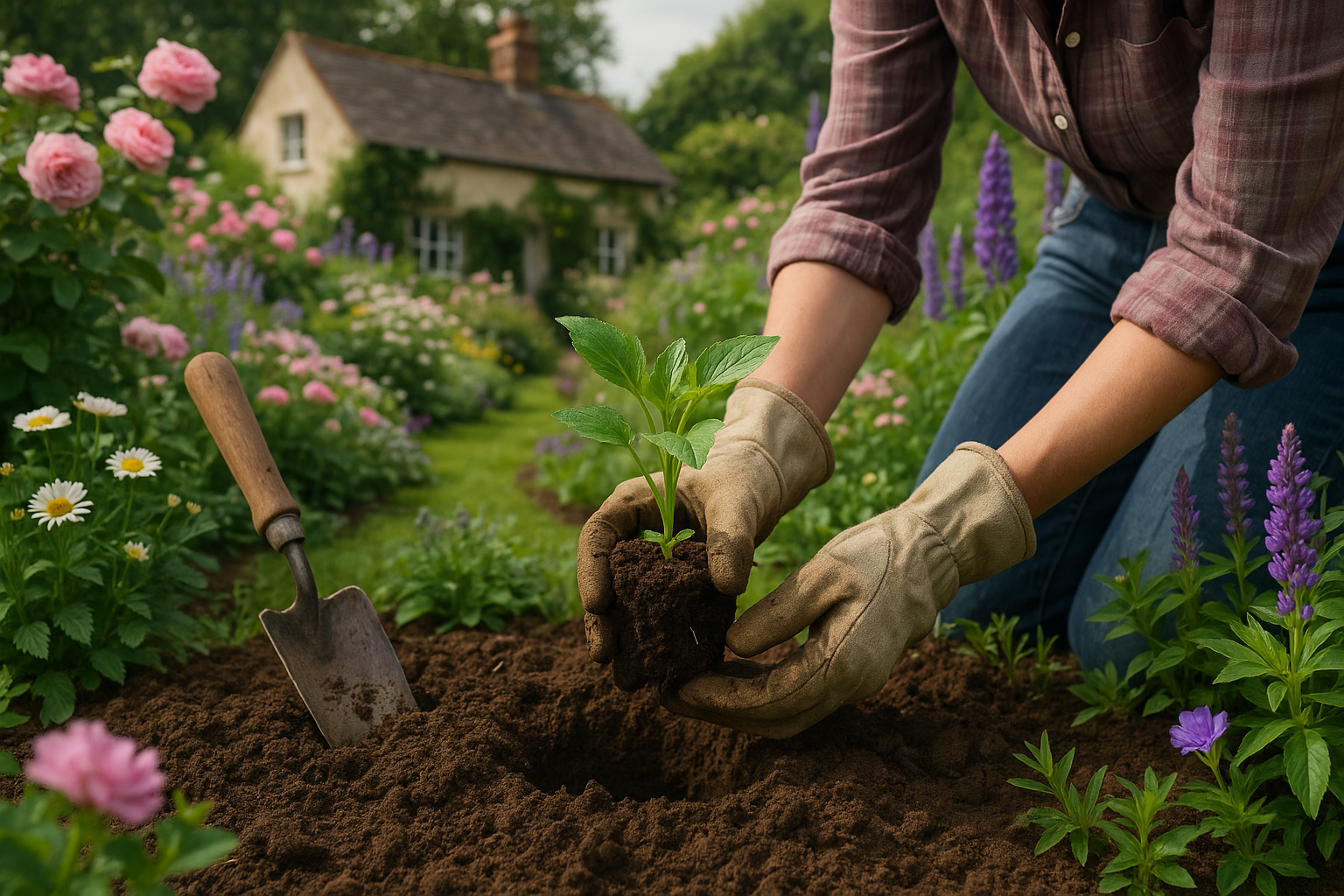
A cottage style garden evokes a sense of charm, nostalgia, and tranquility. Packed with vibrant colors and an assortment of textures, fragrances, and blossoms, these gardens transport us to simpler times. With a focus on natural beauty rather than manicured precision, cottage gardens celebrate a variety of plants, herbs, and flowers that grow harmoniously together.
This comprehensive guide will answer questions, provide step-by-step instructions, and offer helpful tips to help you cultivate your own enchanting cottage style garden.
What is a Cottage Style Garden?
At its essence, a cottage style garden is an informal planting scheme that incorporates a diversity of plants. Typically characterized by a relaxed aesthetic, these gardens prioritize creating a welcoming atmosphere, using dense plantings and pathways that twist and turn through the lush vegetation. Flowers, herbs, and even vegetables flourish side by side.
Characteristics of a Cottage Garden
- Diversity of Plants: A mixture of perennials, annuals, vegetables, and herbs.
- Informal Layout: Curved paths and organic shapes rather than rigid lines.
- Focal Points: Features such as arbors, trellises, or benches inspire moments of rest and reflection.
- Wildlife-friendly: Inviting bees, butterflies, and other beneficial creatures into the garden.
- Seasonal Interest: Plants that bloom at different times ensure color and beauty year-round.
Why Plant a Cottage Garden?
The allure of cottage gardens lies not only in their beauty but also in their practicality and sustainability.
Benefits of a Cottage Garden
- Biodiversity: By integrating various plants, you create a balanced ecosystem.
- Wildlife Habitat: These gardens support pollinators and other beneficial fauna.
- Food Source: A mix of flowers and vegetables provides nourishment while adding aesthetic appeal.
- Therapeutic: Gardening has been shown to reduce stress and enhance well-being.
- Community Building: Sharing plants and produce cultivates social connections with neighbors.
How to Start a Cottage Garden
Step 1: Choose the Right Location
One of the first considerations is the site for your garden. Look for a space with some sunlight, as most flowering plants prefer at least 6 hours of sunlight each day. Consider factors such as:
- Accessibility: The garden should be easily accessible for maintenance and enjoyment.
- Microclimates: Pay attention to variations in light, moisture, and wind exposure.
Step 2: Assess Your Soil
Before planting, understanding your soil composition is crucial. Cottage gardens thrive in well-drained soil that is rich in organic matter. Here’s how to get started:
- Conduct a Soil Test: You can purchase a soil testing kit or send a sample to a local extension service. pH levels between 6.0 and 7.0 are generally ideal for most garden plants.
- Amend the Soil: Based on your soil test results, enrich your soil with compost or well-rotted manure to improve nutrient content and drainage.
Step 3: Define the Layout
The joy of a cottage garden is in its inviting and informal design. Here’s how to make it uniquely yours:
- Paths: Create meandering pathways using gravel, bricks, or stones. These paths invite exploration and connect different areas of the garden.
- Borders: Use taller plants at the back and shorter ones at the front. You can also build hedges or fences for added character.
- Focal Points: Consider incorporating decorative features like birdbaths, sculptures, or seating areas within your design.
Step 4: Select Your Plants
Choosing the right plants is pivotal for a thriving cottage garden. The best selection will play off your climate, soil conditions, and personal preferences. Here’s a breakdown of ideal options:
1. Perennials
- Echinacea (Coneflower): Attracts butterflies and blooms from summer to fall.
- Rudbeckia (Black-eyed Susan): Bright yellow blooms that last and provide vibrant color.
- Lavender: Fragrant and draws bees and butterflies while thriving in dry conditions.
2. Annuals
- Zinnias: Easy to grow, with bright flowers that add a pop of color.
- Nasturtiums: Edible flowers that produce bright orange and yellow blooms.
- Cosmos: Delicate flowers that thrive in poor soil and attract beneficial insects.
3. Herbs
- Basil, Thyme, and Rosemary: Functional additions that are great for cooking and aromatic in the garden.
- Chives and Oregano: Easy to grow and provide visual interest with their unique flowers.
4. Climbers and Vines
- Climbing Roses: A classic choice that can adorn trellises and arbors.
- Sweet Peas: Scented flowers that add a vertical element to your garden.
Additional Plant Considerations
- Seasons: Opt for plants that will bloom at different times to ensure year-round interest.
- Color Schemes: Choose a palette that reflects your style. Soft pastels for a romantic feel or vibrant colors for a cheerful garden.
Frequently Asked Questions
Q1: How much maintenance is required for a cottage garden?
While cottage gardens have a natural, untamed appearance, they still require regular care. Here are some maintenance tips:
- Weeding: Regularly remove invasive weeds to prevent them from choking your flowers.
- Watering: Newly planted seeds and plants need consistent moisture. After establishment, many cottage plants are relatively drought-resistant.
- Pruning: Regularly deadhead flowers to encourage new blooms and maintain plant health.
- Fertilizing: Apply organic compost in spring to bolster nutrient levels.
Q2: What should I do in different seasons?
Spring:
- Plant fresh seeds and transplant established plants.
- Begin to weed and prepare your garden for the growing season.
Summer:
- Water plants regularly during dry spells.
- Enjoy the blooms and harvest herbs and vegetables as they mature.
Autumn:
- Begin cutting back spent plants, but leave some for wildlife habitat.
- Divide perennials if necessary and plant new ones for the next year.
Winter:
- Protect delicate plants with mulch.
- Enjoy the structural beauty of evergreens and ornamental grasses.
Q3: Can I incorporate vegetables into my cottage garden?
Absolutely! Cottage gardens can seamlessly integrate vegetables alongside ornamental plants. Here’s how to mix them effortlessly:
- Interplanting: Place taller ornamental plants next to shorter vegetables to optimize space.
- Design: Use colorful vegetables (such as purple carrots or rainbow chard) as visual accents.
- Companion Planting: Some vegetables like peppers and tomatoes work well alongside flowers to deter pests and attract pollinators.
Q4: How can I attract beneficial wildlife?
Cottage gardens naturally attract wildlife, but you can enhance this by following these guidelines:
- Plant Diversity: Include a range of flowering plants to support various pollinators.
- Water Sources: Provide shallow dishes of water or small ponds to offer hydration.
- Native Plants: Incorporate native flora, as they are more appealing to local wildlife.
Q5: What are some cost-effective tips for planting a cottage garden?
Planting a budget-friendly cottage garden can be done through:
- Seed Saving: Save seeds each year to use in the next growing season.
- Plant Swapping: Exchange plants or cuttings with friends and neighbors.
- Propagating: Learn to propagate plants through cuttings or divisions.
Final Touches: Ambient Elements
As you plant and maintain your cottage garden, consider adding atmospheric elements that enhance its charm.
Structures and Accessories:
- Trellises and Arbors: These not only support climbing plants but also create visual interest.
- Garden Furniture: Benches or bistro sets encourage relaxation and enjoyment of your space.
- Pathway Lighting: Install solar lights along paths to illuminate the garden at night, creating a magical ambiance.
Seasonal Decorations:
- Birdhouses and Feeders: Welcome feathered visitors with charming feeders and nesting boxes.
- Decorative Pots and Planters: Use terracotta pots for herbs or colorful containers for annuals.
Conclusion
Creating a cottage style garden is a fulfilling journey that celebrates beauty, biodiversity, and personal expression. With attention to detail and a little patience, you can cultivate a lush oasis filled with color, fragrance, and life. Whether you have a small urban balcony or a sprawling suburban backyard, a cottage garden can transform your outdoor space into a haven of peace and enjoyment.
Take the plunge, let your creativity flow, and invite nature into your life with a charming cottage style garden. With each flower that blooms and plant that flourishes, you’ll cultivate not only a beautiful space but also a nurturing environment for all living things. Happy gardening!