
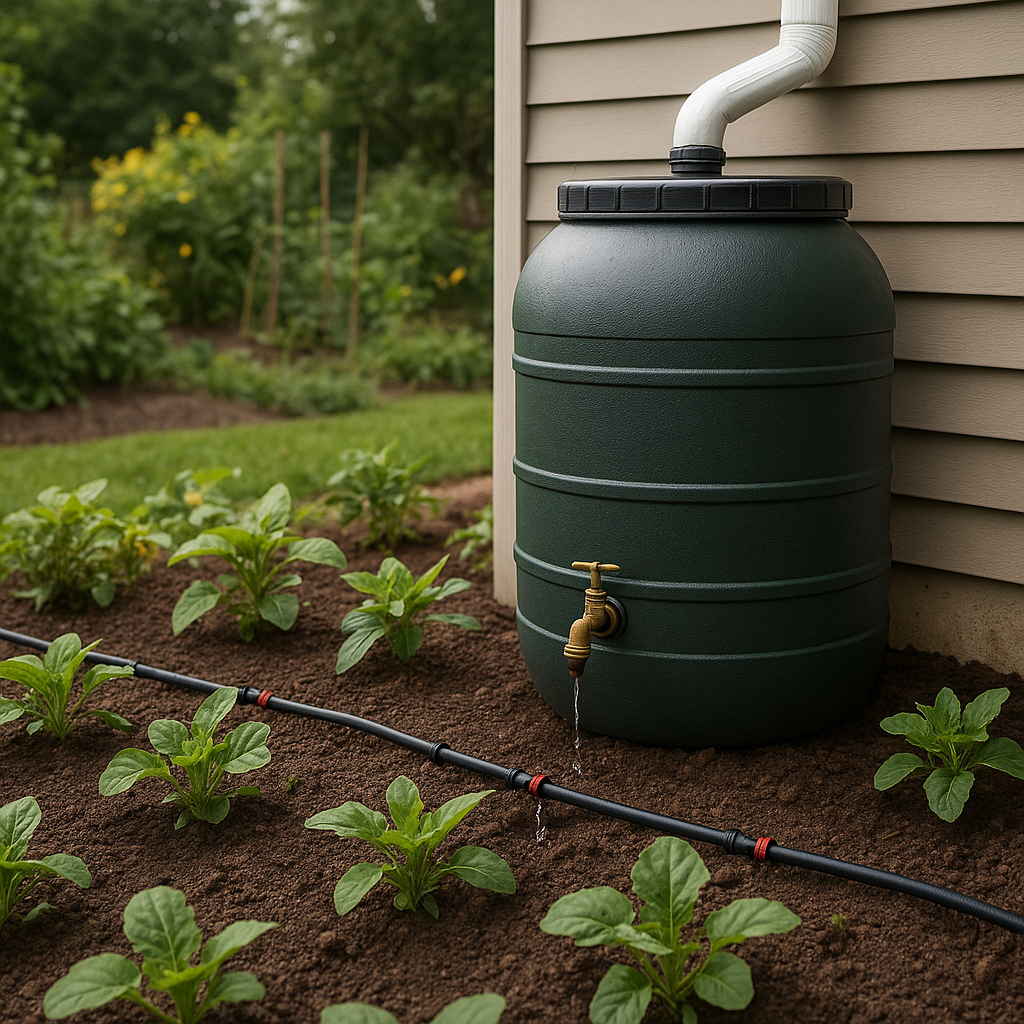
In an age where sustainability is at the forefront of environmental concerns, home gardeners and agriculturalists alike are continuously seeking efficient methods for cultivating crops while minimizing water waste. One of the unsung heroes of sustainable gardening is the combination of drip irrigation and rain barrels. This system not only promotes water conservation but also maximizes crop yield through targeted watering. In this article, we’ll delve into the intricacies of drip irrigation with rain barrels—its benefits, mechanics, design, installation, maintenance, costs, and common FAQs.
Understanding Drip Irrigation
What is Drip Irrigation?
Drip irrigation is a method that delivers water directly to the roots of plants through a network of tubing, pipes, and emitters. It involves applying water slowly and directly to the plant’s root zone, thus minimizing evaporation and runoff. This method allows for precise control over water application, ensuring that plants receive just the right amount of moisture.
What are the Benefits of Drip Irrigation?
-
Water Efficiency: Drip irrigation reduces water consumption by up to 50% compared to traditional watering methods. This is especially significant in areas experiencing drought.
-
Reduced Weed Growth: By directing water only to the plant roots, drip irrigation limits the moisture available to weeds, thereby reducing their growth.
-
Disease Prevention: By keeping foliage dry and reducing standing water, drip irrigation minimizes the risk of fungal infections and diseases.
-
Improved Crop Yields: The targeted approach of drip irrigation encourages robust root development, leading to healthier plants and bountiful harvests.
-
Convenience: Once installed, drip systems require minimal manual intervention, allowing for easier gardening.
How Does Drip Irrigation Work?
A typical drip irrigation system consists of the following components:
-
Water Source: This could be a rain barrel or a municipal supply.
-
Filtration: To prevent clogging, water is often filtered.
-
Pressure Regulator: This controls the water pressure in the system, ensuring that it remains within optimal levels for the emitters.
-
Tubing and Emitters: Flexible tubing delivers water to the plants, while emitters release water at a controlled rate.
-
Timers or Controllers: Optional devices that allow you to automate watering schedules, ensuring consistent moisture.
Harnessing the Power of Rain Barrels
What are Rain Barrels?
Rain barrels are containers used to collect and store rainwater from rooftops via gutters. Typically made of plastic, wood, or metal, these barrels can hold anywhere from 50 to 500 gallons of water. Rainwater is an excellent resource for gardening, as it is naturally soft and free from chemicals typically found in municipal water supplies.
Why Use Rain Barrels in Gardening?
-
Conservation: Utilizing rainwater helps conserve potable water resources and reduces reliance on municipal water supplies.
-
Cost Savings: By using rainwater for irrigation, gardeners can see a significant reduction in water bills.
-
Garden Health: Rainwater is free from chlorine and other chemicals, making it better for plant health.
-
Flood Management: Collecting rainwater can mitigate runoff and reduce the risk of urban flooding during heavy storms.
How to Set Up a Rain Barrel?
-
Select a Location: Choose an area close to downspouts where the barrel can fit comfortably.
-
Install a Downspout Diverter: This will direct rainwater from gutters into the barrel.
-
Position the Barrel: Elevate the barrel on a platform (wooden pallets, bricks, etc.) to create gravity-fed pressure.
-
Add a Spigot: Install a spigot near the bottom to make it easy to access the water.
-
Use a Mesh Cover: This prevents debris and mosquitoes from entering the barrel.
Integrating Drip Irrigation with Rain Barrels
How Do You Combine Drip Irrigation and Rain Barrels?
Integrating drip irrigation with rain barrels is a simple yet highly efficient process. The key is to connect the rain barrel to the irrigation system ahead of time, allowing the stored rainwater to be distributed directly to the plant roots.
-
Connect the Rain Barrel: Use a garden hose or appropriate tubing to connect the rain barrel’s spigot to the drip irrigation system.
-
Install a Pressure Regulator: If needed, ensure there is a pressure regulator to maintain optimal pressure for the emitters.
-
Use Appropriate Emitters: Depending on the plant types, choose drip emitters that release water at a rate suitable for your crops.
-
Automate with Timers: Consider adding a timer to regulate the watering schedule efficiently.
What Equipment Will You Need?
-
Rain Barrel: Choose a size based on your gardening needs.
-
Tubing: Flexible, UV-resistant tubing to connect to the drip system.
-
Emitters: Various flow rates to match different plant needs.
-
Pressure Regulator: To provide consistent water pressure.
-
Connectors and Stakes: To secure the tubing and connect different sections.
How Much Water Will You Need?
The water requirement for plants varies based on several factors:
-
Type of Plant: Some plants are drought-tolerant, while others need consistent moisture.
-
Weather Conditions: Hot, windy weather increases evaporation; cooler conditions require less water.
-
Soil Type: Sandy soils drain quickly, while clay retains moisture for longer periods.
As a general guideline, most garden plants require about 1 inch of water per week. A rain barrel can hold enough water to sustain a small garden during drier periods.
Installation Guide for Drip Irrigation with Rain Barrels
Setting up a drip irrigation system connected to a rain barrel can be a rewarding project. Here’s an in-depth step-by-step guide:
Step 1: Collect Materials
- Rain Barrel (with spigot)
- Drip Irrigation Kit (available at gardening stores)
- Tubing and Hose (appropriate diameter for your system)
- Emitters (choose based on your plants)
- Pressure Regulator (if necessary)
- Filtration System (optional, but recommended)
Step 2: Set Up the Rain Barrel
- Select a Location: Position your barrel near a downspout.
- Gut the Downspout: Cut the downspout to fit the diverter that will feed the rain barrel.
- Connect the Diverter: Install the diverter to redirect water into the rain barrel.
- Elevate the Barrel: Place the rain barrel on a stable base for better water flow.
Step 3: Connect Drip Irrigation Tubing
- Cut Tubing to Length: Measure the distance from the barrel to the plants and cut the tubing accordingly.
- Attach Tubing to Spigot: Connect one end of the tubing to the spigot of the rain barrel. Consider using hose clamps for a secure fit.
- Run the Tubing: Lay the tubing along garden beds, ensuring it reaches all plants.
Step 4: Install Emitters
- Determine Emitter Placement: Place emitters at the base of each plant where moisture is needed.
- Insert Emitters into Tubing: Puncture the tubing and insert the emitters. Ensure they are securely seated and not leaking.
- Cap Unused Tubing: If there are any additional lengths of tubing without emitters, cap them both ends to maintain water pressure.
Step 5: Test the System
- Open the Spigot: Slowly allow water to flow from the rain barrel into the irrigation system.
- Check for Leaks: Inspect all connections, emitters, and tubing for leaks or blockages.
- Observe Water Flow: Ensure that each emitter is properly delivering water to its plant.
Step 6: Automate (Optional)
-
Install a Timer: If desired, attach a timer at the spigot to automate watering schedules. Set it according to the needs of your plants.
-
Adjust Based on Weather: Be prepared to adjust your timer for wet vs. dry conditions.
Maintenance and Troubleshooting
Regular Maintenance Tips
- Inspect the Rain Barrel: Regularly check for algae buildup and clean as necessary.
- Clean Filters and Emitters: Remove any debris that might clog the system. This is crucial to maintain an efficient flow.
- Check for Leaks: Regularly inspect fittings and tubing for any leaks or weak connections.
- Monitor Water Levels: Keep an eye on the water levels in your rain barrel and refill as needed.
Common Issues and Solutions
- Clogged Emitters: Clean or replace emitters if they stop functioning properly.
- Insufficient Water Pressure: Ensure the rain barrel is elevated, or check for leaks in the system.
- Over/Under Watering: Adjust the number and flow rate of emitters to suit plant needs.
Cost Considerations
What is the Initial Investment?
The initial cost for setting up a drip irrigation system with a rain barrel can vary widely, but an estimated breakdown might look like the following:
- Rain Barrel: $50 to $200, depending on material and size.
- Drip Irrigation Kit: $30 to $150, depending on complexity.
- Additional Accessories: $10 to $50 (for filters, regulators, tubing).
Overall, you might expect to spend anywhere between $100 and $400 for a comprehensive system.
What are the Long-Term Savings?
While the initial investment may seem substantial, the long-term savings from reduced water usage and improved crop yields can lead to significant financial benefits. For instance:
- Water Bills: By using rainwater, you can decrease municipal water usage and see lower bills over time.
- Fertilizer Costs: Healthier plants often require less fertilizer, reducing overall gardening expenses.
- Increased Productivity: Consistent watering leads to improved crop yields, which translates into better returns on investment for those who sell their produce.
FAQs About Drip Irrigation with Rain Barrels
1. Can any plants be watered with drip irrigation?
Yes, drip irrigation is ideal for various types of plants, including vegetables, fruit trees, flowers, and shrubs. However, it’s essential to evaluate the specific water needs of different plants to determine the best emitter flow rates.
2. How often should I water my garden with drip irrigation?
Watering frequency depends on various factors such as plant type, weather conditions, and soil type. A general range might be once or twice a week. Observe your plants and soil moisture to adjust as needed.
3. What should I do if my rain barrel overflows?
If your rain barrel overflows, ensure there is proper drainage around the setup. Consider adding a diverter that can redirect excess water to garden areas or an overflow tube to prevent flooding.
4. Do I need a permit to collect rainwater?
Depending on your region, regulations may vary. In some areas, collecting rainwater is encouraged; in others, it may require permits. Always check local regulations before installing a rain barrel.
5. Is winterizing necessary for the system?
Yes, if you live in a region that experiences freezing temperatures, it’s essential to winterize your system. Drain all water from the barrel and irrigation lines to prevent damage from freezing.
6. How do I know if my emitters are working?
Monitor the soil moisture around your plants. If the soil is consistently dry beneath the surface or the plants show signs of stress, check for clogs or issues with the drip emitters.
7. Can I automate the system?
Yes, you can automate your drip irrigation system using timers. This ensures that your plants receive consistent watering, even when you’re not around.
Conclusion: A Step Towards Sustainable Gardening
Integrating drip irrigation with rain barrels presents an outstanding opportunity for sustainable gardening. It transforms the way we think about water usage, turning what is often seen as a limitless resource into a carefully managed one. By understanding the mechanics and benefits of this system, gardeners can contribute to a more sustainable future while enjoying healthy, thriving plants. This simple yet ingenious setup can lead to conservation and create a lush, vibrant garden—all while knowing you’re doing your part to protect our planet.
Adopting this water-efficient practice not only enhances your gardening experience but also ensures you are aligning your hobby with environmental stewardship. By investing in drip irrigation and rain barrels, you are not just planting seeds in the ground—you are planting seeds for a sustainable tomorrow.