
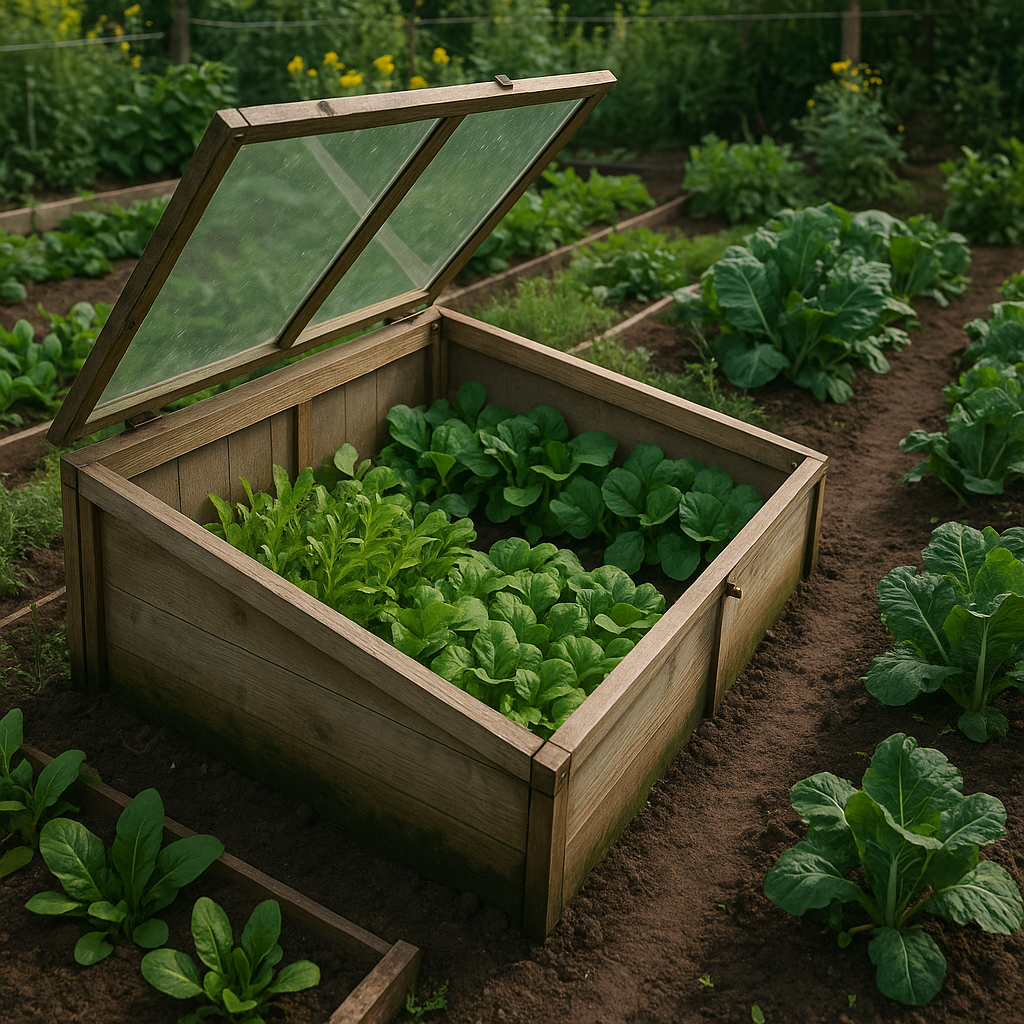
Cold frame gardening is an intriguing and practical method designed to extend the growing season, protect plants from harsh weather, and ultimately enhance your garden’s productivity. This age-old technique has been rediscovered by modern gardeners, providing a range of benefits that can significantly improve your gardening experience. In this extensive guide, we’ll delve deep into what cold frames are, how they work, and provide you with expert insights, including step-by-step instructions, care tips, and answers to frequently asked questions.
What is a Cold Frame?
A cold frame is a structure designed to trap heat and light, effectively creating a microclimate for plants. Typically made from wood or other materials with a transparent top, cold frames allow sunlight to enter while retaining warmth, protecting seedlings and plants from cold temperatures, frost, and harsh winds. They can be used at any time of the year but are particularly beneficial in spring and fall when temperatures can fluctuate dramatically.
Benefits of Cold Frame Gardening
-
Extended Growing Season: Cold frames allow you to start your gardening earlier in spring and extend it into fall, maximizing your harvest potential.
-
Protection from Harsh Weather: They provide a refuge from frost, hail, and strong winds, safeguarding delicate seedlings and plants.
-
Better Soil Temperature: The enclosed environment heats the soil faster, promoting seed germination and plant growth.
-
Pest Control: By shielding plants from pests and animals, cold frames create a safer growing environment.
-
Versatility: Suitable for a variety of plants, from early spring greens to late-fall vegetables, cold frames can adapt to various gardening styles.
Setting Up Your Cold Frame
Choosing the Right Location
-
Sunlight: Select a location that receives at least 6–8 hours of direct sunlight per day. This will ensure optimal warmth within the cold frame.
-
Accessibility: Place it where you can easily access it for watering, harvesting, and inspections.
-
Shelter from Harsh Winds: A spot that is protected from prevailing winds can help maintain the temperature inside the frame.
Building or Buying a Cold Frame
You can either build your own cold frame or purchase a pre-made one. Here’s how to make a simple DIY cold frame:
Materials Needed:
- Wooden boards (2×4 or similar)
- Hinges
- Plexiglass or glass panes
- Screws
- Optional: L-brackets for added stability
Instructions:
-
Frame Construction:
- Cut wooden boards to form a rectangular base – choose an appropriate size based on your available space and needs.
- Construct a similar-sized lid that is sloped (back higher than the front) to promote water drainage and maximize sunlight exposure.
-
Attach the Lid:
- Use hinges to attach the lid to the back of the frame. This allows you to open it for ventilation.
-
Create the Glazing:
- If using glass panes, cut them to fit the frame and secure them using screws. For Plexiglass, ensure you’ve accounted for expansion and contraction to avoid breakage.
-
Ventilation:
- Make sure to create a way to ventilate your cold frame; opening the lid or adding small vents can prevent overheating on sunny days.
-
Base Preparation:
- Build the base by placing it directly on the ground or on a raised surface. If it’s directly on the soil, consider adding a few inches of compost or well-rotted manure for healthy plant growth.
What to Plant in a Cold Frame
The versatility of cold frames means you can plant a variety of crops:
- Early Spring: Start hardy greens like lettuce, spinach, and kale early.
- Summer Extension: Use it to extend the life of beans, peppers, and tomatoes into the cooler months.
- Fall Crops: Sow radishes, turnips, and late-season carrots in late summer for a fall harvest.
- Herbs: Basil, cilantro, and parsley thrive in cold frames, allowing for a year-round herb garden.
Care and Maintenance of Your Cold Frame
If you want to get the most out of your cold frame, maintaining it is crucial:
-
Temperature Monitoring: During the day, temperatures can rise quickly. Open the lid to ventilate and prevent overheating. Conversely, on colder nights, close it to retain warmth.
-
Watering: Soil in cold frames can dry out more quickly than outside, so monitor moisture levels. Aim to keep it consistently moist but not soggy.
-
Fertilizing: Use organic fertilizers sparingly, as the enclosed environment can help in nutrient retention. Compost tea is an excellent option for a mild nutrient boost.
-
Pest Management: Regularly check for pests. If any are found, consider organic solutions like neem oil or insecticidal soap to manage infestations effectively.
-
Cleanliness: Regularly clean both the glass and the frame to maximize sunlight penetration and prevent disease and algae growth.
Frequently Asked Questions
Q1: Can I use a cold frame in summer?
Absolutely! While cold frames are primarily known for their use in colder months, they can also be a haven for plants that require cooler temperatures in hot months. Just ensure you ventilate adequately to prevent overheating.
Q2: How do I manage humidity levels inside the cold frame?
Humidity can build up quickly in a cold frame. Ensure proper ventilation by opening the lid during sunny days and establishing side vents or using a small fan when necessary.
Q3: What materials work best for cold frames?
While glass offers excellent light transmission and durability, Plexiglass and polycarbonate are also excellent alternatives, as they are more lightweight and break-resistant. Wooden frames are common, but consider using recycled materials to reduce environmental impact.
Q4: How do I prepare my cold frame for winter?
In late fall, clean the frame and remove any remaining plants. You can line the base with straw or organic mulch to provide extra insulation. Additionally, covering the frame with bubble wrap aids thermal retention, allowing for winter crop growth.
Q5: What plants are the best for a cold frame?
Cold frames excel with hardy vegetables and plants such as lettuce, spinach, kale, chard, radishes, and various herbs. For winter, you might consider planting garlic or overwintering certain greens for an early spring harvest.
Creative Uses for Cold Frames
Once you’ve got the hang of a traditional cold frame, you can explore some innovative ideas!
-
Mini Greenhouse: Create a mini greenhouse effect by transforming a larger cold frame into a propagation station for starting seeds.
-
Storage: Utilize cold frames during the off-season for tool storage, protecting your gardening implements from the elements.
-
Atmospheric Gardens: Plant aromatic herbs and container-friendly flowers to create a sensory experience, combining beauty and utility.
The Future of Cold Frame Gardening
As the movement toward sustainable, local food production grows, the interest in cold frame gardening is likely to rise significantly. The practicality and minimal environmental impact make it an excellent tool for eco-conscious gardeners. By adopting cold frames, you don’t just enhance your gardening practices; you become a part of a larger conversation about food security and sustainability.
Conclusion
Cold frame gardening embodies the ingenuity of traditional horticultural practices tailored for modern needs. Whether you’re an experienced gardener or just starting, cold frames offer a gateway to a more productive and fulfilling gardening experience. Armed with this knowledge, you are now equipped to set up, maintain, and utilize a cold frame to its fullest potential.
So, gather your materials, engage with your plants, and watch as your gardening capabilities blossom in response to the transformative power of cold frames! Happy gardening!