
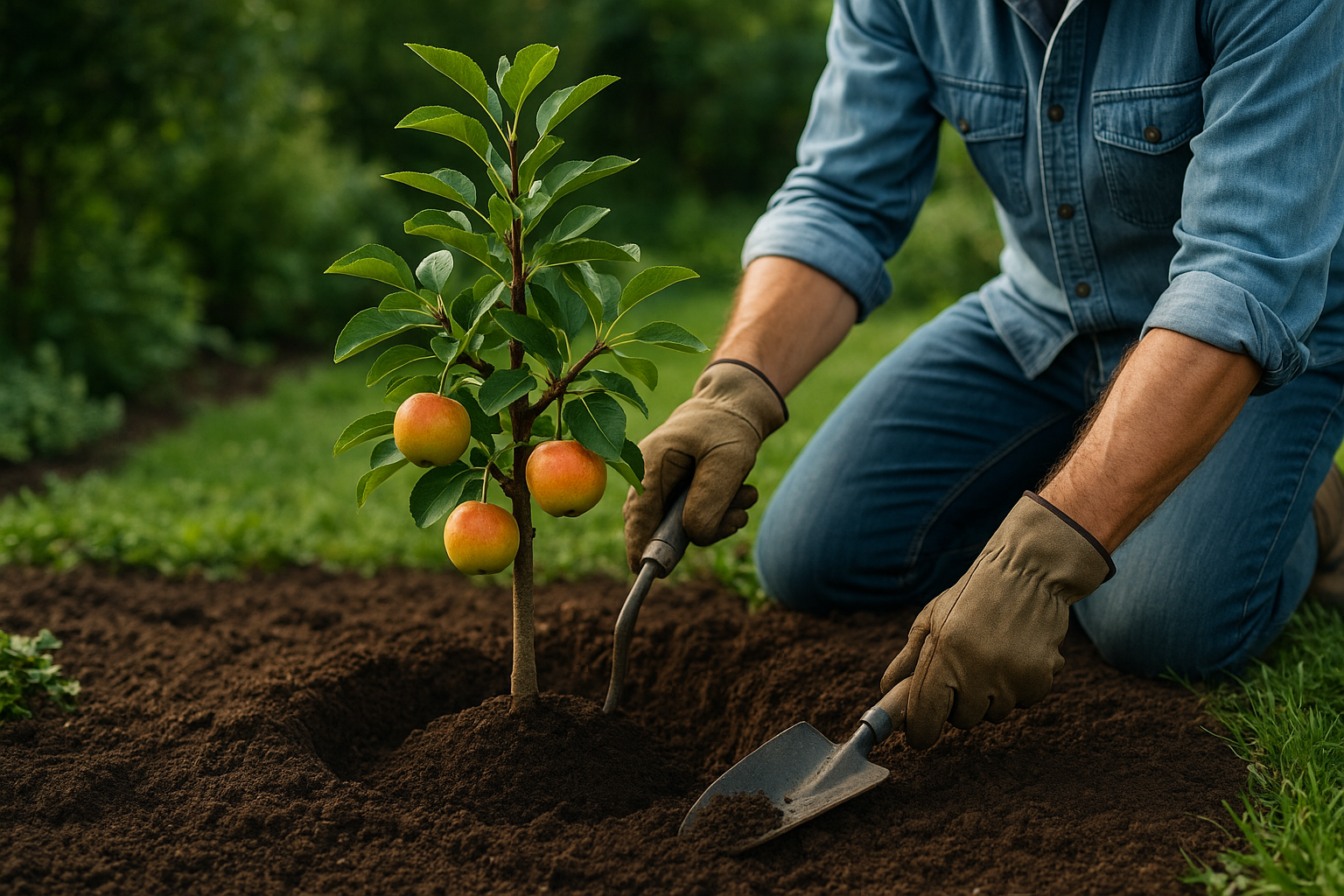
Planting dwarf fruit trees in your garden is not only an enjoyable endeavor but also a sustainable choice that provides delicious yields without demanding excessive space or maintenance. This article takes you through the nuances of establishing a flourishing dwarf fruit tree garden, answering common questions and imparting essential knowledge along the way.
What Are Dwarf Fruit Trees?
Dwarf fruit trees are specially bred to remain compact while still bearing fruit. Unlike standard fruit trees, which can grow to heights of 15 feet or more, dwarf varieties typically reach a height of 2 to 8 feet. The term “dwarf” refers to trees that have been grafted onto rootstocks that control their size while maintaining their ability to produce abundant fruit.
Benefits of Dwarf Fruit Trees
- Space-Saving: Ideal for small gardens, patios, and urban environments.
- Ease of Maintenance: Smaller stature makes pruning, spraying, and harvesting easier.
- Early Production: Dwarf fruit trees often start producing fruit faster than their standard counterparts.
- Aesthetic Appeal: They add beauty to your garden, creating a charming, productive landscape.
- Variety of Choices: Choose from a wide array of dwarf varieties that can fit virtually any preference.
Choosing the Right Dwarf Fruit Trees
How Do I Choose the Right Dwarf Fruit Trees for My Garden?
When selecting dwarf fruit trees, consider the following factors:
- Climate: Ensure that the species can thrive in your local climate zone. Refer to the USDA Plant Hardiness Zone Map to determine which trees are suitable for your area.
- Soil Type: Most dwarf fruit trees prefer well-drained, slightly acidic soil. Conduct a soil test if unsure.
- Sunlight: Most fruit trees require a location with at least 6-8 hours of direct sunlight daily.
- Fruit Preferences: Think about what fruits you enjoy and how they will fit your culinary needs.
Popular Dwarf Fruit Trees:
- Apple: ‘Honeycrisp’ and ‘Fuji’ are popular, producing sweet, crisp fruits.
- Peach: ‘Bonanza’ and ‘Pix Zee’ yield juicy peaches with a sweet flavor.
- Cherry: Dwarf varieties like ‘Stella’ produce delicious, deep red cherries.
- Lemon: The ‘Improved Meyer’ lemon tree is both beautiful and fruitful, yielding fragrant lemons.
Preparing Your Garden for Dwarf Fruit Trees
What Steps Should I Follow to Prepare My Garden for Planting?
-
Choose the Right Location: Look for a sunny spot with protection from harsh winds.
-
Check Soil Quality: Conduct a pH test—aim for a pH between 6.0 and 6.8 for most dwarf fruit trees. Amend as necessary.
-
Amend the Soil: If your soil needs improvement, consider adding organic compost or well-rotted manure to enhance fertility.
-
Consider Drainage: If planting in clay soil, consider creating raised beds or mounds to improve drainage.
-
Plan for Spacing: Even dwarf trees need space to grow. Generally, space them 5 to 8 feet apart, depending on the variety.
Planting Your Dwarf Fruit Trees
How Do I Properly Plant Dwarf Fruit Trees?
-
Timing: Plant in early spring or fall, when the weather is mild.
-
Dig the Hole: Make the hole about twice the width and the same depth as the root ball. Loosen the soil to promote root growth.
-
Lightly Prune the Roots: If the roots are tightly bound, gently prune them to encourage new growth.
-
Position the Tree: Place the tree in the hole so that the root collar is level with or slightly above the soil surface.
-
Fill the Hole: Backfill with soil, making sure there are no air pockets. Water thoroughly after planting.
-
Mulching: Apply a layer of organic mulch around the base to retain moisture and suppress weeds.
-
Staking: If necessary, stake your young trees to provide additional support during their formative years.
Caring for Your Dwarf Fruit Trees
What Kind of Care Do Dwarf Fruit Trees Require?
-
Watering: Dwarf fruit trees typically need about 1 inch of water per week, especially during dry spells. Drip irrigation is an efficient method.
-
Fertilizing: Use a balanced fertilizer in early spring. Avoid heavy nitrogen fertilizers to discourage excessive leaf growth at the expense of fruit.
-
Pruning: Prune your dwarf fruit trees annually to remove dead or diseased wood and to shape the tree for optimal fruit production. The best time to prune is late winter to early spring.
-
Pest and Disease Management:
- Common Pests: Aphids, spider mites, and fruit flies can be culprits. Use natural or chemical pest control methods as necessary.
- Common Diseases: Fire blight in apples, leaf spot in peaches, and sooty mold can affect trees. Keep your trees healthy through proper care, and consider fungicides if needed.
-
Harvesting: Generally, dwarf fruit trees will begin to bear fruit 1 to 3 years after planting. Harvest fruits at peak ripeness for the best flavor.
Seasonal Care
How Does Seasonal Care Differ for Dwarf Fruit Trees?
Spring:
- Fertilization and mulching follow planting.
- Begin pest monitoring as weather warms.
Summer:
- Water consistently; be vigilant for signs of pest or disease.
- Thin out fruits if clusters are too dense, promoting larger fruit.
Fall:
- Prune lightly after harvest to promote strong growth.
- Mulch to protect roots during winter.
Winter:
- Apply dormant oil sprays to control overwintering pests.
- Avoid heavy pruning during the cold season.
Common Challenges
What Issues Might I Encounter with Dwarf Fruit Trees?
-
Poor Fruit Set: This can occur due to insufficient pollination. Consider planting multiple varieties that bloom at the same time to ensure cross-pollination.
-
Pest and Disease Pressure: Maintain vigilance for pests/diseases and address infestations quickly to prevent spreading.
-
Falling Fruit: This can happen if the tree is stressed. Check watering and nutrient levels.
-
Overgrowth: Even dwarf trees may become larger than expected; regular pruning is essential.
The Aesthetic Appeal of Dwarf Fruit Trees
Can Dwarf Fruit Trees Serve an Aesthetic Purpose Beyond Their Yield?
Absolutely! Dwarf fruit trees can be stunning additions to any landscape. They can be planted in rows for a mini-orchard look, paired with ornamental plants, or even grown in containers for balconies and patios. Here are some creative ideas:
- Espalier: Train your trees along a wall or fence for a unique visual impact.
- Fruit Borders: Line pathways or driveways with dwarf fruit trees to create enchanting borders.
- Multi-Tree Planters: Use large containers to create a portable fruit garden, allowing you to showcase different varieties.
Conclusion
Creating a dwarf fruit tree garden is an endeavor that combines beauty, utility, and joy. Not only are you making a sustainable choice by growing your own food, but you’re also creating an enjoyable hobby and a beautiful landscape.
By selecting the right varieties for your climate, properly preparing your garden, planting, and maintaining your trees, you’ll reap the rewards for years to come. The flavor of homegrown fruit is unmatched, and dwarf fruit trees allow anyone, regardless of space, to experience that delight.
Final Thoughts
So grab your gardening gloves and trowel! Begin your journey towards a picturesque and productive dwarf fruit tree garden. If you keep learning and adapting your care techniques, your garden will flourish, offering fruit, beauty, and a fulfilling gardening experience. Happy planting!