
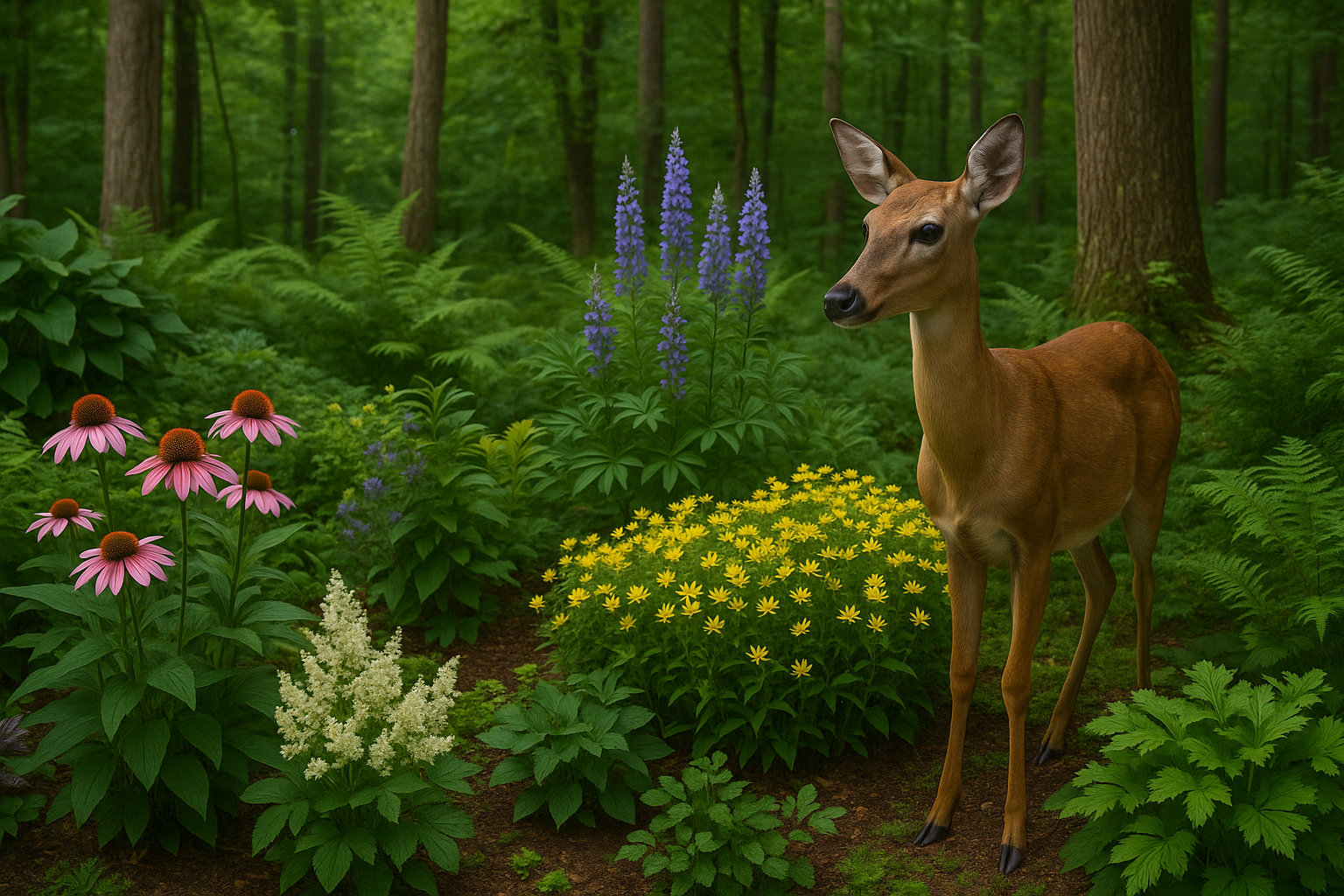
Woodland gardens offer an enchanting, serene space that replicates the beauty of natural woodlands. However, one of the persistent challenges faced by gardeners is the presence of deer, which can wreak havoc on beautifully cultivated landscapes. Luckily, creating a deer-resistant woodland garden is entirely feasible with the right knowledge and strategies. This article provides in-depth insights into designing, planting, and maintaining a deer-resistant woodland garden while addressing common questions and concerns.
Understanding the Importance of Deer Resistance
What is a Deer-Resistant Woodland Garden?
A deer-resistant woodland garden is designed to prioritize native species and plants that either deter deer or are unappealing to them. The objective is to create a resilient ecosystem that enhances biodiversity while minimizing damage caused by deer populations.
Why Consider a Deer-Resistant Garden?
-
Preservation of Flora: Deer can destroy flowers, shrubs, and trees before they have a chance to grow. Establishing a deer-resistant garden safeguards your investments in time and resources.
-
Ecosystem Balance: By choosing deer-resistant plants, you can support local wildlife and minimize human-deer conflicts, allowing for a balanced ecosystem.
-
Aesthetic Appeal: A well-designed woodland garden remains visually pleasing and vibrant throughout the seasons.
Designing a Deer-Resistant Woodland Garden
How to Start Planning Your Woodland Garden
-
Research Your Local Environment: Understand the indigenous plants from your region and consider soil conditions, moisture levels, and sunlight exposure. Native flora typically require less maintenance and adapt well to local climates.
-
Select the Right Location: Identify an area that mimics natural woodland conditions—maintaining good drainage, part shade to full shade, and protection from harsh winds.
-
Prepare the Site: Remove any invasive species and weeds that could compete with your desired plants. Utilize mulch to help retain moisture and suppress weeds.
Choosing the Right Plants
Which Plants are Deer-Resistant?
While no plant is completely deer-proof, many have characteristics that make them less appealing. The following categories are excellent options for your woodland garden:
-
Foliage Plants:
- Ferns: Varieties such as Ostrich Fern and Christmas Fern are resilient.
- Hostas: Varieties with thicker leaves tend to be less palatable.
-
Flowering Plants:
- Trillium: A woodland native, it produces stunning blooms admired by gardeners.
- Wild Ginger (Asarum canadense): Its unusual flowers and ground cover capabilities are beneficial.
-
Shrubs:
- Spicebush (Lindera benzoin): This shrub offers year-round interest with fragrant flowers in spring and berries in fall.
- Summersweet (Clethra alnifolia): Not only is it fragrant, but it also offers beautiful fall color.
-
Trees:
- Red Maple (Acer rubrum): This tree is not only beautiful in the fall but also less preferred by deer.
- Black Cherry (Prunus serotina): This tree supports wildlife while remaining resistant to deer browsing.
Each of these plants not only contributes to your garden’s aesthetic but also supports local wildlife, including birds and pollinators.
Additional Design Considerations
-
Layering: Incorporate various heights in your design—tall trees, mid-level shrubs, and groundcover plants create a more natural feel and provide biodiversity.
-
Creating Paths: Design winding paths using mulch or natural stone. This not only adds visual interest but also allows for easier maintenance.
-
Integrating Hardscaping Elements: Consider incorporating benches, sculptures, or birdbaths. Scenic views invite people into the garden and promote a sense of peace.
-
Planting Density: Ensuring plants are not too sparse prevents deer from easily accessing any individual plant.
Maintenance of Your Deer-Resistant Woodland Garden
How Often Should You Maintain Your Woodland Garden?
Regular maintenance is key to sustaining a healthy woodland garden. Designate a schedule for:
-
Pruning: Seasonal pruning helps shape plants and encourages new growth.
-
Weeding: Regularly monitor for invasive species to ensure they don’t outcompete your desired plants.
-
Watering: Especially during the first few seasons, ensure your plants are well-watered until they establish deep roots.
-
Fertilizing: Use organic fertilizers which release nutrients slowly, promoting healthy growth without overwhelming native plants.
Can You Use Deer Repellents?
Yes, using repellents can add another layer of defense. Products that contain scents deer find unpleasant—such as garlic, pepper, and human hair—can be effective. However, these need to be reapplied frequently, especially after rainfall.
What Are Companion Planting Strategies?
Companion planting encourages a diverse ecosystem that can confuse or deter deer:
-
Strong-Scented Herbs: Planting herbs like rosemary, thyme, and sage near your ornamentals can deter deer.
-
Native Wildflowers: Grouping your more vulnerable plants with varieties like Culver’s Root or Rudbeckia can distract deer from preferred food sources.
Addressing Common Concerns about Deer in Woodland Gardens
How Do Deer Determine What to Eat?
Deer are notorious browsers, and their tastes can be ephemeral. Usually, they prefer tender young shoots, wildflowers, and fruits. However, they’re notorious for browsing almost anything when their usual food sources are unavailable. Factors affecting deer preferences include:
-
Availability of Food Supply: When food is scarce, deer might sample plants they usually avoid.
-
Season: During late spring and early summer, deer are more voracious and may be more willing to strip certain plants.
Are There Plants That Attract Deer?
Yes, certain plants are particularly attractive to deer:
- Tulips: Their vibrant blooms and sweet scent can draw deer in.
- Hostas: While some varieties are less palatable to deer, many are favorites due to their tender foliage.
Being aware of these species helps you design strategically, ensuring that such plants remain to a minimum in your woodland garden.
The Role of Fencing and Barriers
Do I Need Fencing in My Woodland Garden?
While a fully enclosed garden can deter deer, it is not always a feasible or aesthetically pleasing option. Consider a combination of methods:
-
Partial Fencing: A decorative fence that stands at least 8 feet tall can deter deer effectively. It is important that the fence does not have openings that deer can easily jump through.
-
Plant Barriers: Dense thickets of thorny or tough shrubs can act as a natural barrier.
-
Motion-Activated Sprays: An option for smaller gardens that can help scare away deer without harsh barriers.
Seasonal Tips for Deer Resistance
What Should I Be Aware of During Different Seasons?
-
Spring: Ensure young plants are well-established before deer become active. Utilize netting for vulnerable species.
-
Summer: Maintain hydration and use repellents if deer seem more active.
-
Fall: As autumn foliage begins to drop, consider layering plants to entice deer away from more vulnerable spots.
-
Winter: During winter months, food scarcity may drive deer into gardens. Protect more vulnerable species with burlap or fencing.
Conclusion
Creating a deer-resistant woodland garden is an excellent way to foster a productive, beautiful landscape that remains resilient to deer damage. By utilizing native plants, thoughtful design strategies, and diligent care, gardeners can create verdant spaces that thrive in harmony with nature.
The Benefits of a Deer-Resistant Woodland Garden
-
Environmental Conservation: Promoting native species supports local ecosystems and wildlife.
-
Sustainability: A well-maintained woodland garden can require less intervention and resource investment over time.
-
Personal Connection to Nature: Engaging with a garden fosters mindfulness and appreciation for nature in its rawest form.
In summary, with careful planning, execution, and maintenance, a successful deer-resistant woodland garden can be achieved, bringing joy and tranquility well beyond the hard work invested. So roll up your sleeves and start planting today by integrating nature into your living space while successfully keeping deer at bay!