
Introduction
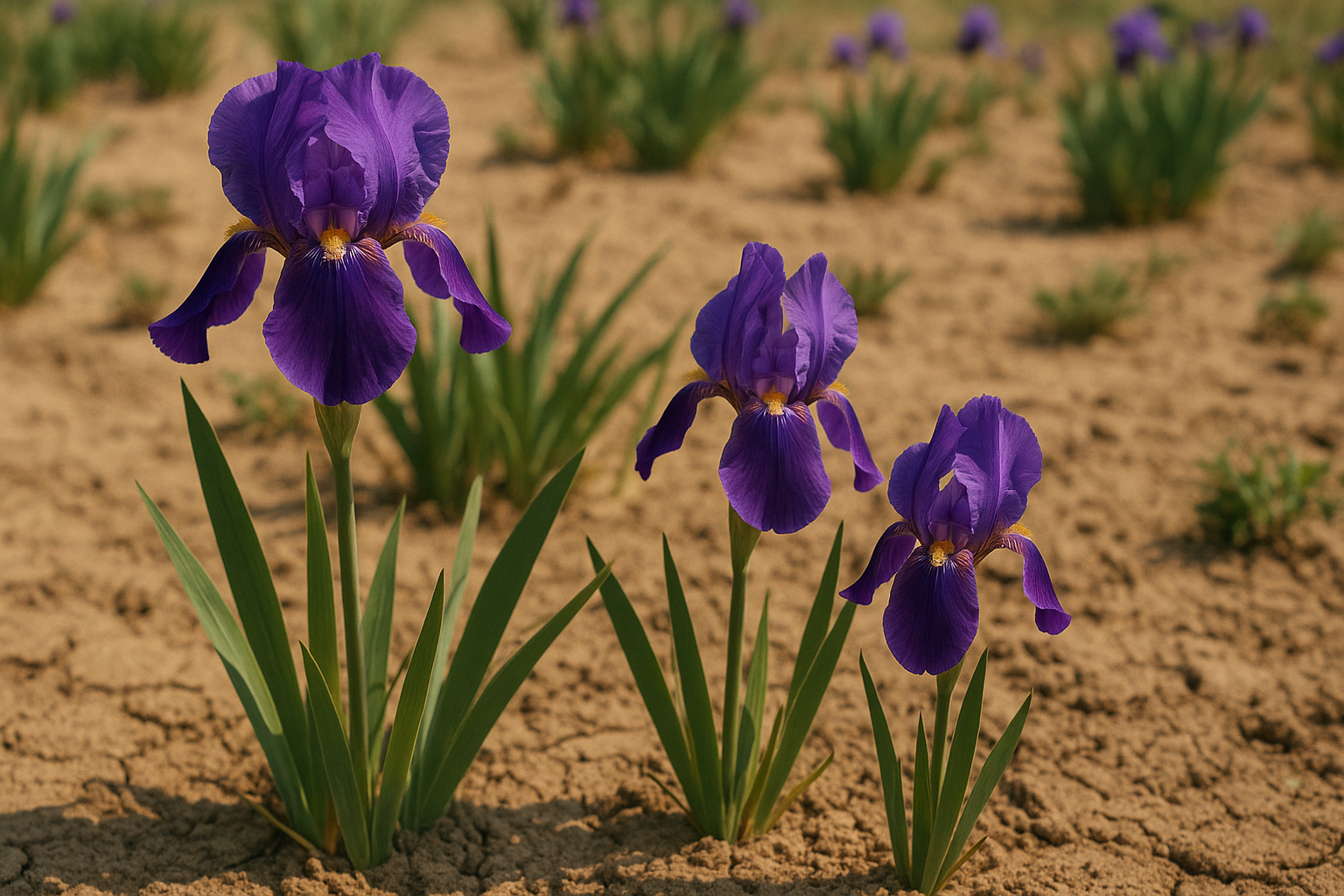
Iris, with their striking blooms and varied colors, are a garden favorite. This perennial plant belongs to the Iridaceae family, boasting over 300 species and countless hybrids. Many gardeners are increasingly concerned about sustainability and plant resilience, particularly in the face of climate change and prolonged droughts. A critical question arises: Are iris drought tolerant? In this article, we’ll explore this topic thoroughly, addressing numerous questions and providing insights into the nature of iris plants, their adaptability, and optimal care for drought-prone environments.
Understanding Iris Plants
Before diving into drought tolerance, it helps to understand what irises are and the different types. Iris species can be categorized into two primary groups:
-
Bearded Iris (Iris germanica): Known for their large flowers with “beards” on the lower petals. They thrive in well-drained soils and full sun.
-
Siberian Iris (Iris sibirica): These iris varieties are known for their hardiness and tolerance of wetter conditions, making them different from their bearded cousins.
Other Types of Iris
-
Japanese Iris (Iris ensata): Prefers wet conditions and is typically found in water gardens.
-
Dutch Iris (Iris hollandica): Grown primarily for commercial cut flower production, they’re less hardy than others.
Understanding these types helps in answering the question of drought tolerance, as their environmental preferences can vary significantly.
Are Irises Drought Tolerant?
The Drought Tolerance of Iris Species
To answer the main question: yes, most iris species, particularly bearded irises, display a significant degree of drought tolerance. However, their resilience is contingent upon various factors, including soil conditions, plant care, and flowering cycles.
Factors Influencing Drought Tolerance
-
Soil Type: Irises flourish in well-drained soils. Heavy clay or overly compacted soils may retain moisture, leading to rot—an opposite concern during dry spells.
-
Sunlight: Full sun exposure is critical. While some species can tolerate partial shade, maximum blooming and drought resilience are achieved with adequate sunlight.
-
Root Structure: Iris plants have rhizomes, which store energy and moisture. This adaptation allows them to survive periods of low water availability.
Planting and Caring for Drought-Tolerant Irises
Planting
When planting irises in areas prone to drought:
-
Choose the Right Location: Select a spot that receives at least six hours of sunlight daily.
-
Soil Preparation: Amend the soil with compost to improve drainage. A mix of sand and loam works well to prevent waterlogging.
-
Spacing: Ensure adequate space (12-18 inches apart) between plants to allow excellent air circulation and reduce competition for moisture.
Establishing a Drought-Tolerant Iris Garden
-
Watering Practices: Initial watering is essential for establishing roots. Once the plants are settled, allow the soil to dry between waterings. Overwatering can lead to rot, while underwatering will stress the plant.
-
Mulching: Adding a layer of mulch helps in retaining moisture during hot months while preventing weed growth.
-
Fertilization: Use a balanced, slow-release fertilizer sparingly, as over-fertilization can lead to excessive foliage at the expense of flowers.
Seasonal Care for Drought Resistance
Understanding the seasonal growth cycle of irises is essential for maintaining drought tolerance:
-
Spring: Water regularly as new growth emerges, then transition to less frequent watering as they mature.
-
Summer: During hot months, once established, water deeply but infrequently. This practice encourages deeper root growth.
-
Fall: Gradually reduce watering frequency as the plant prepares for dormancy.
-
Winter: Be careful not to overwater during this dormant phase, as the plant is more vulnerable to rot.
Frequently Asked Questions
Q1: How often should I water my irises during a drought?
Once established, irises generally thrive with minimal watering. During drought conditions, it’s often suitable to water them every two to three weeks. Ensure that the water penetrates deep into the soil, encouraging deeper root growth.
Q2: Can I grow iris in pots during drought?
Yes, but be aware that potted plants are more susceptible to drying out than those planted directly in the ground. Select a large pot with drainage holes, and use a well-draining potting mix. Water consistently, ensuring the pot doesn’t become overly dry.
Q3: Do irises attract wildlife, and does this matter for drought tolerance?
Indeed, irises attract pollinators like bees and butterflies, which can benefit your garden’s ecosystem. However, their relationship with wildlife does not directly influence drought tolerance. Still, maintaining an attractive garden can promote biodiversity, making your garden more resilient overall.
Q4: What are the signs of drought stress in irises?
Yellowing leaves, wilting flowers, and stunted growth are indicative of drought stress in irises. If you observe these signs, it’s essential to water them appropriately, ensuring that moisture reaches deep into the ground.
Q5: Are there any irrigation systems that can help in maintaining iris?
Drip irrigation systems are ideal for maintaining moisture without the risk of overwatering. This system delivers water directly to the root zone, promoting healthy growth while conserving water.
Additional Considerations
Climate Adaptation
Regions with extreme weather variations may require specific adaptations. For example, xeriscaping—a landscaping method that reduces the need for irrigation—can be a valuable approach for growing irises in arid regions.
Companion Planting
Consider companion planting by pairing irises with other drought-tolerant plants such as:
- Lavender: Thrives in similar conditions and adds fragrance and color.
- Sedums: Low-maintenance succulents that require little water.
Pests and Diseases
While generally resilient, irises can be affected by pests and diseases, particularly if stressed. Typical issues include:
- Bacterial Soft Rot: Often caused by overwatering. Ensure proper drainage.
- Iris Borers: Caterpillars that can damage the plant. Inspect regularly and remove them manually or use organic pesticides.
Conclusion: The Case for Iris as a Drought-Tolerant Plant
In summary, irises not only display attributes that can make them drought-tolerant but also add beauty and color to gardens, providing excellent opportunities for sustainable gardening. By employing appropriate planting techniques, practices, and care, gardeners can grow these fabulous blooms even in challenging, arid conditions.
Understanding your local climate and soil type is essential in maximizing the drought-tolerant potential of irises. The remarkable adaptability and durability of these plants make them a valuable addition to any water-conscious gardener’s repertoire. Embrace the challenge of growing irises amid dry conditions; their spectacular blooms will repay your efforts with vibrancy and joy for years to come.
In the face of an uncertain climate future, choosing drought-tolerant plants like irises serves as both a practical decision and a step towards responsible gardening. So, plant those rhizomes, care for them well, and watch your garden flourish.