
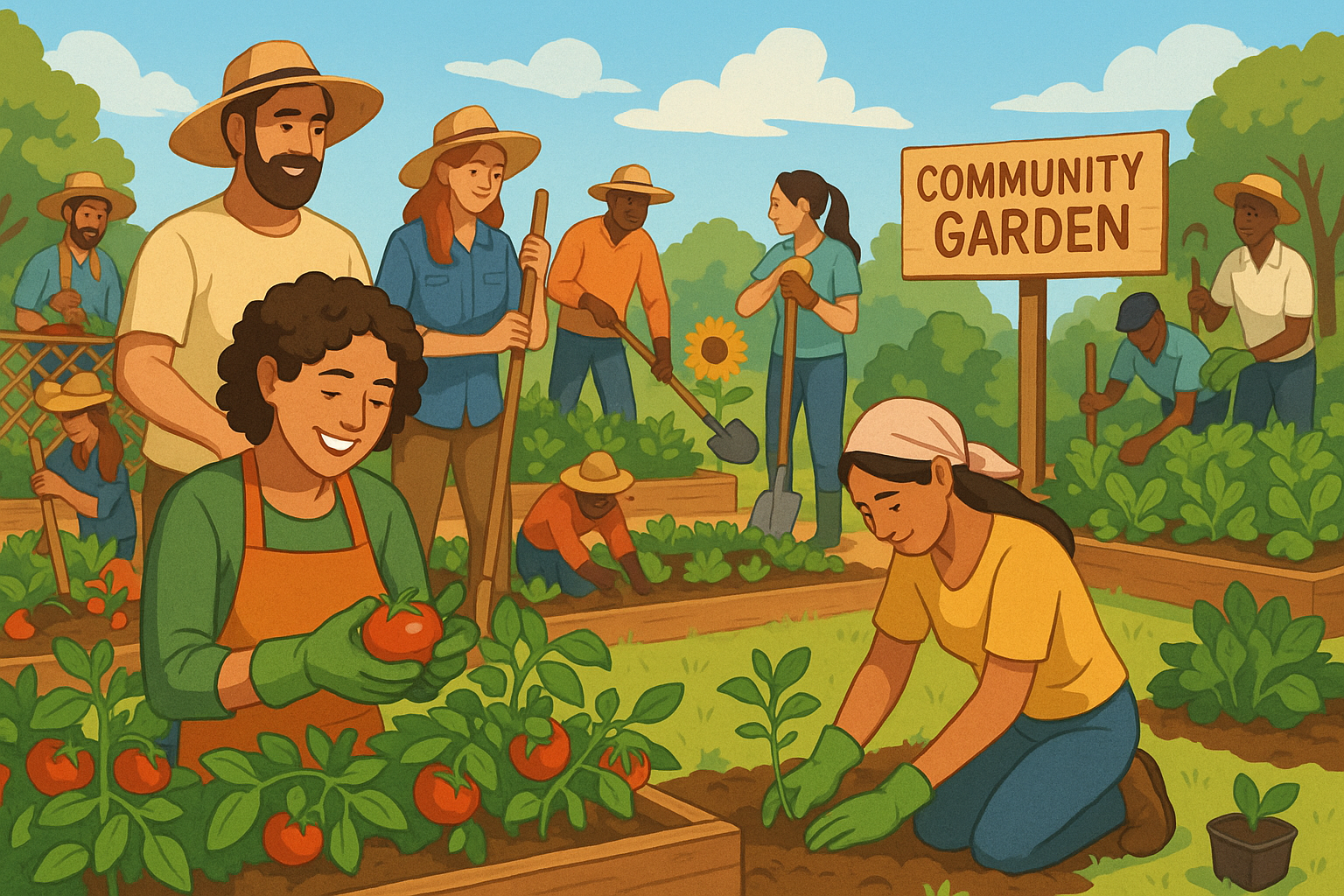
In urban landscapes, where concrete often rules and green spaces can feel scarce, community gardens stand as verdant beacons of hope and collaboration. These shared spaces not only offer a sanctuary for growing fresh produce; they also promote social cohesion, environmental awareness, and healthy living. This article will delve into the rich tapestry of community gardens, examining their history, benefits, and successes around the globe, while addressing common questions and concerns regarding their establishment and maintenance.
What is a Community Garden?
At its core, a community garden is a shared plot of land where individuals—often from a specific community—come together to grow fruits, vegetables, herbs, and flowers. These gardens can vary significantly in size, layout, and purpose. Some may be small urban plots managed by local residents, while others could be much larger and run by non-profit organizations, schools, or community groups.
Variations of Community Gardens
- Allotment Gardens: Individual plots leased to community members for personal use.
- Collective Gardens: Managed collectively by members who share in the harvest.
- Educational Gardens: Focus primarily on teaching gardening techniques and nutrition.
- Therapeutic Gardens: Designed for individuals with physical or mental challenges, offering therapeutic benefits.
- Pollinator Gardens: Spaces dedicated to supporting local biodiversity and attracting beneficial insects.
The History of Community Gardens
While the modern concept of community gardens gained traction in the 1970s and 1980s, the practice of cultivating land collectively can be traced back to ancient civilizations. Historically, during economic hardships, such as the Great Depression, many cities in the United States promoted “victory gardens” to encourage self-sufficiency. These gardens not only provided sustenance but also fostered camaraderie among neighbors.
As urbanization accelerated, the need for green spaces in cities became apparent. The 1970s saw a resurgence of interest in community gardens, influenced by movements focused on urban farming, sustainability, and food security. Today, these gardens are vital components of community infrastructure.
Benefits of Community Gardens
1. Social Connectedness
One of the most profound benefits of community gardens is their ability to bring people together. They create a sense of belonging and strengthen community ties.
- Building Relationships: Gardeners often form bonds with neighbors, sharing knowledge, resources, and harvests.
- Cultural Exchange: In diverse neighborhoods, community gardens serve as melting pots of cultures, where different gardening techniques and culinary traditions blend.
2. Educational Opportunities
Community gardens can serve as hands-on classrooms for all ages.
- Workshops and Training: Many gardens offer workshops on gardening, composting, and cooking classes, fostering life skills and environmental stewardship.
- School Partnerships: Collaboration with local schools allows students to learn about nutrition, biology, and sustainability in an interactive setting.
3. Environmental Benefits
Community gardens contribute positively to the environment in several ways.
- Biodiversity: These gardens can provide habitats for various species of wildlife, including pollinators like bees and butterflies, which play a crucial role in ecosystem health.
- Urban Cooling: Green spaces help cool urban areas, reducing the heat island effect common in cities.
- Soil Revitalization: Some community gardens implement regenerative practices, improving soil health and reducing the need for chemical fertilizers.
4. Food Security
Community gardens enhance food security by increasing access to fresh produce for urban residents.
- Local Produce: Growing fruits and vegetables locally means reduced reliance on store-bought goods, which may not always be fresh.
- Nutritional Awareness: Gardening encourages people to consume more fruits and vegetables, leading to healthier diets.
5. Mental and Physical Well-being
Gardening itself is a therapeutic activity.
- Physical Activity: Tending to a garden encourages physical exercise, which is essential for maintaining health.
- Mental Health: Engaging in gardening can reduce stress, anxiety, and depression. The process of nurturing plants provides a sense of purpose and accomplishment.
Key Success Factors for Community Gardens
Creating a successful community garden is a collaborative endeavor that involves multiple stakeholders. Here are vital factors that contribute to the success of these gardens:
Community Involvement
A thriving community garden needs active participation from local residents. Coordinate meetings to cultivate interest and gather input regarding design and layout. When residents feel invested in the project, they are more likely to take ownership and care for the garden.
Strong Leadership
Successful community gardens often have committed leaders or a core group who are passionate about gardening and community engagement. These individuals serve as coordinators, organizing meetings, events, and outreach efforts.
Sustainable Practices
Adopting sustainable gardening practices is crucial to long-term success. Implement organic gardening techniques, such as composting, companion planting, and permaculture principles, to maintain soil health and reduce environmental impact.
Partnerships
Forge partnerships with local organizations, schools, and governments to support the garden’s mission. Funding from grants, donations, or local businesses can provide necessary resources for tools, seeds, and infrastructure.
Accessibility and Inclusivity
Ensure the garden is accessible to all community members, including those with disabilities. Consider raised beds, pathways, and seating areas that accommodate various needs. Additionally, promote an inclusive environment where all cultures and backgrounds feel welcomed.
Questions and Answers About Community Gardens
Q: How do I start a community garden in my area?
A: Starting a community garden involves several steps:
- Identify interest: Gather neighbors to discuss the idea and assess interest.
- Form a planning group: Create a group of interested individuals to help organize and manage the project.
- Find a location: Look for available land—this could be a vacant lot, school yard, or park.
- Obtain permissions: Contact landowners (like local governments or schools) for permission to use the land.
- Develop a plan: Design the garden layout, including individual plots, communal areas, and resource needs.
- Fundraising: Seek out funds through grants, local business sponsorships, or community fundraisers.
- Plant and cultivate: Once everything is in place, begin planting and engaging the community in maintenance and events.
Q: What are the legal considerations for community gardens?
A: Legal considerations can be complex and may vary by location. It is essential to:
- Obtain land-use agreements: Secure a written agreement with the landowner outlining permissions and responsibilities.
- Check zoning laws: Understand local zoning regulations that may affect garden operations, such as allowable crops or structures.
- Consider liability: Discuss insurance options with local organizations to cover the garden from potential liabilities.
Q: How can a community garden fund itself?
A: Successful funding strategies may include:
- Membership Fees: Charge a nominal fee to members for plot rentals or participation.
- Grants and Donations: Seek out local or national grants aimed at promoting community gardens and sustainable practices.
- Fundraising Events: Organize events like plant sales, bake sales, or community dinners to raise funds.
- Sponsorships: Collaborate with local businesses for sponsorship opportunities in exchange for advertising.
Q: What if I lack gardening experience?
A: Lack of experience doesn’t need to be a barrier. Community gardens are often filled with novices and seasoned gardeners alike, fostering a spirit of collaboration and learning. Engaging in workshops, learning from experienced members, or utilizing online resources can help you build your gardening skills.
Q: What types of crops are best for community gardens?
A: It depends on the local climate, soil types, and community preferences. However, some generally suitable crops include:
- Vegetables: Tomatoes, peppers, leafy greens, and squash.
- Herbs: Basil, cilantro, and mint.
- Fruits: Strawberries, raspberries, and dwarf fruit trees.
Q: How can I ensure my community garden remains sustainable?
A: Focus on sustainable practices such as:
- Composting: Utilize compost to enrich garden soil naturally.
- Water conservation: Implement rainwater harvesting systems and promote drip irrigation techniques.
- Crop rotation: Engage in crop rotation to maintain soil health and reduce pest issues.
- Native plants: Incorporate native plants that are well-adapted to local conditions and support local wildlife.
Successful Community Garden Case Studies
1. The Incredible Edible Project: Todmorden, England
The Incredible Edible project began in 2008 in Todmorden, a small town in West Yorkshire. Residents collectively transformed communal spaces into productive gardens, allowing anyone to pick the fruits and vegetables without cost. This initiative has catalyzed community pride, fostered local economic growth, and provided a model for other towns worldwide.
2. GreenThumb: New York City, USA
GreenThumb is a program initiated by the NYC Department of Parks and Recreation that supports over 600 community gardens across New York City. The program provides gardening resources, grants, and training. These gardens, often located in underserved areas, serve as vital green spaces, fostering community engagement, education, and activism.
3. Community Gardens in Havana, Cuba
Amidst economic challenges, Cuban cities established urban gardens to combat food scarcity. These gardens turned rooftops and vacant lots into productive spaces, supplying food for families and neighborhoods. They exemplify resilience and self-sufficiency, and they have transformed urban agriculture into a necessity rather than a hobby.
Conclusion: A Garden for Everyone
Community gardens are not merely patches of green; they represent a movement towards reclaiming urban spaces, fostering connections, and promoting sustainable living. They generate food security, environmental positives, and social ties, proving that when communities come together, they can cultivate more than just plants—they cultivate hope, resilience, and a sense of belonging.
As more cities embrace the community garden movement, it is essential to recognize that every seed planted today is a testament to our shared commitment to nurturing our neighborhoods and our planet. Whether you’re a seasoned gardener or a curious novice, there’s a place for everyone in this fertile movement blossoming across the globe. So, why not get your hands dirty? Your community garden awaits!