
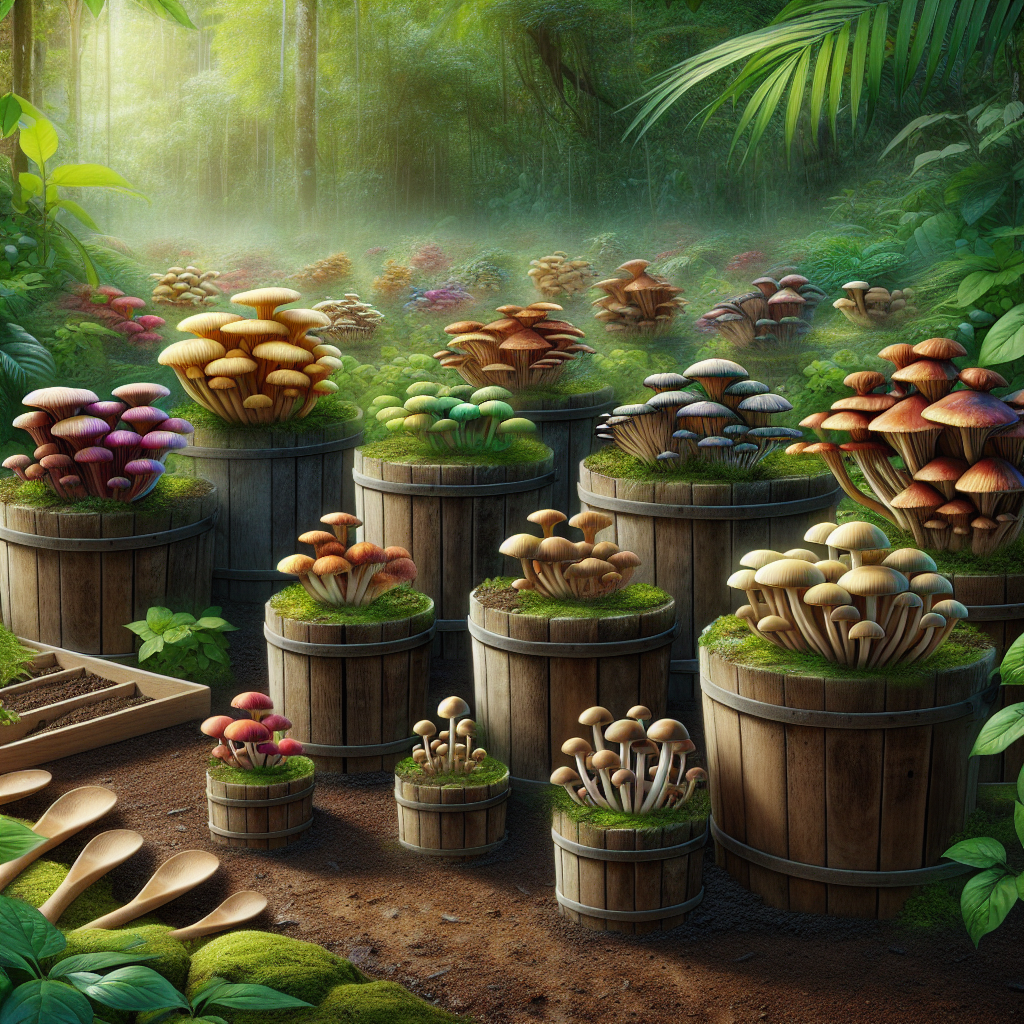
Growing mushrooms has become a rewarding hobby for many people, whether as a way to produce fresh food or as an exciting journey into the world of fungal biology. While many methods exist for cultivating mushrooms, one of the most accessible and productive techniques is growing them in buckets. This article will guide you through everything you need to know about this innovative cultivation method, from suitable mushroom varieties to step-by-step instructions for setting up your own bucket farm.
Why Grow Mushrooms?
Before we dive into the nuts and bolts of bucket cultivation, let’s first explore why one might consider growing mushrooms.
1. Nutritional Benefits
Mushrooms are a great source of vitamins, minerals, and antioxidants. Varieties like shiitake, oyster, and portobello are rich in B vitamins, selenium, and other essential nutrients contributing to a balanced diet.
2. Environmental Impact
Mushroom cultivation is relatively eco-friendly. Unlike conventional farming that often requires large swathes of land, growing mushrooms requires minimal space and can even utilize agricultural waste as a substrate. This sustainable practice offers an opportunity to reduce waste contribute to circular economies.
3. Cost-Efficiency
With a small initial investment in materials and supplies, growing your mushrooms can save you money in the long run. Given that fresh mushrooms can be pricey, especially organic varieties, cultivating them at home can significantly reduce your grocery bills.
4. A Fun and Educational Hobby
Mushroom cultivation can be both a relaxing activity and an educational journey. It often requires patience and experimentation, making it a perfect hobby for those looking to learn new skills.
What Mushrooms Can You Grow in Buckets?
Not all mushrooms are suited for bucket cultivation. However, there are several species known for thriving in this environment:
1. Oyster Mushrooms (Pleurotus ostreatus)
Oyster mushrooms are easy to grow and come in various colors, including white, yellow, and blue. They have a delicate flavor and can be used in several dishes.
2. Shiitake Mushrooms (Lentinula edodes)
Shiitake mushrooms are highly prized for their savory flavor. Though they are traditionally grown on logs, they can also thrive in a bucket setup, given the right conditions.
3. Lion’s Mane (Hericium erinaceus)
Known for its unique appearance and potential health benefits, Lion’s Mane is gaining popularity. It’s relatively easy to grow in buckets and has a delicious flavor reminiscent of seafood.
4. Button Mushrooms (Agaricus bisporus)
These are the familiar white mushrooms found in grocery stores. They do require a bit more attention regarding temperature and humidity but can still be grown successfully in buckets.
How to Get Started with Bucket Mushroom Cultivation
Now that we’ve covered the basics, let’s get into the nitty-gritty of setting up your mushroom-growing operation.
Step 1: Materials You Will Need
- Buckets: Choose food-grade plastic buckets with a lid (5 to 7 gallons is a common size).
- Substrate: This is the material you will use to grow your mushrooms. Common substrates include straw, coffee grounds, sawdust, or any suitable agricultural byproduct.
- Spawn: This is the mushroom ‘seed’ you will use to inoculate your substrate. You can buy mushroom spawn from reputable suppliers.
- Water: You’ll need water for hydration.
- Hygrometer: For monitoring humidity levels.
- Thermometer: To keep tabs on temperature.
- Drill: For creating holes in your buckets (if necessary).
- Plastic sheeting or bags: To cover the buckets for humidity retention.
Step 2: Preparing the Substrate
The substrate preparation process varies according to the mushroom variety you are growing. Here’s a general guide:
- Soaking: If you’re using straw, soak it in water for 12-24 hours to hydrate, then drain. For sawdust, a pasteurization process is usually required to eliminate competing fungi.
- Mixing: Combine your substrate with appropriate amounts of water. The ideal moisture content for most substrates is around 60-70%. The substrate should feel like a damp sponge when squeezed.
Step 3: Inoculating the Substrate
Once the substrate is prepared and cooled (if pasteurized), it’s time to inoculate it with mushroom spawn.
- Mixing: In a clean environment, mix the spawn evenly into the substrate to ensure that the mycelium spreads throughout.
- Filling the Buckets: Fill the prepared buckets with the inoculated substrate. Leave about an inch of space at the top.
- Sealing: Seal the buckets with their lids or cover them with plastic sheeting. Some growers drill holes for air exchange, especially if you’re using buckets with solid lids.
Step 4: Incubation Period
Mushrooms require a warm, dark space for mycelium to colonize. Aim for:
- Temperature: Maintain a temperature between 65°F to 75°F (18°C to 24°C) for most mushrooms.
- Humidity: A humidity level of around 85-95% is often required.
Monitoring these conditions is crucial for the success of your mushroom growth. After a few weeks, you should see the mycelium fully colonizing your substrate (appearing as white fuzz).
Step 5: Initiating Fruiting Conditions
After the incubation period ends, it’s time to expose your buckets to fruiting conditions:
- Light: Mushrooms need indirect light. Place your buckets in a location that receives some natural light but avoid direct sunlight.
- Fresh Air: It’s essential to introduce fresh air to the environment. If you’ve drilled holes, now is the time to open the lids slightly or remove the plastic sheeting.
- Humidity: Mist your mushrooms with water daily to keep humidity levels high, but ensure not to soak them.
Step 6: Harvesting Your Mushrooms
After a few days to a week, you’ll notice mushrooms beginning to sprout. Here’s how to determine when and how to harvest:
- Timing: Harvest mushrooms just as the caps begin to flatten out, but before they start to release spores.
- Method: Twist and pull the mushrooms gently from the substrate to avoid damaging the mycelium.
Step 7: Post-Harvest Care
Mushroom cultivation doesn’t stop at harvesting. You can often get multiple flushes of mushrooms from the same substrate.
- Rehydration: After harvesting, you can mist the substrate with water to promote a new flush.
- Reassessment: Monitor conditions to ensure that humidity and temperature remain optimal after each harvest.
Frequently Asked Questions
What is the best substrate for growing mushrooms in buckets?
The best substrate can vary depending on your chosen mushroom type. For oyster mushrooms, straw and coffee grounds work well, while shiitake mushrooms prefer sawdust or hardwood chips. Each substrate has its pros and cons, so feel free to experiment.
Can I use regular soil for mushroom cultivation in buckets?
No, regular soil is not suitable for mushroom cultivation. Mushrooms thrive on decomposed organic matter, whereas soil often has live microorganisms that can interfere with mushroom growth.
How often should I water my mushroom buckets?
Generally, you should mist your mushrooms daily, especially during the fruiting phase. However, avoid over-watering; the substrate should be moist but not soggy.
Do I need a special environment to grow mushrooms?
A climate-controlled space, like a basement or garage, can be ideal for consistent temperatures and humidity levels. However, mushrooms can also be grown in more diverse conditions as long as you can maintain appropriate factors like light, temperature, and humidity.
How long does it take to grow mushrooms from spores?
From inoculation to harvest, it can take 4 to 8 weeks depending on the mushroom type and environmental conditions. For instance, oyster mushrooms grow relatively quickly, while shiitake mushrooms might take longer.
Are there any health risks associated with growing mushrooms?
While most edible mushrooms are safe, wild mushrooms can be toxic. Always rely on known species and be cautious when foraging. In addition, practice cleanliness to prevent contamination during the growing process.
Tips for Successful Mushroom Cultivation
-
Keep Everything Clean: Sanitation is crucial. Make sure your buckets, tools, and hands are clean when preparing and handling the substrate.
-
Experiment with Varieties: Don’t hesitate to try new mushroom types. Every variety has unique flavors and uses in cooking.
-
Document Your Process: Keep records of your growth conditions and results. This can help you refine your processes over time.
-
Be Patient: Mushrooms are living organisms that follow their own timelines. Don’t rush the process; give them time to flourish.
-
Join a Community: Consider joining local or online mushroom-growing groups. Sharing experiences and advice can greatly enhance your success.
Conclusion
Growing mushrooms in buckets is not just a fun activity; it’s a project that connects you to nature, offers educational opportunities, and provides a sustainable source of food. With a little patience and care, you can cultivate a variety of delicious mushrooms right in your own home. While it may seem daunting at first, bucket cultivation is accessible for both newbies and experienced growers alike. So grab those buckets and embark on your fungal adventure today! Happy growing!