
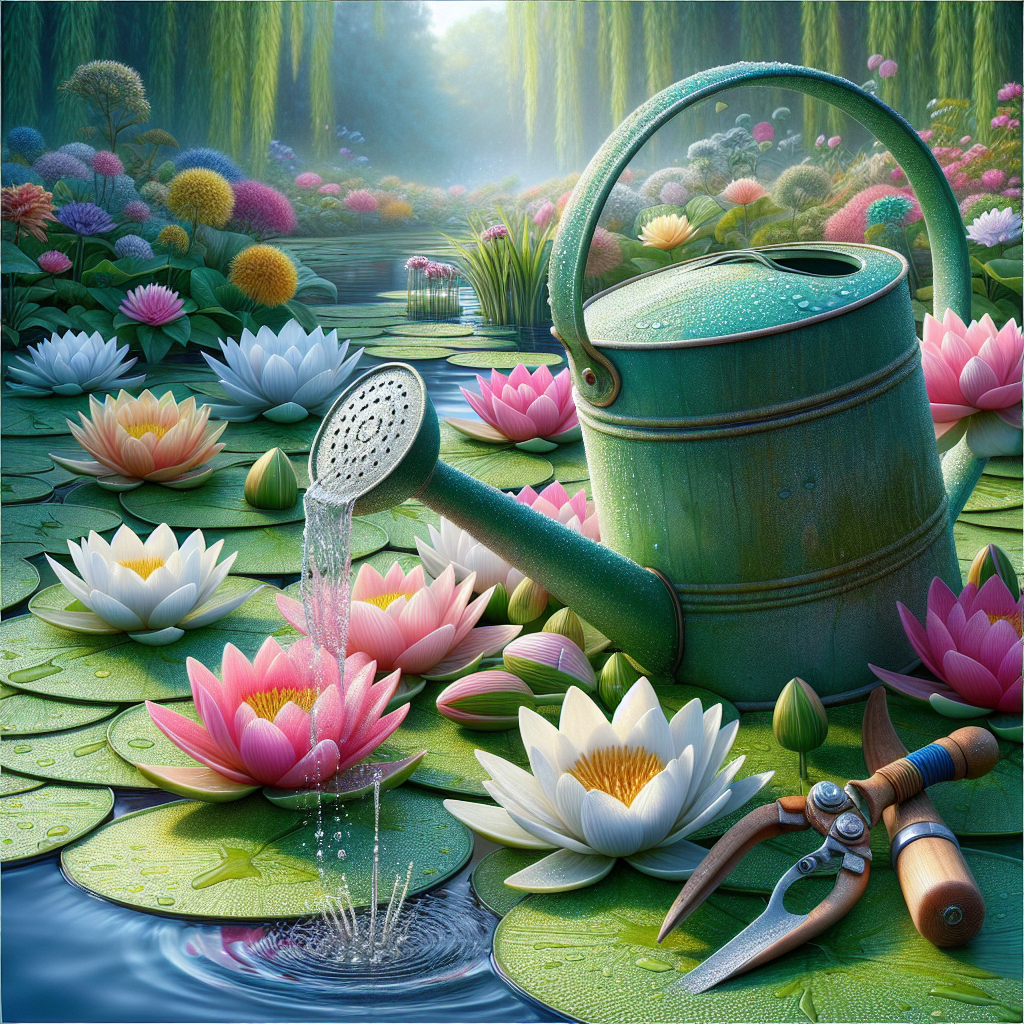
Water lilies are enchanting aquatic plants that have captivated gardeners and nature enthusiasts alike with their breathtaking blooms and lush foliage. Not only do these beautiful plants add elegance and serenity to ponds and water gardens, but they are also relatively easy to care for—provided you understand their unique watering needs. In this comprehensive guide, we will explore everything you need to know about how often to water lilies, along with practical tips, keen insights, and answers to frequently asked questions.
Understanding Water Lilies
A Brief Overview
Water lilies belong to the family Nymphaeaceae, and their stunning blossoms sit elegantly atop water surfaces. They are native to freshwater habitats and require a specific set of conditions to thrive. Water lilies are divided into two primary categories: hardy and tropical. Hardy water lilies can withstand cooler climates, while tropical varieties flourish in warmer temperatures.
Natural Habitat
In their natural habitat, water lilies grow in still or slow-moving freshwater environments, such as ponds and lakes. They have specialized root systems that allow them to anchor themselves in nutrient-rich sediment while spreading their leaves and flowers across the water’s surface. Understanding their natural environment helps us replicate those conditions to care for them effectively.
The Importance of Watering
When it comes to gardening, watering is one of the most crucial aspects of plant care—especially for water lilies. However, given that they live in water, the way we think about “watering” these plants is quite different compared to terrestrial plants.
Why Isn’t Over-Watering a Concern?
One common misconception is that water lilies require frequent watering like terrestrial plants do. In truth, they are aquatic plants that draw all their moisture directly from the water. Therefore, the main focus should be on maintaining a healthy water level in the pond or water feature where they are grown.
How Often Should You Water Lilies?
General Guidelines
-
Maintain Water Levels: The most critical factor for water lilies is ensuring that they are always submerged to the appropriate depth. Hardy water lilies typically need about 6-12 inches of water above their crowns (the point where the leaves and flowers emerge). Tropical lilies often thrive in slightly deeper water.
-
Seasonal Considerations: Water lilies need consistent moisture during their growing season, which generally spans from late spring to early fall. In winter, many hardy varieties go dormant and require less water; you may not need to actively water them at all during this period.
-
Temperature and Weather Influence: Hot, dry weather can lead to evaporation, requiring you to check water levels frequently. In particularly arid conditions, you may need to add water weekly to maintain optimal growing conditions.
-
Fertilizer Considerations: When adding fertilizers, be cautious about the concentration and volume, as excessive nutrients can affect water quality and potentially harm the plants.
A Weekly Checklist
-
Check Water Levels: Ensure that the water level is adequate. If you notice the water has dropped below the recommended level, add distilled water to avoid introducing harmful chemicals present in tap water.
-
Monitor Water Quality: Test the pH and nutrient levels. Ideally, you want a pH level between 6.5 and 7.5 for optimum growth. If the water is too acidic or alkaline, consider treating it.
-
Observe Plant Health: Regularly check the leaves and flowers for signs of pests or diseases. Brown edges or wilting could be indicators of stress caused by insufficient water or other environmental factors.
Specialized Watering Methods
Making Use of Automatic Systems
In large ponds, maintaining water levels can become laborious. Automated irrigation systems can help. These systems can be set up to refill water levels when they dip below a specified threshold, ensuring that your lilies always have access to the moisture they require.
Rainwater Harvesting
Using rain barrels to gather rainwater can provide your water lilies with a natural and chemical-free source of water. Rainwater generally has a suitable pH and is free from the chlorine and other chemicals often found in municipal water.
FAQs About Watering Water Lilies
1. Can I use tap water for my lilies?
Answer: While you can use tap water, it’s essential to let it sit for 24 hours to allow chlorine to evaporate. Chlorinated water can harm your lilies. Using rainwater or distilled water is usually the best option.
2. Should I cover my pond in winter?
Answer: In winter, you’ll want to protect hardy water lilies by allowing them to go dormant. Covering the pond can help insulate the water and keep temperatures stable. Make sure they are submerged at the appropriate depth to prevent freezing.
3. What happens if I overwater lilies?
Answer: Overwatering is generally not a concern since they live in water. However, if your pond is too shallow or has poor water circulation, stagnant conditions can lead to algae growth and affect the health of your lilies.
4. How do I know if my lilies are getting enough water?
Answer: Healthy water lilies grow vigorously with large leaves and abundant flowers. If you notice yellowing leaves or stunted growth, check the water levels and quality.
5. How do I propagate my water lilies?
Answer: Propagation is usually done through division. In the spring, gently lift the tuber, making sure to leave some roots attached, and separate the sections. Replant them in nutrient-rich soil and immerse them in water.
6. Can I grow water lilies in containers?
Answer: Yes! Growing water lilies in containers is an excellent way to enjoy their beauty, especially if you don’t have a pond. Make sure to use aquatic soil and keep the container submerged at the right depth.
Best Practices for Water Lilies Care
Nutrient Management
Nutrient balance is critical for healthy growth. Excess nutrients can lead to algae blooms that can suffocate water lilies. To manage nutrient levels effectively:
- Use slow-release fertilizers designed for aquatic plants.
- Avoid using fertilizers with high phosphorus content, which can harm water quality and promote unwanted plant growth.
Dealing with Pests
Water lilies can attract pests like aphids and spider mites. Regularly inspect your plants and, if necessary, remove pests manually or use organic pest control methods.
-
Encourage Beneficial Insects: Ladybugs and predatory beetles can keep pest populations in check.
-
Natural Repellents: Neem oil or insecticidal soap can be used sparingly if the infestation is severe.
Seasonal Care
Water lilies require different care throughout the year:
- Spring: As temperatures rise, check water levels and begin fertilizing.
- Summer: Monitor frequently for water evaporation, pests, and algae. Consider pruning dead or yellowing leaves.
- Fall: Gradually reduce feeding and prepare lilies for dormancy.
- Winter: Hardy varieties can be left submerged, but be sure to monitor the water level and protect against freezing.
Conclusion
Water lilies are resilient yet delicate beauties that can transform any water feature into a breathtaking oasis. Understanding their watering needs is crucial to their overall health and vitality. By maintaining proper water levels, ensuring minimal disturbance to the local ecosystem, and employing seasonal care strategies, you can cultivate a thriving environment for these magnificent plants.
With the right knowledge and care, the rewarding experience of watching your water lilies blossom can be as fulfilling as the beauty they bring into your life. Happy gardening, and may your water lilies flourish like the serene waters they inhabit!