
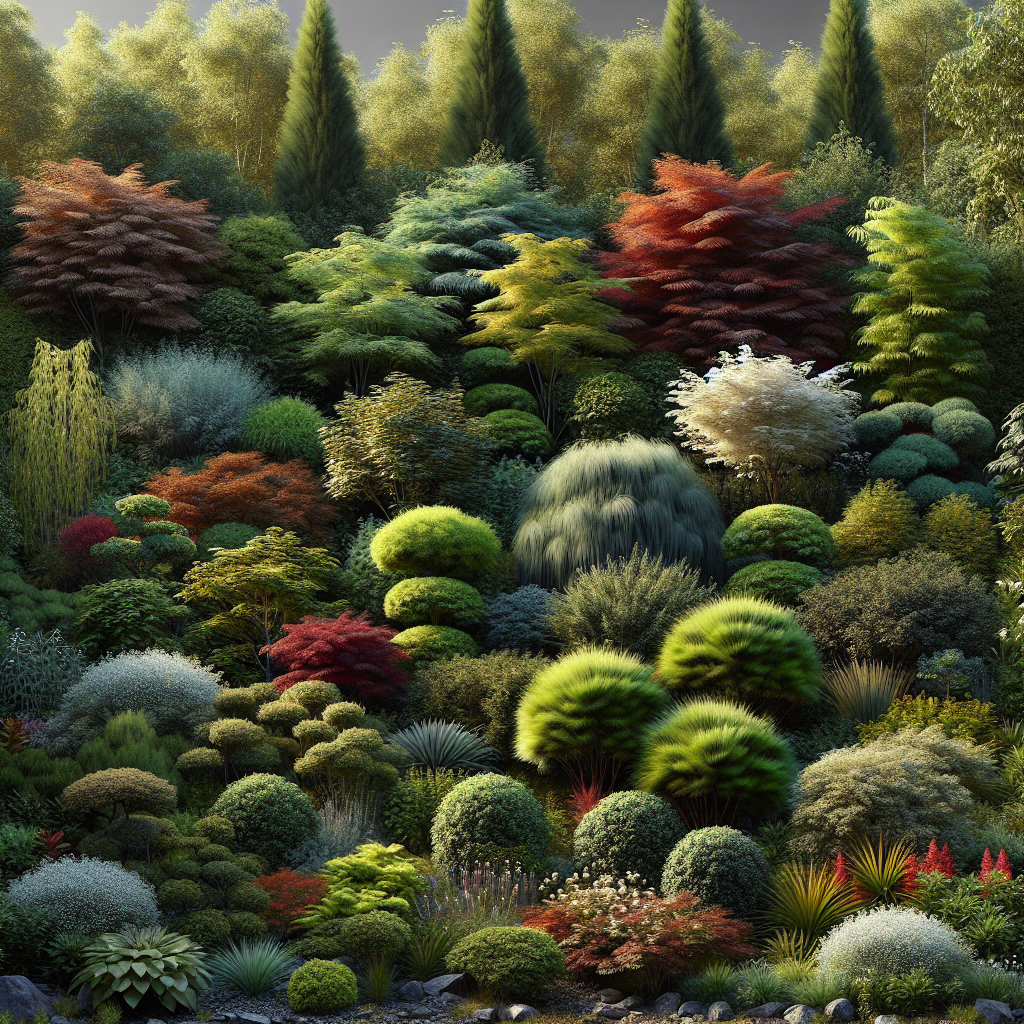
Gardening is not just about planting flowers and vegetables; it’s an art form. With the right combination of garden shrubs and dwarf trees, even the smallest outdoor space can transform into a tranquil sanctuary or a vibrant living area. In this comprehensive guide, we will explore various design ideas, tips, and frequently asked questions to help you create your dream garden using shrubs and dwarf trees.
Understanding the Basics: What Are Shrubs and Dwarf Trees?
Shrubs
Shrubs are woody plants that typically have multiple stems, reaching heights between 2 to 20 feet. They are valuable in landscaping for numerous reasons:
- Versatility: Shrubs can be used as hedge plants, borders, or standalone specimens.
- Year-Round Interest: Many shrubs offer seasonal interest, such as flowering in spring or fall foliage color.
- Wildlife Habitat: Shrubs provide food and shelter for various birds and beneficial insects.
Some popular shrubs include boxwood, hydrangea, and rose bushes.
Dwarf Trees
Dwarf trees are miniature versions of standard trees that generally grow to a maximum height of 6 to 10 feet. These trees are ideal for smaller yards or container gardening. Common types include:
- Japanese Maple: Known for its stunning colors and foliage.
- Miniature Arborvitae: Often used as privacy screens.
- Dwarf Fruit Trees: Such as apple or cherry, which can be grown in limited spaces.
Design Ideas for Garden Shrubs and Dwarf Trees
Creating a visually appealing garden requires careful planning and design. Here are some ideas to inspire you:
1. Layering and Focal Points
One effective way to enhance your garden is through layering. Start by planting taller shrubs and dwarf trees toward the back of your garden bed and gradually add shorter plants in front. This creates depth and draws the eye into the garden.
For Example:
- Use tall, upright shrubs such as boxwood or viburnum in the background.
- Add mid-sized shrubs like spirea in the middle layer.
- Place low-growing flowering plants or dwarf ground covers like sedum at the front for a vibrant touch.
2. Creating a Theme
Choosing a theme can give your garden a cohesive look. Some popular themes include:
- Cottage Garden: Incorporate flowering shrubs like lilac and hydrangeas along with whimsical dwarf trees like Dwarf Korean Lilac.
- Zen Garden: Use minimalist designs with carefully pruned dwarf trees like Japanese Maples alongside evergreen dwarf shrubs such as dwarf boxwood for an elegant, serene atmosphere.
- Tropical Oasis: Combine exotic shrubs like tropical hibiscus with small palm trees or various types of dwarf fruit trees.
3. Seasonal Interest
Think about how your garden will look throughout the seasons. Planting evergreen shrubs alongside flowering varieties can provide color and texture year-round.
For Example:
- In spring, frame your dwarf apple tree with forsythia and azalea shrubs for delightful blooms.
- In fall, mix in sumac or maple shrub for stunning foliage that offers a spectacular display as the leaves change color.
4. Drought-Resistant Gardens
With climate considerations at the forefront, incorporating drought-resistant plants is not just eco-friendly but also low-maintenance.
Suggested Plants:
- Dwarf Butterfly Bush: Not only drought-tolerant, but also attracts pollinators.
- Creeping Thyme: A ground cover that thrives in sunny spots and forms a lush carpet.
- Juniper Shrubs: Perfect for rocky or sandy soils and providing texture without demanding much water.
5. Borderline Beauties
Using shrubs to create boundaries or edging can define different sections of your garden. Dwarf trees can serve as living sculptures within these areas.
Execution:
- Plant a row of dwarf privet or barberry as a low-height hedge.
- Position a few dwarf conifers at the corners for year-round structure.
6. Container Gardens
If you’re short on space or live in an apartment, consider using pots to grow dwarf trees or shrubs. Containers add vertical interest and versatility.
Ideas For Containers:
- Choose Japanese Maples that thrive in pots with proper care.
- Pair dwarf lilac with annual flowers in mixed planters for colorful displays.
Frequently Asked Questions (FAQs)
Q1: What shrubs are best for small gardens?
A: Small gardens benefit from compact, slow-growing shrubs like dwarf boxwood, spring blooming dwarf azalea, and lower-growing junipers. These plants provide ample beauty without overwhelming the space.
Q2: How do I choose the right dwarf trees for my garden?
A: Consider the following factors:
- Climate: Choose trees that are suited to your hardiness zone.
- Soil Conditions: Test the drainage and acidity levels of your soil.
- Functionality: Decide whether you want shade, aesthetic appeal, or fruit-producing trees.
Q3: Are there specific planting techniques for shrubs and dwarf trees?
A: Yes, follow these steps:
- Spacing: Ensure enough distance between plants for air circulation.
- Soil Preparation: Enrich the soil with compost before planting.
- Watering: Water thoroughly after planting, establishing a consistent watering routine, especially during dry seasons.
Q4: What are some common issues when growing shrubs and dwarf trees?
A: Common issues include:
- Pests and Diseases: Aphids, scale, or leaf spot can affect health. Regular monitoring and treatment may be necessary.
- Overwatering: Shrubs often suffer from root rot; proper drainage is crucial.
Q5: How do I maintain my garden shrubs and dwarf trees?
A: Regular maintenance is vital for a thriving garden:
- Pruning: Focus on removing dead or diseased wood and shaping plants to maintain their desired size.
- Fertilization: Apply an appropriate fertilizer during the growing season for healthy growth.
- Mulching: Mulch can help retain moisture, suppress weeds, and regulate soil temperature.
Q6: Can I incorporate shrubs and dwarf trees in a small patio or balcony?
A: Absolutely! Using container gardening allows you to include these plants in any space. Choose dwarf varieties suited for pots and create a lush green oasis even in confined areas.
Conclusion: The Endless Possibilities
Designing with garden shrubs and dwarf trees opens a world of possibilities for your outdoor space. By considering aspects including layering, themes, seasonal changes, and maintenance, you can create a harmonious environment that reflects your personal style. Whether you’re planting a small garden, a sprawling estate, or even managing a modest patio, using shrubbery and dwarf trees effectively can turn your outdoor experience into a personal paradise.
Embrace the beauty and diversity of your garden. Invest time to research and design with care, and soon you’ll enjoy a breathtaking landscape that provides joy and peace throughout the seasons. The result? A floral symphony that nourishes the body, mind, and soul. Start your journey today, and let the harmony of nature’s elements sing in your garden space!