
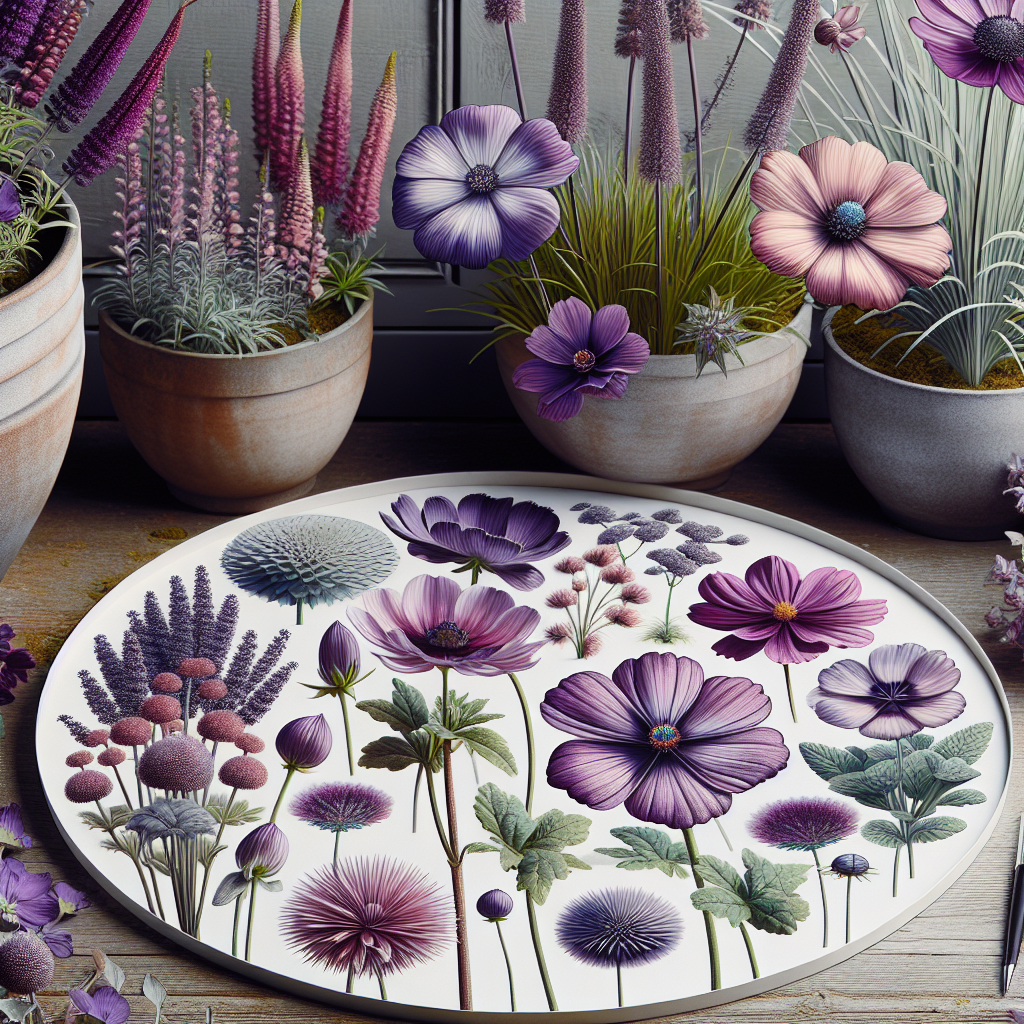
Drought-tolerant purple flowers are more than just a stunning addition to gardens; they represent resilience and the ability to flourish in less-than-ideal conditions. In a time when water conservation is becoming increasingly critical, understanding the role, care, and benefits of these gorgeous plants is crucial for gardeners, landscapers, and eco-conscious individuals alike. This article will explore various aspects of drought-tolerant purple flowers, including their characteristics, benefits, and how you can successfully cultivate them.
What are Drought-Tolerant Purple Flowers?
Definition and Characteristics
Drought-tolerant plants, also known as xerophytes, are species adapted to surmount water scarcity. These plants possess specialized features that allow them to conserve water, such as deep roots, thick leaves, and a waxy coating. Purple flowers, in particular, not only provide a splash of color but also attract beneficial pollinators.
Popular Varieties of Drought-Tolerant Purple Flowers
-
Lavender (Lavandula spp.)
- Description: Known for its aromatic properties, lavender comes in various shades from deep violet to light lavender.
- Growing Conditions: Prefers well-drained soil and full sun.
-
Russian Sage (Perovskia atriplicifolia)
- Description: A tall perennial with aromatic foliage and small purple flowers. It resembles sage but is not botanically related.
- Growing Conditions: Thrives in dry, poor soil and full sun.
-
Purple Coneflower (Echinacea purpurea)
- Description: This perennial features a distinctive cone-shaped center surrounded by drooping purple petals.
- Growing Conditions: Grows best in average, well-drained soil with plenty of sunlight.
-
Aubrieta (Aubrieta deltoidea)
- Description: A low-growing ground cover that blooms profusely in early spring with bright purple flowers.
- Growing Conditions: Adapts well to poor soils and full sun.
-
Salvia (Salvia spp.)
- Description: A large genus that includes many drought-tolerant species, such as Salvia nemorosa, which is known for its vibrant violet blooms.
- Growing Conditions: Prefers well-draining soil and thrives in full sun.
-
Catmint (Nepeta spp.)
- Description: This hardy perennial has aromatic leaves and produces spikes of lavender-blue flowers.
- Growing Conditions: Does well in poor soil and full sun.
Why Choose Drought-Tolerant Flowers?
1. Water Conservation
As urban areas expand and climates change, water shortages are becoming increasingly common. Drought-tolerant plants require minimal watering, which conserves precious water resources. This makes them an eco-friendly option for gardens, parks, and other landscaping needs.
2. Low Maintenance
One of the key advantages of drought-tolerant purple flowers is their low maintenance requirements. Once established, these plants typically need little to no watering, minimal fertilization, and are less sensitive to pests and diseases.
3. Biodiversity and Ecosystem Support
Drought-tolerant plants, particularly those that attract pollinators, play an essential role in maintaining biodiversity. They provide food and habitat for butterflies, bees, and other beneficial insects.
4. Aesthetic Appeal
With their vibrant colors and unique forms, drought-tolerant purple flowers can be visually stunning. They can be used to create beautiful landscapes that also support ecological health.
5. Cost-Effectiveness
Landscaping with drought-tolerant flowers can lead to cost savings in both water bills and maintenance requirements, offering an economic advantage to homeowners and businesses.
How to Cultivate Drought-Tolerant Purple Flowers
Q: What are the Best Conditions for Planting?
The best conditions for growing drought-tolerant purple flowers typically include:
- Soil: Well-draining soil is critical. Incorporate sand or gravel if your native soil is heavy and clay-like.
- Sunlight: Most drought-tolerant flowers prefer full sun (at least 6 hours of direct sunlight).
- Spacing: When planting, allow adequate space between flowers to improve air circulation and reduce disease risk.
Q: How Do I Prepare the Soil?
- Soil Testing: Conduct a soil test to determine pH and nutrient levels. Amend the soil if necessary.
- Tilling: Loosen the top 12-15 inches of soil. Aerated soil promotes better root growth.
- Amendments: Should your soil be heavy in clay, consider adding organic matter like compost to improve drainage.
Q: When is the Best Time to Plant?
Spring is generally the best time to plant drought-tolerant flowers, as the warmed soil will encourage growth. Fall planting is also an excellent option in climates where winters are mild, allowing the plants to establish roots before the heat of summer.
Q: How Often Should I Water?
While these plants are drought-tolerant, proper establishment is essential. For the first year, water your flowers deeply once a week. After roots are established, reduce watering to only during prolonged dry spells.
Q: Fertilization Practices
Drought-tolerant plants often thrive better with minimal fertilization. If your soil is poor, consider a slow-release, balanced fertilizer at the start of the growing season. Over-fertilizing can lead to excessive foliage growth at the expense of flowers.
Companion Planting: A Natural Approach
Q: What Plants Pair Well with Drought-Tolerant Purple Flowers?
Companion planting can enhance the beauty and functionality of your garden. Here are some plants that pair well:
- Sedum: These succulent perennials thrive in similar conditions and can fill in gaps.
- Sage (Salvia officinalis): Provides culinary benefits and pairs well aesthetically.
- Yarrow (Achillea millefolium): Attracts pollinators and works well with drought-tolerant themes.
- Blanket Flower (Gaillardia): Offers vibrant color and complements purple flowers beautifully.
Drought-Tolerant Gardens: Creating a Stunning Landscape
Q: How Can I Design a Drought-Tolerant Garden?
-
Choose a Theme: Decide the look you want. A formal garden or a more natural landscape can dictate your plant selection.
-
Layering: Utilize taller plants in the back and shorter plants in front to create dimension.
-
Pathways: Incorporate non-plant elements, such as pathways made from gravel, stone, or mulch to add structure.
-
Grouping: Groups of the same plant can create a striking visual impact and enhance pollinator attraction.
Q: How Can I Care for My Drought-Tolerant Garden?
- Mulching: Apply a layer of mulch around plants to retain moisture and suppress weeds.
- Deadheading: Regularly deadhead spent flowers to encourage prolonged blooming and maintain plant health.
- Pruning: Light pruning in late winter will promote healthier plants as the growing season starts.
The Role of Pollinators
Q: Why Are Drought-Tolerant Purple Flowers Essential for Pollinators?
Drought-tolerant purple flowers serve as excellent sources of nectar and pollen for bees, butterflies, and other pollinators. As natural habitats decrease, providing these food sources becomes vital for their survival.
Q: How Can I Attract More Pollinators to My Garden?
-
Diverse Plant Selection: Choose a variety of plants that bloom throughout the seasons to provide a continuous food source.
-
Avoid Pesticides: Pesticides can be harmful to pollinators. Utilize natural pest control methods whenever possible.
-
Water Sources: Providing water features can attract not only pollinators but other beneficial insects and birds.
Troubleshooting Common Issues
Q: What Are Common Challenges I May Face?
-
Overwatering: One of the primary issues is overwatering during establishment. Ensure well-draining soil to avoid root rot.
-
Pest Infestations: Keeping an eye on plant health is essential; introduce natural predators like ladybugs to manage aphids.
-
Soil Compaction: Heavy foot traffic can compact soil, leading to poor drainage. Use stepping stones or mulch paths to limit soil compression.
-
Weeds: Regularly checking for and removing invasive weeds can help your drought-tolerant garden thrive.
Conclusion: Embracing Drought-Tolerant Purple Flowers
Drought-tolerant purple flowers are not just beautiful; they represent a vital step toward sustainable gardening practices. By understanding their unique needs and benefits, you can create diverse, aesthetic landscapes that conserve water while supporting essential biodiversity. With careful planning, cultivation, and the right companions, a stunning drought-tolerant garden filled with purple flowers can become an enduring symbol of resilience, beauty, and sustainability.
The future of ecological gardening relies on making informed choices, and selecting drought-tolerant plants is a step in the right direction. Through mindful planting and landscaping, not only can we create visually stunning spaces, but we can also contribute positively to the environment. Whether you are an experienced gardener or a novice, incorporating these enchanting purple blooms into your landscape will yield both immediate satisfaction and long-term benefits for the earth.