
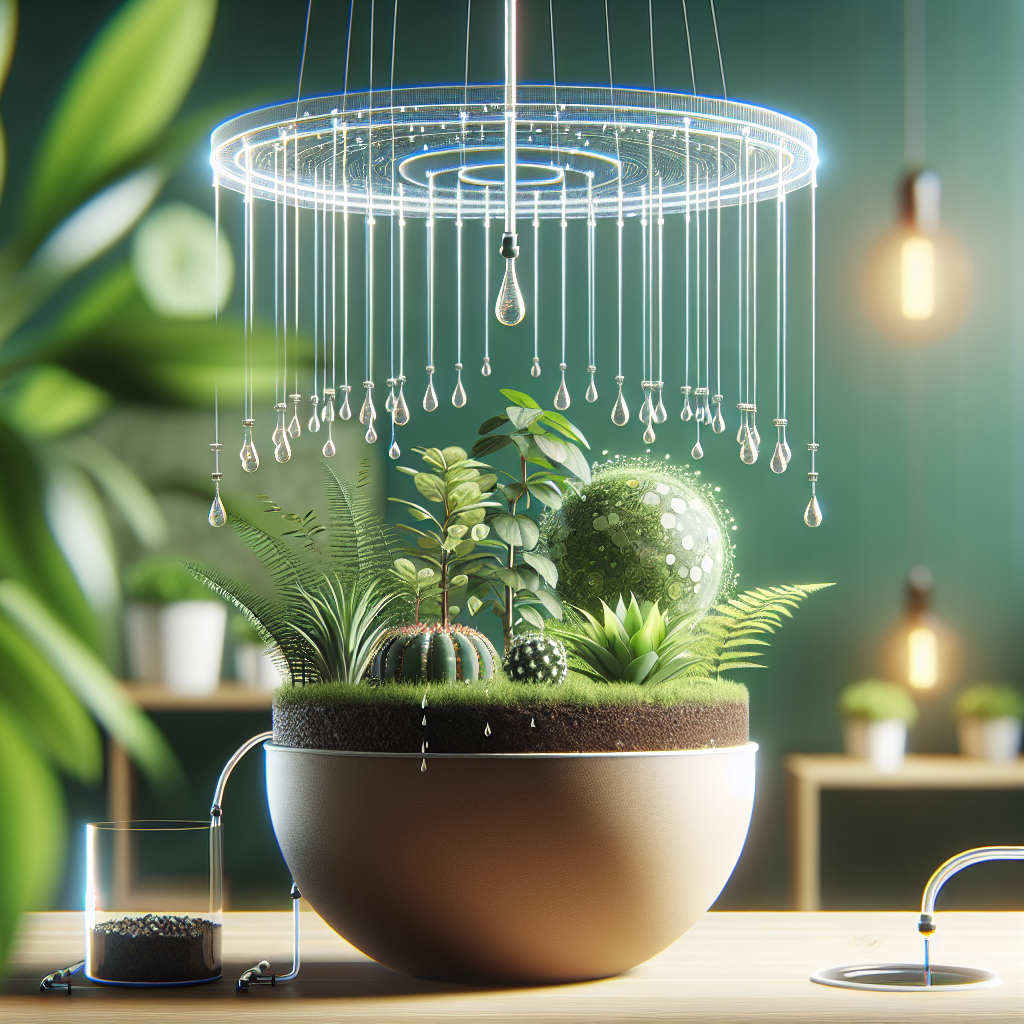
In a world where urbanization has pushed nature to the peripheries and busy lifestyles often leave little room for nurturing indoor plants, the advent of modern irrigation techniques has brought hope to plant enthusiasts everywhere. One such technique, drip irrigation, has gained significant ground for its efficiency and effectiveness. This article delves deep into the nuances of drip irrigation for indoor plants, answering your most frequently asked questions and providing a comprehensive understanding of how this method can transform your indoor gardening experience.
What is Drip Irrigation?
Drip irrigation is an efficient watering technique that delivers water directly to the root zone of plants through a network of tubes, valves, and emitters. Unlike traditional watering methods that often lead to water runoff or evaporation, drip irrigation minimizes water wastage and maximizes absorption. The result is a healthier plant ecosystem with less effort from the gardener.
Why is Drip Irrigation Effective?
-
Precision Watering: Drip irrigation targets the root zone, ensuring that plants receive the moisture they need without wetting the foliage. This precision reduces the risk of fungal diseases that thrive in damp conditions.
-
Water Conservation: One of the most significant advantages of drip irrigation is its efficiency. It can use up to 50% less water than conventional watering methods, making it an eco-friendly option.
-
Reduced Labor: For busy indoor gardeners, automation is a key benefit. Once set up, drip irrigation systems can be programmed to deliver water at specific times, reducing the need for manual watering.
-
Improved Plant Health: Consistent and precise watering helps maintain optimal soil moisture levels, which is vital for root development and nutrient absorption. This contributes to healthier plants that are more resilient to pests and diseases.
Frequently Asked Questions About Drip Irrigation for Indoor Plants
1. How Do I Set Up a Drip Irrigation System for My Indoor Plants?
Setting up a drip irrigation system for indoor plants may seem daunting, but it can be quite straightforward. Here’s a step-by-step guide:
Step 1: Evaluate Your Space
Identify the locations of your indoor plants and the distance between them. Take note of how many plants you wish to water simultaneously.
Step 2: Gather Your Materials
You will need:
- Drip tubing or PVC pipes
- Emitters (drippers)
- Connectors and stakes
- A timer (optional for automation)
- A water source (tap or reservoir)
Step 3: Layout Design
Plan your layout. Use a simple diagram to map out where the tubes will run and how they will connect to each pot.
Step 4: Install the Tubing
Run the main supply tubing from the water source to the plant pots. Use connectors to branch off tubing to individual pots as needed.
Step 5: Attach Emitters
Place emitters in the ground near the root zone of each plant. The emitter’s flow rate will depend on the moisture needs of your plants.
Step 6: Test the System
After everything is connected, turn on the water and observe the flow. Ensure that each emitter delivers water evenly to its designated plant.
Step 7: Set Up Automation
If you choose to use a timer, set it according to the needs of your plants (usually early morning or late afternoon is the best time).
2. What Type of Plants Benefit Most from Drip Irrigation?
Drip irrigation systems are suitable for virtually any type of indoor plant. However, they are especially beneficial for:
-
Tropical Plants: These plants thrive in consistently moist conditions but can suffer from waterlogged roots.
-
Succulents and Cacti: Drip irrigation helps control moisture levels to prevent over-watering, which is key for these plants.
-
Herbs and Vegetables: If you are growing herbs or small vegetables indoors, drip irrigation can provide the precise moisture levels needed to promote healthy growth.
3. Can I Use Drip Irrigation in My Existing Indoor Planters?
Absolutely! Drip irrigation can be retrofitted into existing indoor planters. The flexibility of tubing allows for easy installation, and emitter placement can be adjusted based on your plant’s size and water requirements. Just ensure that the emitters are placed correctly to avoid water logging in any pot.
4. How Often Should I Water My Plants Using Drip Irrigation?
The frequency of watering will depend on various factors, including:
-
Plant Type: Different plants have varying moisture requirements. For example, succulents and cacti will require less frequent watering than tropical plants.
-
Pot Size: Smaller pots dry out quicker and may need more frequent watering compared to larger ones.
-
Humidity and Temperature: Hot, dry conditions may necessitate more frequent watering than cooler or more humid environments.
Generally, a good rule of thumb is to check the moisture level of the soil before watering. Many gardeners recommend watering once or twice a week for most indoor plants, but this can be adjusted based on conditions.
5. What Maintenance is Required for Drip Irrigation Systems?
Drip irrigation systems are relatively low-maintenance; however, a few routines can keep them functioning effectively:
-
Check for Clogs: Regularly inspect emitters for any blockages, particularly if you are using fertilizers or water with high mineral content. Use a pin to clear clogs if necessary.
-
Seasonal Adjustments: During different growth phases or seasonal changes, you may need to adjust your timer settings to cater to the changing water needs of your plants.
-
Winter Care: If your indoor plants are not exposed to natural frost, the system can generally stay in place. However, should the system be located in an unheated space, consider removing or winterizing the system to prevent damage.
6. Are There Any Downsides to Using Drip Irrigation?
While drip irrigation has many advantages, it also comes with a few potential downsides:
-
Initial Setup Cost: The preliminary investment in tubing, emitters, and possibly a timer can be higher than simple watering can or hose methods.
-
Complex Troubleshooting: If the system fails, diagnosing issues such as clogs or leaks can require time and effort.
-
Dependency on the System: Relying solely on automated systems might lead to neglect in other care aspects (like pruning or pest management).
7. Can I Use Fertilizers with Drip Irrigation?
Yes, using liquid fertilizers can be quite effective with drip irrigation systems. Many growers opt for a method called “fertigation,” where fertilizers are mixed with water and delivered directly to the plants’ root zones.
Caution: Make sure that the fertilizer is soluble and designed for use in drip systems. Additionally, consider flushing the system periodically to remove any buildup of minerals.
8. What is the Best Drip Irrigation System for Indoor Use?
While many variations exist, a simple Pressure Compensating Dripper or a Micro Drip System is often the best choice for indoor gardens. These systems provide consistent flow rates regardless of pressure changes. It’s advisable to invest in a quality system with adjustable emitters, which will allow customization according to each plant’s needs.
9. Is Drip Irrigation Suitable for Hydroponics?
Yes, drip irrigation systems can be adapted for hydroponic gardening! Implementing this system can ensure that plants receive a consistent supply of nutrient-rich water. However, the setup might require some additional considerations, such as incorporating a reservoir for the nutrient solution and ensuring your emitters are designed for such applications.
The Joy of Indoor Gardening with Drip Irrigation
Drip irrigation can truly revolutionize how you care for your indoor plants. The combination of efficiency, precision, and ease of use allows you to grow healthier plants with less water waste. Not only will your plants thrive, but you will enjoy reduced time spent managing watering routines.
Conclusion
As urban life continues to encroach on natural green spaces, taking care of indoor plants can become a cherished hobby and an essential source of tranquility. Drip irrigation systems offer an innovative solution to keeping your indoor garden flourishing while conserving resources and minimizing labor. Whether you are a new plant parent or a seasoned gardener, investing in a drip irrigation system can provide the best of both worlds: lush, vibrant indoor flora combined with efficient, hassle-free care.
In summary, embracing drip irrigation enables you to cultivate a thriving indoor garden that suits your lifestyle. So why wait? Start now—your plants are waiting!