
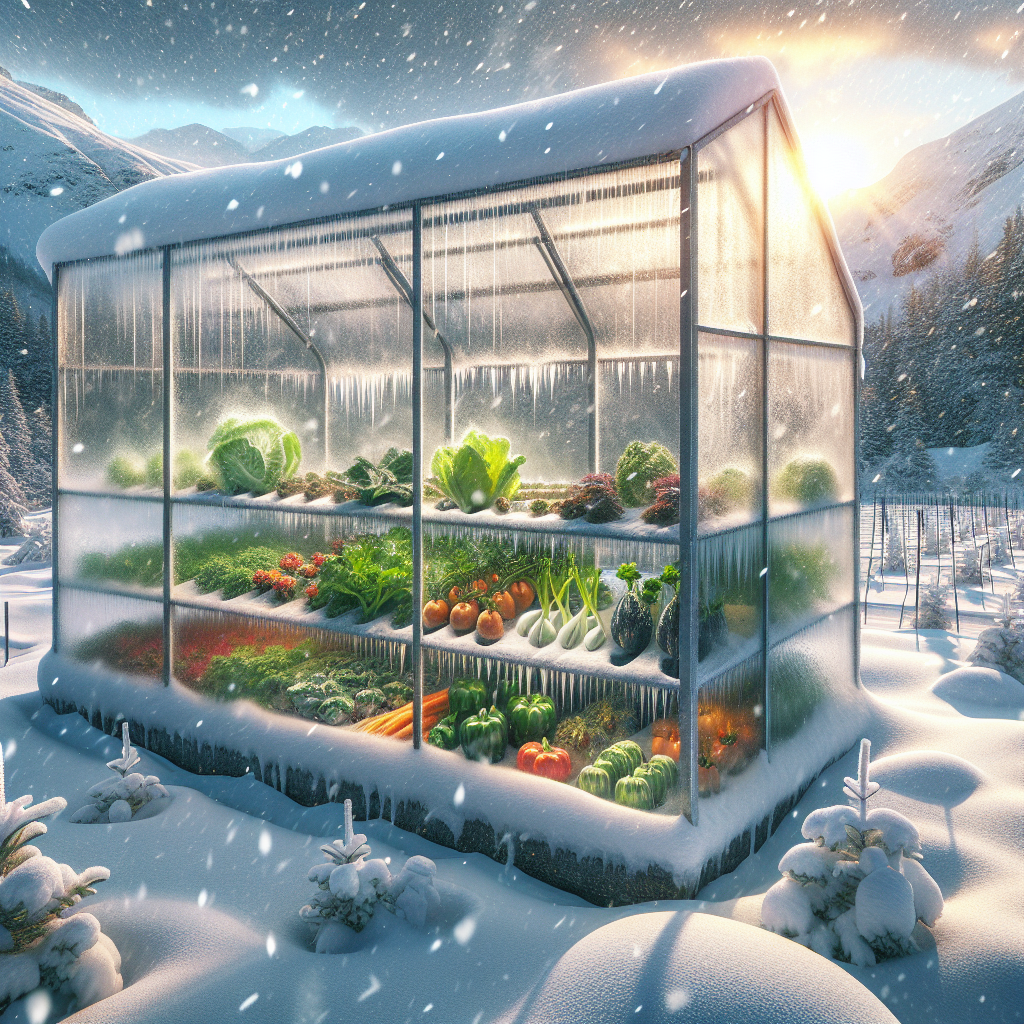
As the crisp air of autumn begins to bite and the shorter days close in around us, many gardeners may feel a twinge of sadness. The vibrant greens, colorful fruits, and aromatic herbs of summer seem to fade too quickly. However, with a cold frame—a simple and effective gardening tool—you can extend your growing season into the winter months. Cold frames allow you to cultivate a variety of vegetables even as frost blankets the ground, giving your green thumb the chance to shine well into winter.
This article dives deep into the fascinating world of cold frame winter vegetable gardening, answering common questions and providing you with the knowledge and inspiration for year-round gardening success.
Table of Contents
- What is a Cold Frame?
- Advantages of Using a Cold Frame
- Selecting the Right Location
- Designing and Building Your Cold Frame
- Choosing the Right Vegetables for Winter Gardening
- Best Practices for Cold Frame Maintenance
- Common Problems and Solutions
- Conclusion: The Joy of Winter Gardening
1. What is a Cold Frame?
A cold frame is essentially a bottomless box, often made of wood, with a transparent top that captures sunlight and converts it into heat. This greenhouse-like structure allows gardeners to protect plants from harsh winter elements while still providing adequate light. Cold frames can vary in size and design, but their primary function remains the same: creating a microclimate that nurtures plant growth even in winter.
2. Advantages of Using a Cold Frame
2.1 Extended Growing Season
With a cold frame, you effectively create a protective environment that can help extend your growing season by several weeks or even months. This is particularly beneficial for cool-weather crops such as lettuce, spinach, kale, and root vegetables.
2.2 Cost-Effective
Unlike traditional greenhouses, cold frames are relatively inexpensive to construct. They can be built using reclaimed materials or simple supplies, making them accessible for gardeners on a budget.
2.3 Easy to Use
Cold frames are user-friendly and require minimal intervention. Once set up, they can be left unattended for short periods while plants continue to thrive.
2.4 Versatile Uses
Cold frames can be used to start seedlings in early spring, harden off young plants before planting them outdoors, or store winter vegetables for later use.
2.5 Efficient Resource Management
By capturing and utilizing sunlight, cold frames can reduce reliance on artificial heating, making them an environmentally friendly option for extending the growing season.
3. Selecting the Right Location
When setting up a cold frame, location is crucial. The ideal spot should receive plenty of sunlight, typically around 6-8 hours a day, particularly during the winter months when the sun is lower in the sky. Consider the following tips:
- Orientation: Place the cold frame in a south-facing position if possible. This arrangement maximizes sun exposure and warmth inside the frame.
- Shelter from Wind: A location that is sheltered from cold winds can help maintain a stable temperature inside the cold frame.
- Accessibility: Ensure the cold frame is easily accessible for watering, harvesting, and maintenance.
4. Designing and Building Your Cold Frame
Building a cold frame can be a rewarding DIY project. Here’s a step-by-step guide to constructing your own cold frame:
4.1 Material Choices
- Frame: Wood is commonly used for the frame, but you can consider using recycled materials for environmental sustainability. Moulded plastic and metal can also be viable options.
- Covering: Clear plastic sheeting, glass panes, or polycarbonate panels can be used to allow sunlight to penetrate while trapping heat inside.
4.2 Step-by-Step Instructions
-
Choose Your Dimensions: A common size for a cold frame is 3 feet by 6 feet, but you can customize it based on your available space.
-
Construct the Base: Assemble the wooden frame in a rectangular shape. Secure corners with screws for stability.
-
Add a Lid: Create a slanted lid that can be opened for ventilation. The slant also allows rainwater to run off. The lid can be hinged or removable.
-
Install Covers: Attach your chosen covering material to the lid frame with screws, ensuring a snug fit to minimize heat loss.
-
Set Up the Cold Frame: Fill the base with quality soil, ensuring proper drainage, and then place the cold frame in your chosen location.
-
Insulation (Optional): For added warmth, consider placing straw or other insulating materials around the perimeter on particularly cold nights.
5. Choosing the Right Vegetables for Winter Gardening
Not all vegetables thrive in cold frames during winter, but many cool-season crops excel. Let’s explore some excellent choices:
5.1 Leafy Greens
- Spinach: Quick to germinate and can be harvested throughout winter.
- Lettuce: Varieties like ‘Butterhead’ thrive well in cooler weather.
- Kale: Hardy and can even taste sweeter after frost.
5.2 Root Vegetables
- Carrots: Can be grown in cold frames, and their flavor improves after freezing.
- Beets: Tolerant of frost, beets can be left in the ground and harvested as needed.
- Radishes: Fast-growing and can be sown in late summer for winter harvest.
5.3 Brassicas
- Broccoli: Fall planting allows for winter harvests, especially in cold frames.
- Cabbage: Robust and a great choice for overwintering.
5.4 Herbs
- Parsley: Hardy enough to survive in a cold frame and can be harvested year-round.
- Chives: Perennial and flavorful, chives grow well when protected from frost.
6. Best Practices for Cold Frame Maintenance
While cold frames are low-maintenance, a few best practices can help you maximize success:
6.1 Monitor Temperature
Use a thermometer to track the temperature inside the frame. On sunny days, the temperature can rise quickly, so be prepared to open the lid for ventilation.
6.2 Watering
Watering needs can vary significantly in winter, as the sun can dehydrate plants even when it’s cold outside. Keep an eye on soil moisture, and water when necessary.
6.3 Pest and Disease Management
Cold frames provide a controlled environment, but pests like aphids or diseases can sometimes still be an issue. Regularly inspect your plants and use organic pesticides as needed.
6.4 Experiment and Record
Keep a gardening journal to note what works and what doesn’t. Record temperatures, planting dates, varieties used, and your harvesting success to improve future crops.
7. Common Problems and Solutions
Even experienced gardeners face challenges when using cold frames. Here are some issues that may arise, along with effective solutions:
7.1 Temperature Fluctuations
Problem: Sudden temperature drops can harm plants.
Solution: Use thermal mass, such as water bottles or stones, placed inside the frame to retain heat.
7.2 Overheating
Problem: On sunny days, temperatures can spike rapidly, harming plants.
Solution: Open the lid or ventilate the cold frame during extreme heat. Shade cloth can be used to limit direct sunlight.
7.3 Poor Germination
Problem: Some seeds may fail to germinate in lower light conditions.
Solution: Use seed starting lights if you’re beginning your seeds in late winter or early spring.
7.4 Disease
Problem: Mold or fungal diseases can occur in damp conditions.
Solution: Ensure good air circulation and avoid overcrowding plants. Consider using biological fungicides if needed.
8. Conclusion: The Joy of Winter Gardening
Cold frame winter vegetable gardening is truly a rewarding endeavor. It allows you to reap the benefits of fresh, homegrown produce even in the coldest months. By understanding how to design, construct, and maintain your cold frame, as well as knowing which vegetables to plant, you can enjoy extended harvests, save money, and engage in a soothing, fulfilling hobby throughout the winter season.
Imagine stepping outside, your breath visible in the cold air, to gently harvest fresh kale or crisp lettuce, all while the rest of the garden lies dormant. Winter gardening is not just about the vegetables you cultivate; it’s about resilience, creativity, and the pure joy of nurturing life, no matter the season.
So grab your tools, get creative, and make the most of the frost! With a cold frame in your gardening arsenal, you have the power to keep your garden thriving year-round.
This article provides a comprehensive overview of cold frame winter vegetable gardening, equipping you with everything you need to get started. Whether you’re an experienced gardener or a novice, the winter months need not mean an end to your gardening journey. Instead, they can open up a world of possibilities. Happy gardening!