
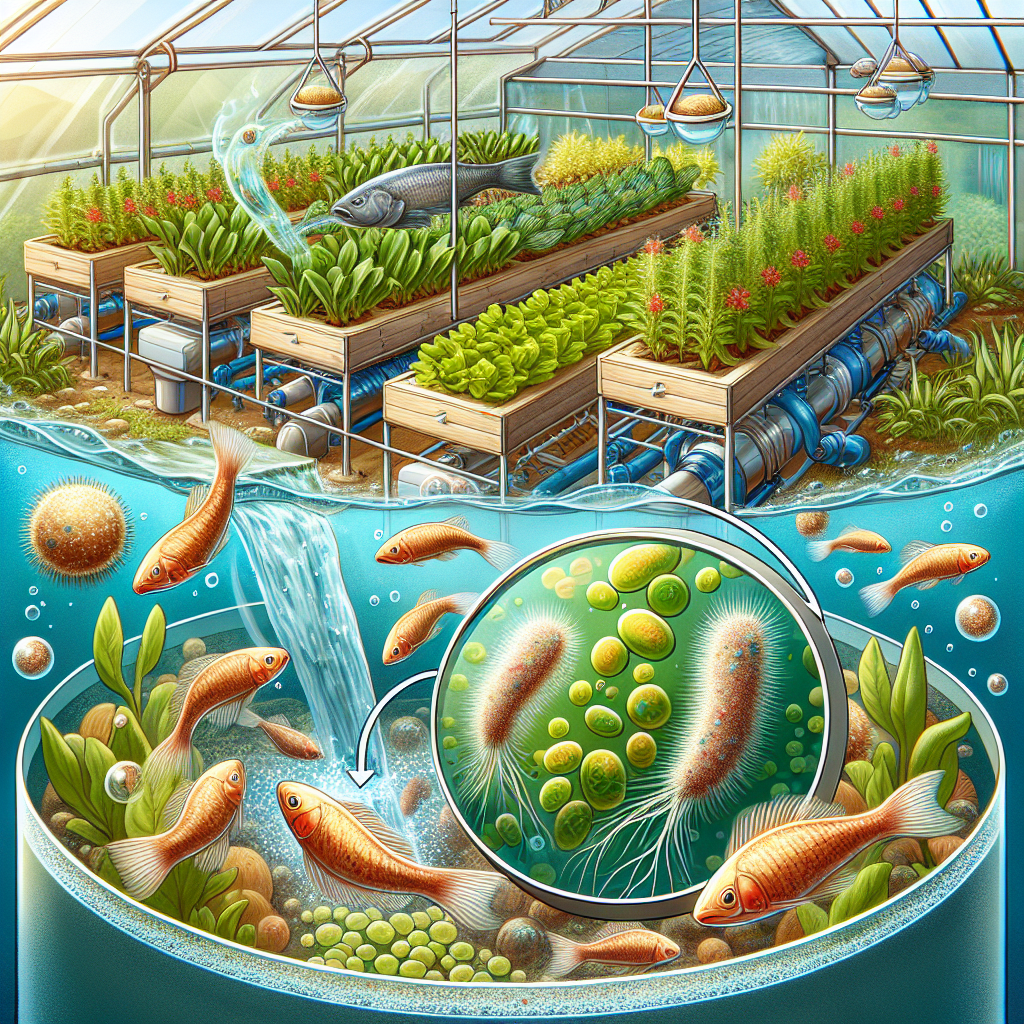
Aquaponics combines aquaculture (raising fish) and hydroponics (growing plants in water) into a synergistic system where the waste produced by aquatic animals provides nutrients for plant growth, and, in return, the plants help filter and purify the water for the fish. The success of an aquaponics system hinges not only on the careful management of fish and plant components but also on the often-underappreciated role of bacteria. This article delves deep into the vital function these microscopic organisms fulfill in aquaponics, answering a myriad of questions and emphasizing their importance within this innovative, sustainable agriculture method.
Understanding Aquaponics
Before we dive into the realm of bacteria, it’s essential to grasp the fundamentals of aquaponics. An aquaponics system is a closed-loop ecosystem where fish waste provides organic nutrients for plant growth. This system generally consists of three main components: fish tanks, plant beds, and biofilters.
Components of Aquaponics
-
Fish Tanks: Aquaculture provides the nutrient source. Fish waste is rich in ammonia, which is subsequently converted into nutrients that plants can absorb.
-
Plant Beds: Hydroponics involves growing plants in a soilless medium. Plants extract nutrients and purify the water, which is then cycled back to the fish tank.
-
Biofilters: These contain beneficial bacteria that facilitate the breakdown of fish waste into forms that can be utilized by plants.
What Role Do Bacteria Play in Aquaponics?
1. Nitrogen Transformation
One of the primary roles of bacteria in aquaponics is nitrogen transformation, a critical process for converting harmful ammonia from fish waste into usable forms of nutrients for plants.
What is the Nitrogen Cycle?
The nitrogen cycle is a fundamental ecological process involving the conversion of nitrogen from one form to another. Here’s how it works in an aquaponics context:
-
Ammonia Production: Fish produce waste containing ammonia, which is toxic in high concentrations.
-
Nitrosomonas Bacteria: This genus of bacteria oxidizes ammonia into nitrites, which are still toxic but less so than ammonia.
-
Nitrobacter Bacteria: Next, Nitrobacter bacteria convert nitrites into nitrates, which are less toxic and can be readily absorbed by plants.
-
Nitrate Utilization: Plants then take up these nitrates through their roots, utilizing them for growth and development.
2. Decomposition of Organic Matter
Bacteria also play a significant role in the decomposition of organic matter within the aquaponics system.
How Does This Work in Aquaponics?
Organic material such as uneaten fish feed and plant detritus breaks down over time, contributing to the nutrient pool. Bacteria break down this organic matter into simpler compounds, making them more accessible to plants.
-
Breakdown Process: This decomposition includes both aerobic (requiring oxygen) and anaerobic (not requiring oxygen) bacteria. Aerobic bacteria typically yield faster results and produce byproducts like carbon dioxide, which plants also utilize.
-
Nutrient Richness: Through this process, the bioavailability of essential nutrients—such as phosphorus and potassium—improves significantly, benefiting plant uptake.
3. Disease Suppression
Another critical role that bacteria fulfill is disease suppression. Various beneficial bacteria can suppress harmful pathogens within the system.
What Mechanisms Contribute to Disease Suppression?
-
Antagonistic Action: Some beneficial bacteria compete with pathogenic organisms for resources and space, effectively outcompeting them.
-
Siderophore Production: Certain bacteria produce siderophores—molecules that can sequester iron. Since many pathogens require iron to grow, the bacteria’s ability to bind this nutrient serves as a natural form of disease management.
-
Antimicrobial Compounds: Certain strains of bacteria can produce antimicrobial compounds that help inhibit the growth of harmful microorganisms in the system.
4. Biofilm Formation
Bacteria are instrumental in forming biofilms, communities of microorganisms that adhere to surfaces within the aquaponics system.
What are Biofilms?
-
Definition: Biofilms are structured communities of bacteria that attach to surfaces and are enclosed in a self-produced polymeric matrix.
-
Function in Aquaponics: These structures promote nutrient cycling and enhance the breakdown of waste products, further contributing to the health of the ecosystem. Biofilms can be found on the surfaces of biofilters and plant roots, creating an intricate web of interactions that contribute to nutrient availability.
5. pH Regulation
Bacteria influence the pH of the aquaponics system, an essential factor for both fish and plants.
How Does Bacteria Affect pH?
-
Ammonia and Nitrite Oxidation: The processes of ammonia and nitrite oxidation can cause shifts in pH. Typically, the conversion of these compounds results in proton release, which can lead to increased acidity.
-
Buffering Capacity: Certain bacteria can help stabilize pH levels by producing alkalinizing compounds. A stable pH level is crucial, as both fish and plants have optimal ranges for growth.
6. Nutrient Cycling
Bacteria play an integral role in nutrient cycling in aquaponics, ensuring the continuous availability of essential nutrients.
What Nutrients Are Involved in Bacterial Cycling?
-
Micro and Macro Nutrients: Bacteria assist in cycling not just nitrogen but also phosphorus, potassium, calcium, and magnesium. These nutrients are essential for plant growth and overall crop yield.
-
Mineralization: Bacteria convert organic nitrogen into inorganic forms that are easier for plants to absorb, ensuring that crops continue to thrive.
Common Questions About Bacteria in Aquaponics
Q1: How Do I Cultivate Beneficial Bacteria in My Aquaponics System?
To cultivate beneficial bacteria, maintain a balanced ecosystem by ensuring proper conditions:
-
Aeration: Ensure adequate oxygen levels for aerobic bacteria.
-
Nutrient Sources: Provide organic matter or additional carbon sources to promote bacterial growth.
-
Proper pH: Maintain suitable pH levels (generally between 6.5 to 7.5) for optimal bacterial activity.
-
Avoid Pathogens: Employ good hygiene practices and avoid introducing pathogens, as harmful bacteria can compromise the balance.
Q2: Can Bacteria Become a Problem in Aquaponics?
While beneficial bacteria are crucial, harmful bacteria can pose risks. Here’s how to manage those risks:
-
Monitoring: Regularly test water quality parameters such as ammonia, nitrite, and nitrate levels.
-
Water Quality Management: Maintain good water quality through filtration and aeration.
-
Avoid Overfeeding: Ensure that fish are not overfed to reduce waste build-up, which can foster harmful bacterial growth.
Q3: How Long Does It Take for Bacteria to Become Established in an Aquaponics System?
The process of establishing a healthy bacterial community—often referred to as “cycling” the system—can take several weeks.
-
Time Frame: Generally, it takes about 4 to 6 weeks after the setup of the system for beneficial bacteria to establish an effective cycle.
-
Indicators: The presence of nitrates and a drop in ammonia and nitrites indicate a robust and functioning nitrification process.
Q4: Is There a Way to Accelerate Bacterial Growth?
Yes, there are strategies to accelerate bacterial growth in your system:
-
Seed with Existing Cultures: Introducing planting media from an established system can help jumpstart microbial activity.
-
Use Commercial Products: Some products contain beneficial bacteria and can introduce them quickly to your system.
-
Optimizing Conditions: Ensure optimal environmental conditions—temperature, pH, oxygen levels, and nutrient availability.
Conclusion: The Unsung Heroes of Aquaponics
Bacteria, while microscopic and often overlooked, play a monumental role in the effective functioning of aquaponics systems. From nutrient cycling to disease suppression and biofilm formation, these tiny organisms ensure a healthy and productive ecosystem. Their multifaceted roles not only contribute to the success of aquaponics but also underscore the importance of maintaining balance within this unique agricultural practice.
A deeper understanding and appreciation of bacteria can help aquaponics practitioners optimize their systems, leading to healthier fish, more robust plants, and ultimately, a more successful endeavor. As aquaponics continues to grow as a sustainable food-production method, the spotlight on bacteria will only widen, highlighting their importance as indispensable players in this innovative agricultural revolution.