
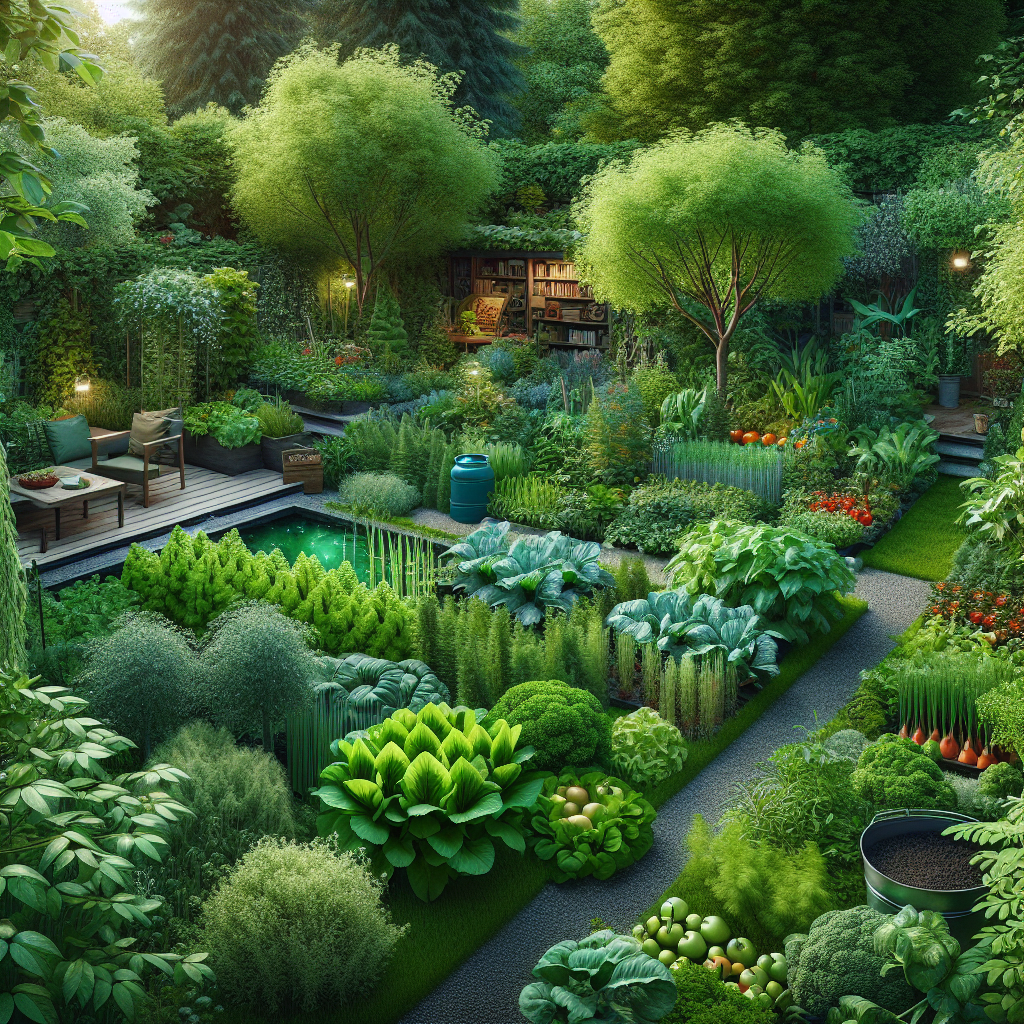
In an age where sustainable living is becoming paramount, the concept of edible garden landscaping is gaining traction among conscientious homeowners, urban dwellers, and gardening enthusiasts alike. Edible garden landscaping marries the art of landscape design with the practicality of growing your own food. This comprehensive guide will explore what edible garden landscaping is, why it’s beneficial, how to design one, and answer frequently asked questions.
What is Edible Garden Landscaping?
Edible garden landscaping is the practice of incorporating edible plants—fruits, vegetables, herbs, and even edible flowers—into the overall landscape design of a property. This approach focuses not only on aesthetics but also on functionality, allowing homeowners to cultivate their own food while beautifying their surroundings.
Imagine stepping into a garden not just filled with roses and dahlias, but also with rows of heirloom tomatoes, fragrant herbs, and vibrant squash flowers. The experience becomes a rich multisensory delight, with sights, sounds, and smells that stimulate the senses and foster a deeper connection with nature.
The Principles of Edible Garden Landscaping
-
Planning and Design: Similar to traditional landscaping, edible garden landscaping begins with a thought-out design that considers the layout, plant selection, and location.
-
Soil Health: Rich and fertile soil is essential for growing healthy plants. Composting and organic soil amendments play pivotal roles in sustaining soil health.
-
Local Climate: Understanding the local climate and microclimates within your property is vital. Different plants thrive in varying conditions, so it is crucial to select appropriate species.
-
Companion Planting: This technique encourages planting different species together that benefit one another. For example, tomatoes and basil thrive when grown side by side.
-
Sustainability: Utilizing water-efficient practices like drip irrigation, rainwater harvesting, and permaculture principles enhances the sustainability of your garden.
Benefits of Edible Garden Landscaping
Aesthetic Appeal
One of the most immediate advantages of edible garden landscaping is its aesthetic appeal. Traditional gardens can be beautiful, but edible gardens can offer stunning visual diversity with colorful vegetables, flowering herbs, and unique plant shapes.
Environmental Sustainability
Edible gardens promote environmental stewardship. By growing your own food, you reduce the carbon footprint associated with transporting produce. Home gardens also absorb carbon dioxide and provide habitats for pollinators, which are crucial for maintaining biodiversity.
Health Benefits
There’s a plethora of health benefits associated with growing your own food. Homegrown fruits and vegetables provide fresher, organic options free from harmful pesticides. Moreover, gardening can serve as physical exercise and a stress-reliever, contributing positively to mental health.
Economic Savings
Growing your own food can significantly reduce grocery bills. By wisely utilizing edible landscaping, homeowners can cultivate high-value crops, allowing them to save money while gaining access to fresher produce.
Educational Opportunities
Edible garden landscaping serves as an excellent educational tool for families. Children can learn about plant biology, sustainable practices, and the food cycle hands-on. This connection often fosters a greater appreciation for food sources and can lead to better eating habits.
Getting Started with Edible Garden Landscaping
How to Choose the Right Location
Sunlight: Most edible plants require at least 6-8 hours of sunlight each day. Observe how sunlight interacts with your garden throughout the day to choose the best spot.
Access: The garden should be easily accessible for regular maintenance, harvesting, and watering.
Soil Quality: Conduct a soil test to determine pH, nutrient levels, and soil type. This will guide future amendments and plant selection.
Selecting Edible Plants for Your Landscape
When selecting plants for your edible garden, consider the following:
-
Seasonality: Choose a mix of perennials (like asparagus and rhubarb) and annuals (like tomatoes and cucumbers) for year-round yields.
-
Culinary Uses: Opt for plants that you frequently use in cooking. Herbs like basil, parsley, and cilantro add flavor to meals while being easy to grow.
-
Diversity: Incorporate a variety of plants to create a vibrant landscape and prevent disease spread. This could mean mixing vegetables with flowering herbs or fruits.
Designing Your Edible Landscape
-
Layering: Consider a vertical garden approach. Taller plants (like sunflowers or trellised beans) can be placed towards the back or center, with shorter plants in front.
-
Focal Points: Incorporate eye-catching elements, such as a peach tree or a raspberry bush, to create visual interest.
-
Pathways and Borders: Design paths for easy access to plants and to establish boundaries. Using gravel, wood chips, or decorative stones adds aesthetic appeal.
-
Edible Flowers: Add visual and culinary interest by including edible flowers like nasturtiums and calendula, which can also attract beneficial pollinators.
Maintenance of Edible Garden Landscapes
While edible gardens can be low maintenance, they do require some attention:
-
Watering: Implement efficient watering techniques. Drip irrigation systems save water and ensure consistent moisture for plants.
-
Fertilization: Regularly add organic compost and mulch to provide essential nutrients and improve soil health.
-
Pest Management: Monitor your plants for pests and diseases. Utilize organic solutions, such as neem oil or planting companion species that deter unwanted visitors.
-
Pruning and Harvesting: Regularly prune plants to encourage healthy growth and make harvesting a pleasurable experience.
Frequently Asked Questions About Edible Garden Landscaping
1. Can I have an edible garden in a small space?
Absolutely! Container gardening or vertical gardens are excellent solutions for small spaces. You can use pots to grow herbs and compact vegetables, and vertical gardening systems can maximize space while introducing a stunning design element.
2. How much investment is required to start an edible garden?
The investment depends on the scale of the garden. For smaller setups, you can start with just a few pots, soil, and seeds, costing less than $100. Larger landscapes may need more resources—soil amendments, irrigation systems, tools, and plants—making it more expensive.
3. What types of plants are best for beginners?
Herbs like basil, chives, and parsley are terrific choices for first-time gardeners due to their resilience and versatile culinary uses. Undemanding vegetables like radishes, lettuce, and green beans are also beginner-friendly.
4. Is edible landscaping financially advantageous?
Growing your own vegetables and herbs can lead to substantial savings on groceries. The initial investment in soil and seeds can quickly pay off in fresh produce, especially if you focus on high-value crops like tomatoes and strawberries.
5. How can I enhance biodiversity in my edible garden?
Encourage biodiversity by integrating native plants and creating habitats for beneficial species. Planting a mix of flowers and herbs attracts pollinators, while avoiding mono-crop planting prevents disease spread.
6. Is it necessary to use chemicals or pesticides?
With proper planning and maintenance, a well-constructed edible garden often requires minimal intervention. Organic approaches like planting companion species, maintaining healthy soil, and manual pest removal can effectively deter pests without harming the environment.
7. Can I include non-edible plants in my edible landscape?
Certainly! Non-edible ornamental plants can enhance the visual appeal of your edible landscape while still being a part of a cohesive garden. Make sure they don’t compete excessively for nutrients and water.
Creating a Community Edible Garden
1. What is a Community Edible Garden?
A community edible garden is a shared space where community members collaboratively grow fruits, vegetables, and herbs. These gardens strengthen social bonds, educate members about gardening, and contribute to local food security.
2. Why should I consider starting a community garden?
Community gardens provide numerous benefits, including:
- A sense of community and teamwork.
- Access to fresh produce for those without adequate space.
- Educational opportunities about gardening, nutrition, and sustainability.
3. How to start a community garden?
To start a community garden, consider the following steps:
-
Organize a Group: Gather neighbors interested in participating.
-
Choose a Location: Find a suitable piece of land that is accessible and has adequate sunlight.
-
Plan and Design: Create a design that accommodates various plants, pathways, and communal spaces.
-
Secure Permissions: Ensure that you have the necessary permissions from landowners or local authorities.
-
Establish Guidelines: Draft rules for maintenance, harvesting, and responsibilities.
Success Stories: Libraries of Edible Landscapes
Case Study 1: Urban Edible Landscapes in New York City
New York City boasts numerous edible gardens, showcasing how urban environments can transform into green spaces that yield produce. Many community organizations are engaged in citywide initiatives to plant fruit trees and medicinal herb gardens in public spaces, reinforcing the idea that urban areas can be self-sustaining.
Case Study 2: Schools Integrating Edible Landscapes
Educational institutions across the country are incorporating edible gardens into their curricula. Students learn valuable lessons about botany, responsibility, and teamwork while enjoying hands-on experience growing their own food.
Case Study 3: Homeowner Transformations
Homeowners who have made the switch to edible landscaping report increased satisfaction with their outdoor spaces. One family in California reports that their backyard garden yielded enough tomatoes to preserve sauce for the entire year, emphasizing both health benefits and a newfound love for gardening.
Conclusion
Edible garden landscaping represents a revolutionary shift towards a more sustainable and rewarding way of gardening. By combining beauty with practical benefits, it caters to our desire for nourishment while fostering a sense of community and environmental stewardship.
Whether you are looking to create a small patio garden or transform your entire landscape, the possibilities are endless. By engaging with nature, you cultivate not just food, but also a rich tapestry of experiences and connections—both with your environment and those around you. Embracing the idea of edible gardens is more than a trend; it’s a step towards a healthier, more sustainable future for our planet and ourselves.
So, venture forth, grab your seeds, and embark on the delightful journey of edible garden landscaping today. Your future self—and your palate—will thank you!