
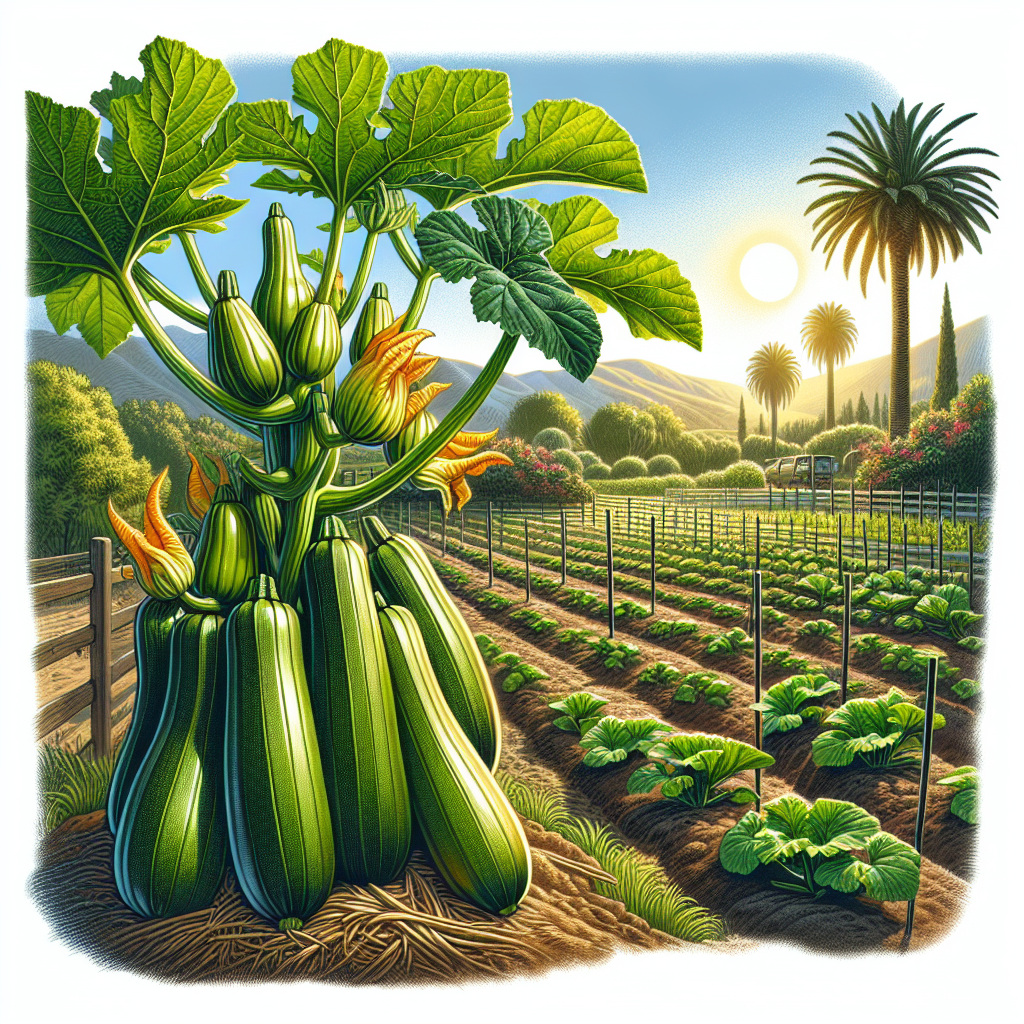
Zucchini (Cucurbita pepo) is a beloved member of the summer squash family, known for its versatility in cooking and ease of growth. In California, a state renowned for its varied climates, growing zucchini can be a rewarding experience if the proper conditions and timing are taken into account. This article serves as an in-depth guide on when to plant zucchini in California, covering everything from climate considerations to planting techniques, care tips, and common questions that aspiring gardeners may have.
Understanding Californian Climate Zones
1. What are the different climate zones in California?
California boasts a diverse array of climate zones, ranging from Mediterranean to arid desert and coastal. The USDA Plant Hardiness Zones divide the state into several regions, mainly:
- Coastal Regions (Zones 10-11): These areas enjoy mild winters and a long growing season, perfect for multiple zucchini crops.
- Valleys and Lowlands (Zones 8-9): These zones also support a long growing season but may experience more extreme temperatures than coastal areas.
- Mountain Areas (Zones 4-7): These regions have shorter growing seasons, requiring careful timing for planting.
- Desert Areas (Zones 8-9): Characterized by hot summers and cool winters, these zones also allow for zucchini gardening, but special considerations are necessary.
Understanding your specific climate zone is crucial for successful zucchini cultivation. You can use the USDA Plant Hardiness Map to find your zone and tailor your planting strategy accordingly.
The Ideal Planting Time for Zucchini
2. When is the best time to plant zucchini in California?
In California, the best time to plant zucchini generally falls in the spring, once the soil temperature consistently reaches around 60°F (15.5°C) or higher.
Late Winter to Early Spring Planting:
- Coastal Areas: In coastal regions, you can start planting as early as late February to early March.
- Inland Areas: If you’re in the central valleys or foothills, aim for mid-March to early April.
- Desert Areas: In the desert, it’s best to plant starting in mid-March to avoid the heat of summer.
3. Can I plant zucchini in fall?
While zucchini is predominantly a summer crop, you can grow it in the fall in certain parts of California. For example, in southern California, you can plant zucchini as late as late July to early August to harvest in the fall before the temperatures start to dip.
4. What are the signs indicating it’s time to plant?
The best indicators that it’s time to plant zucchini include:
- Frost Dates: Ensure that the last frost date in your area has passed. This varies across California but typically ends by late February to mid-April.
- Soil Temperature: Use a soil thermometer. When the soil has warmed to 60°F (15.5°C), it’s safe to plant.
- Weather Patterns: Long-term forecasts indicating a stable period of warmer weather can also be a good sign.
Choosing the Right Site and Soil
5. What type of soil is ideal for growing zucchini?
Zucchini thrives in well-draining, fertile soil with a pH between 6.0 and 7.5. Here’s how to achieve optimal soil conditions:
- Amendments: Consider adding compost or aged manure to improve soil fertility and structure. Organic matter enhances drainage and retention of nutrients.
- Raised Beds: If your soil is heavy clay or very sandy, consider creating raised beds to improve drainage.
6. How much sunlight do zucchini plants need?
Zucchini requires full sunlight to grow optimally, needing at least 6-8 hours of direct sunlight daily. Therefore, select a site that is unobstructed by trees, buildings, or other structures.
Planting Techniques
7. Should I start zucchini seeds indoors or directly in the ground?
-
Direct Sowing: In most Californian climates, it’s advisable to sow seeds directly in the ground once the soil temperature is warm enough, usually in mid to late spring.
-
Indoor Starting: If you’d like to get a head start, consider starting seeds indoors 2-4 weeks before the last anticipated frost date. Transplant them carefully when the weather is consistently warm.
8. What spacing should I maintain when planting zucchini?
Zucchini plants require ample space to grow. Generally:
- Row Spacing: Space your rows 3-4 feet apart.
- Plant Spacing: Aim for 2-3 feet between plants within the same row. Proper spacing helps with air circulation, reduces the risk of disease, and allows the plants to grow to their full size.
Caring for Your Zucchini Plants
9. What care do zucchini plants require during their growth?
Proper care is essential for a flourishing zucchini crop. Here are key care tips:
-
Watering: Zucchini needs consistent moisture, so water plants deeply about once a week, increasing frequency during dry spells. Early morning is the best time for watering to prevent disease.
-
Mulching: Apply a layer of organic mulch, such as straw or shredded leaves, around your plants. This conserves moisture, suppresses weeds, and regulates soil temperature.
-
Fertilizing: Use a balanced fertilizer or a high-nitrogen fertilizer at planting time and again as the plants begin to flower.
10. How do I know when my zucchinis are ready to harvest?
Zucchini can be harvested as soon as they’re about 6-8 inches long, usually around 50 to 60 days after planting. Waiting too long will result in larger, less tender fruit with seeds, which can be undesirable for culinary uses.
Pest and Disease Management
11. What are common pests and diseases affecting zucchini in California?
Zucchini is generally hardy but can be susceptible to pests and diseases. Here’s how to manage them:
-
Pests: Look out for aphids, squash bugs, and cucumber beetles. Use insecticidal soap or neem oil for pest control, and consider planting companion plants like marigolds or nasturtiums to deter pests.
-
Diseases: Powdery mildew is a common fungal disease. To prevent it, ensure good air circulation and avoid overhead watering. If plants become infected, remove and dispose of the affected leaves promptly.
12. How can I encourage pollination?
Pollination is critical for zucchini plants. If you notice poor fruit set, it may be due to a lack of pollinators. You can encourage pollination by:
- Attracting Bees: Plant flowers like sunflowers or marigolds nearby to attract bees.
- Hand Pollination: Use a small paintbrush or cotton swab to transfer pollen from male flowers (which have a slender stem) to female flowers (which have a small bulge at the base).
Answering Common Questions
13. Can I grow zucchini in containers?
Yes! Zucchini can be grown in containers as long as you provide sufficient depth (at least 5 gallons of soil volume) and nutrients. Ensure the container has good drainage holes and use a quality potting mix.
14. Are there specific zucchini varieties better suited for California?
While almost any zucchini variety can thrive in California, some popular options include:
- ‘Black Beauty’: An American classic with smooth, dark green skin.
- ‘Costata Romanesco’: Known for its ribbed texture and unique flavor.
- ‘Golden Zucchini’: A vibrant yellow variety that adds color to your garden.
15. What if I encounter unexpected weather changes?
California can experience sudden weather fluctuations. Here are tips to safeguard your zucchini plants:
- Extreme Heat: If temperatures exceed 90°F (32°C), consider providing shade cloth to reduce stress on the plants.
- Cold Snaps: If an unexpected frost occurs, cover young plants with row covers or blankets to protect them.
16. Should I rotate my zucchini crops?
Yes, crop rotation helps manage soil health and reduces the likelihood of pest and disease buildup. Try to avoid planting zucchini in the same spot for at least three years. Rotate with legumes or leafy greens to improve soil fertility.
Conclusion
Zucchini is an incredibly rewarding plant to grow in California, given its ability to produce bountiful yields with the right care and timing. By understanding your local climate, preparing your soil, and adhering to sound horticultural practices, you can maximize your zucchini harvest.
Remember, the joy of gardening goes beyond the final fruits you’ll reap; it also encompasses the connection you build with nature and the satisfaction of nurturing a small seed into a flourishing plant. So gather your seeds, prepare your garden, and get ready to enjoy the summer delights that zucchini has to offer! Happy gardening!