
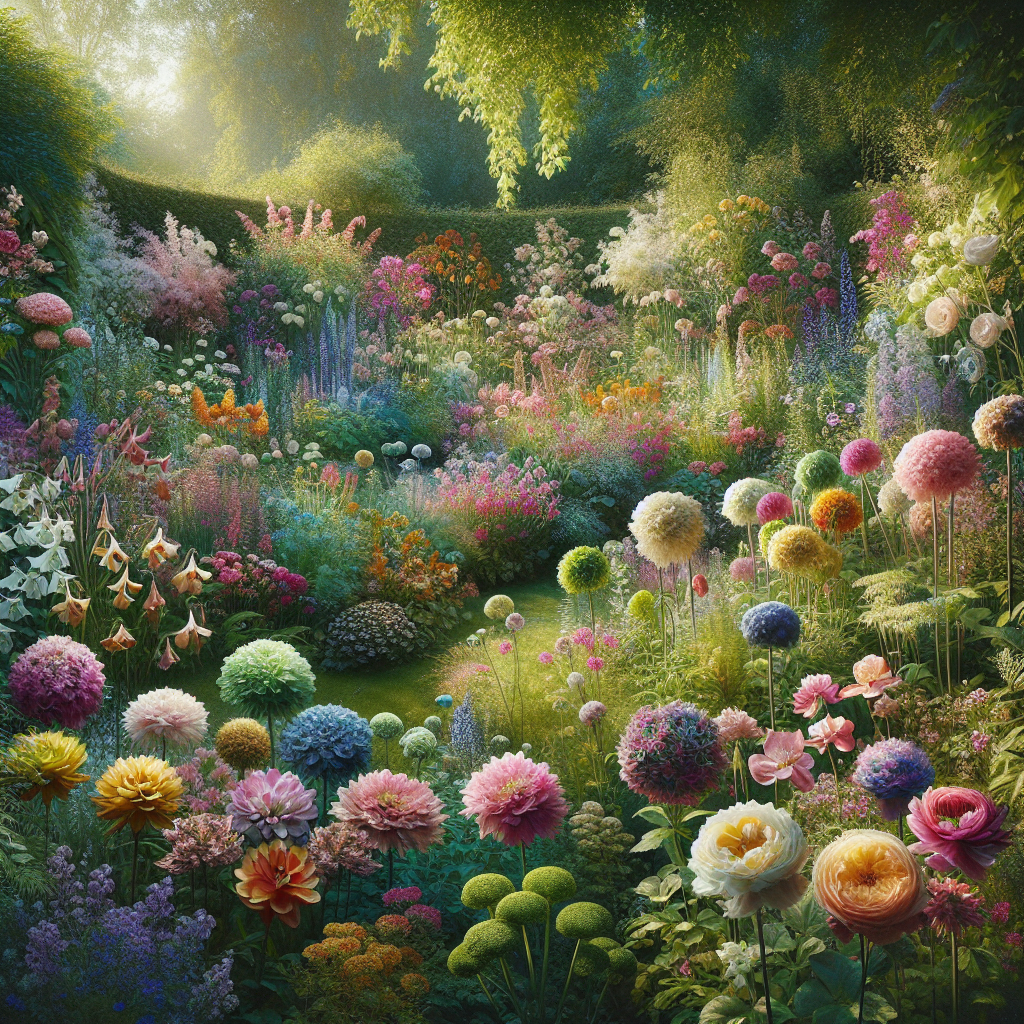
Gardening has long been seen as a therapeutic hobby, a way to connect with nature, and an opportunity to create beauty. One of the most rewarding types of gardening is designing a cut flower garden—a space brimming with vibrant blooms, delightful fragrances, and an inspirational way to celebrate life’s special moments. This article is a deep dive into the world of cut flower gardens, addressing frequently asked questions and offering detailed guidance to ensure that your gardening endeavor is both successful and fulfilling.
Table of Contents
- What is a Cut Flower Garden?
- Why Create a Cut Flower Garden?
- Choosing the Right Location
- Selecting the Best Flowers
- Annuals vs. Perennials
- Popular Cut Flower Varieties
- Planning Your Garden Design
- Layout and Spacing
- Companion Planting
- Soil Preparation and Maintenance
- Watering and Fertilization
- Pest Control and Disease Management
- Cutting and Arranging Flowers
- Seasonal Considerations
- Embracing Sustainability
- Conclusion
1. What is a Cut Flower Garden?
A cut flower garden is a designated area in which various flowering plants are grown specifically for the purpose of cutting and arranging. These gardens can vary in size from small plots to expansive beds, allowing for a wide variety of blooms to be cultivated throughout the growing season. The primary goal is to produce an abundant supply of fresh flowers that can be enjoyed indoors or gifted to others.
Creating a cut flower garden not only beautifies your home but also fosters a sense of accomplishment as you nurture the plants and reap their rewards.
2. Why Create a Cut Flower Garden?
The allure of a cut flower garden extends beyond aesthetic appeal. Here are several reasons why you might consider designing your own:
-
Aesthetic Value: Freshly cut flowers can uplift the spirit and transform your home into a fragrant haven. They serve as stunning centerpieces for gatherings, adding a personal touch to celebrations.
-
Therapeutic Benefits: Engaging with plants has been shown to reduce stress and promote mental well-being. The act of gardening itself can be meditative, providing a break from the hustle of everyday life.
-
Environmental Impact: By growing your own cut flowers, you can reduce reliance on commercially produced blooms. This not only lowers your carbon footprint but also supports local ecosystems.
-
Cost-Effectiveness: Once established, a cut flower garden can provide blooms throughout the season, reducing the expenses associated with purchasing flowers.
-
Educational Experience: Gardening offers a unique opportunity to learn about plant biology, ecosystems, and sustainability practices.
3. Choosing the Right Location
Selecting the right location for your cut flower garden is crucial. Here are the considerations you should keep in mind:
Sunlight
Most flowering plants require at least 6-8 hours of direct sunlight daily. When choosing a location, observe the sun patterns throughout the day. An area that receives a consistent source of sunlight is ideal for vibrant blooms.
Accessibility
Your garden should be easily accessible for maintenance and cutting. Consider how often you will visit the garden, especially during peak blooming seasons. A location close to your kitchen or living area may also encourage you to incorporate flowers into your home more frequently.
Drainage
Proper drainage is essential for a healthy cut flower garden. Avoid areas where water tends to pool after heavy rains. You can assess this by observing how the soil behaves during and after a rainstorm and ensuring that your chosen spot has a slight slope.
Protection from Elements
While natural sunlight is vital, strong winds and harsh weather can damage delicate flowers. Locate your garden near a protective shelter, such as a fence or hedge, to mitigate the impact of strong winds.
4. Selecting the Best Flowers
Annuals vs. Perennials
Before diving into specific flower varieties, it’s important to understand the difference between annuals and perennials:
-
Annuals: These are plants that complete their life cycle within a single growing season. They bloom abundantly and provide color throughout the summer. Examples include zinnias, sunflowers, and cosmos.
-
Perennials: These plants return year after year, becoming more robust as they mature. They tend to have a more limited bloom period but can offer greenery throughout the seasons. Examples include peonies, delphiniums, and lilies.
When designing your garden, a mixture of annuals and perennials can offer both continuous blooms and seasonal variety.
Popular Cut Flower Varieties
Here’s a selection of popular flowers that are excellent for cutting:
- Roses: Classic and timeless, roses come in a myriad of colors and fragrances.
- Sunflowers: Tall and cheerful, sunflowers are a great choice for adding height.
- Dahlias: These come in various shapes and sizes, making them perfect for arrangements.
- Lilies: Known for their striking blooms and fragrance, lilies add elegance to any bouquet.
- Snapdragons: These spiky flowers add vertical interest and come in many colors.
- Zinnias: Bright and hardy, zinnias are easy to grow and offer a long-lasting bloom.
- Cosmos: These daisy-like flowers are low-maintenance and attract pollinators.
When selecting flowers, consider their bloom time as well. Aim for a mixture of early-season, mid-season, and late-season bloomers to extend your cutting period.
5. Planning Your Garden Design
Layout and Spacing
Effective garden design involves strategic planning. Consider various layouts, such as:
- Rows: Planting flowers in straight lines makes for easy access and organized cutting.
- Drifts: Grouping flowers of the same type together creates impact and reduces cutting time.
- Intermingled: Mixing different flower types encourages biodiversity and can minimize pest issues.
Ensure to give adequate spacing between plants to allow for air circulation and growth. Generally, annuals should be spaced 6-18 inches apart, depending on their size, while perennials may require more space.
Companion Planting
Incorporating companion planting can help deter pests and attract beneficial insects. For example, marigolds can repel nematodes, while borage attracts pollinators. Be mindful of plant relationships; some species thrive together, while others may compete for resources.
6. Soil Preparation and Maintenance
Healthy soil is the foundation of a flourishing cut flower garden. Follow these steps to prepare your soil effectively:
Test the Soil
Before planting, it’s crucial to test your soil to determine its pH and nutrient levels. Kits are widely available at garden centers or through agricultural extension offices. Most cut flowers prefer a slightly acidic to neutral pH (around 6.0-7.0).
Amend the Soil
Based on your soil test results, you may need to amend your soil. Common amendments include:
- Compost: Adds organic matter, improves soil structure, and enhances fertility.
- Bone Meal: Provides phosphorus for root and flower development.
- Peat Moss: Improves moisture retention and aeration, especially in sandy soils.
Cultivation
Loosen the soil using a shovel or tiller. Aim for a depth of at least 12-15 inches. Remove any debris, rocks, or weeds to create a clean planting area.
7. Watering and Fertilization
Watering Practices
Consistent watering is essential for cut flowers, particularly during dry spells. Here are some tips:
-
Frequency: Water early in the day to minimize evaporation and fungal disease risks. A thorough watering once or twice a week is generally better than daily shallow watering.
-
Method: Drip irrigation or soaker hoses help deliver water directly to the roots, conserving moisture and reducing fungal growth.
Fertilization
Use a balanced fertilizer for cut flowers, providing essential nutrients throughout the growing season. Early in the season, use a fertilizer high in nitrogen to promote leaf growth, then switch to one higher in phosphorus and potassium as flowers begin to bloom.
8. Pest Control and Disease Management
While a healthy garden will naturally resist pests, it’s essential to remain vigilant. Here are strategies to manage pests and diseases:
Integrated Pest Management (IPM)
- Regular Monitoring: Inspect plants regularly for signs of pest damage or disease.
- Natural Remedies: Implement beneficial insects like ladybugs and lacewings that consume harmful pests.
- Organic Sprays: Consider neem oil or insecticidal soap for managing outbreaks.
Cultural Practices
Healthy plants are less susceptible to diseases. Rotate your crops each year, maintain good air circulation, and avoid overhead watering to reduce fungal-related diseases.
9. Cutting and Arranging Flowers
One of the most gratifying aspects of a cut flower garden is the opportunity to create beautiful arrangements. Here are some tips for cutting and arranging bouquets:
Timing
Cut flowers early in the morning or late in the evening when temperatures are lower and moisture levels in the flowers are higher. This will prolong their freshness.
Tools
Use sharp scissors or pruning shears to avoid damaging the stems. Clean your tools before each use to minimize the risk of disease spread.
Care After Cutting
Immediately place cut flowers in water, ideally with a preservative to enhance their longevity. Remove any leaves that will be submerged in water to prevent rot.
Arranging Flowers
Experiment with different styles when arranging your flowers. Classic styles favor symmetry and balance, while more modern arrangements may embrace asymmetry or wildflower aesthetics.
10. Seasonal Considerations
Different seasons demand different approaches to cut flower gardening. Here’s how to adapt your practices:
Spring
Spring is the ideal planting season for most annuals and perennials. Be sure to prepare your soil thoroughly and plan your layout in advance. Consider starting some flower seeds indoors for an earlier bloom.
Summer
In summer, maintenance is key. Regularly deadhead spent blooms to encourage further flowering and ensure adequate watering. Keep an eye on pests and be vigilant about weed control.
Fall
Fall is an excellent time to plant perennials for next season, as the roots can establish before winter sets in. This is also the time to clean up your garden beds, removing dead foliage to prevent disease spread.
Winter
While winter may seem dormant, consider investing time in research and planning during these months. Browse catalogs, sketch your future garden layout, and think about new varieties to try.
11. Embracing Sustainability
In today’s world, sustainability is paramount. Here are some ways to make your cut flower garden more environmentally friendly:
-
Native Plants: Incorporate native flower species into your garden design. They are better adapted to local conditions and provide vital resources for native pollinators.
-
Reduce Chemical Use: Limit the use of synthetic fertilizers and pesticides. Instead, focus on organic practices and natural deterrents for pest management.
-
Composting: Create a compost system for kitchen scraps and garden waste to enrich your soil without chemical fertilizers.
12. Conclusion
Designing a cut flower garden is a rewarding and fulfilling project that yields countless benefits. From the sensory delights of pure blooms to the mental health advantages of interacting with nature, the bond between gardener and garden is enriching and transformative.
By selecting appropriate flowers, planning carefully, and employing sustainable practices, you can create a vibrant sanctuary that fills your home with beauty and joy throughout the seasons. Whether you pursue this hobby for personal enjoyment, as a business venture, or as a way to connect with others, a cut flower garden offers endless possibilities.
So, grab your tools, sketch your ideas, and immerse yourself in the delightful world of cut flowers. Your garden awaits!